


Adult Dermatomyositis Therapeutics Market Size and Overview
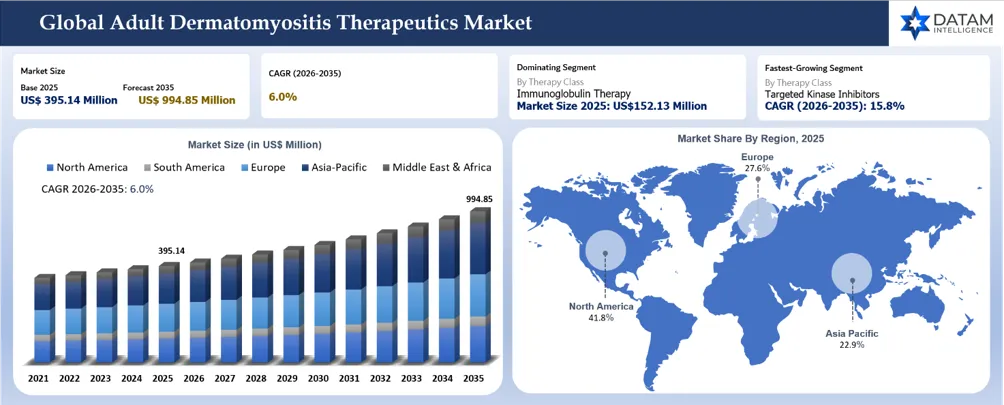
The global adult dermatomyositis therapeutics market reached US$395.14 million in 2025 and is expected to reach US$994.85 million by 2035, growing with a CAGR of 6.0% during the forecast period 2026-2035.
Market growth is being driven by the transition from broad immunosuppression toward more targeted and disease-specific treatment strategies. Corticosteroids, conventional immunosuppressants and intravenous immunoglobulin remain central to treatment, particularly in patients with active muscle disease, severe cutaneous manifestations and multi-organ involvement. However, persistent steroid dependence, heterogeneous treatment response and the burden of long-term immunosuppression are creating demand for therapies with stronger steroid-sparing potential, improved durability and better tolerability.
The treatment landscape entered a new phase in 2026 with the FDA approval of LISRAYA, brepocitinib, for adults with dermatomyositis, establishing the first approved oral therapy specifically indicated for the disease. Competitive development is also expanding across FcRn inhibition, interferon-targeted biologics, JAK and TYK2 pathway modulation and cell-based therapies. These mechanisms are broadening treatment options for refractory patients and increasing competition around multi-domain efficacy across muscle, skin and systemic manifestations.
Future market differentiation will increasingly depend on durable disease control, corticosteroid reduction, management of interstitial lung disease, route-of-administration convenience and biomarker-guided patient selection. Commercial leadership will favor companies that combine strong clinical efficacy with manageable safety, clear sequencing value, payer acceptance and evidence demonstrating sustained improvement in physical function, cutaneous activity and overall quality of life.
Adult Dermatomyositis Therapeutics Market Key Takeaways
- Sustained Market Expansion Through 2035: The Global Adult Dermatomyositis Therapeutics Market was valued at US$395.14 million in 2025 and is projected to reach US$994.85 million by 2035, expanding at a 6.0% CAGR during 2026-2035.
- Immunoglobulin Therapy Maintains Market Leadership: Immunoglobulin therapy generated an estimated US$152.13 million in 2025, supported by established use of IVIG in severe, refractory and multi-organ dermatomyositis and the presence of disease-specific approved therapy such as Octagam 10%.
- Targeted Kinase Inhibitors Become the Primary Growth Engine: Targeted kinase inhibitors are projected to register an estimated 15.8% CAGR during 2026-2035, driven by the transition toward mechanism-specific oral therapies and the 2026 FDA approval of brepocitinib for adults with dermatomyositis.
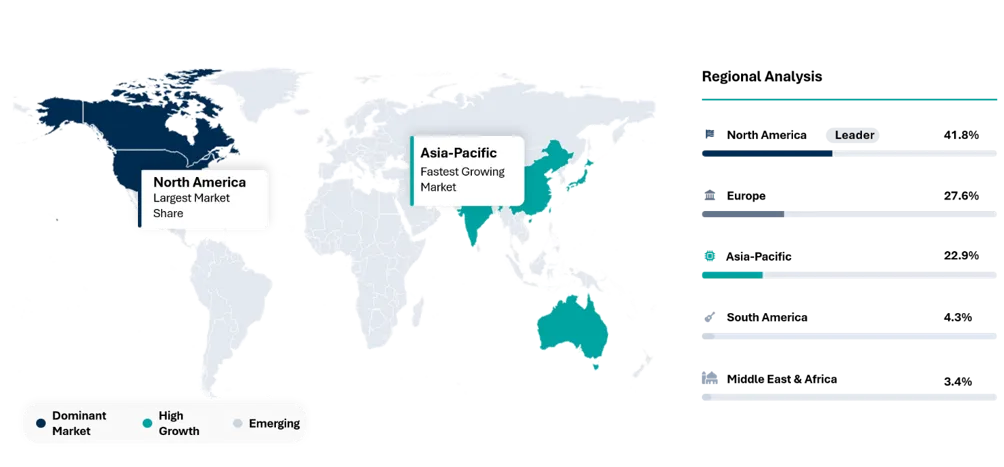
- North America Maintains Regional Dominance: North America accounted for an estimated 41.8% of the global market in 2026, supported by specialist myositis care, established IVIG utilization, favorable access to advanced therapies and early adoption of newly approved targeted treatments.
- Steroid-Sparing Multi-Organ Control Reshapes Competitive Strategy: Future market leadership will depend on durable improvement across muscle, skin and systemic manifestations while reducing corticosteroid exposure and treatment burden. FcRn inhibitors, interferon-targeted therapies, JAK and TYK2 inhibitors and emerging cell-based therapies are expected to materially influence treatment sequencing and portfolio differentiation.
Adult Dermatomyositis Therapeutics Market Industry Trends and Strategic Insights
- The market is transitioning from broad corticosteroid-led immunosuppression toward targeted, steroid-sparing treatment strategies capable of delivering sustained control across muscle, skin and systemic manifestations. Treatment value is increasingly assessed through muscle-strength improvement, cutaneous disease control, functional recovery, corticosteroid reduction and durability of response.
- Intravenous immunoglobulin and conventional immunosuppressants remain important components of current care, particularly in severe and refractory disease. However, targeted oral therapies, biologics and advanced immunomodulators are beginning to reshape treatment sequencing as physicians seek stronger efficacy with lower long-term treatment burden.
- Targeted kinase inhibitors represent the fastest-growing therapy class, supported by the 2026 approval of brepocitinib for adults with dermatomyositis. Commercial adoption will increasingly depend on multi-domain efficacy, long-term safety, monitoring requirements, treatment persistence, reimbursement and physician confidence.
- FcRn inhibitors, interferon-targeted therapies, B-cell modulation and cell-based approaches could materially alter the competitive landscape by addressing refractory disease and potentially delivering deeper immune control. Future differentiation will depend on durable remission, steroid-sparing potential, activity across muscle and cutaneous disease and evidence in high-risk phenotypes.
- Sustainable competitive advantage will require more than short-term symptom improvement. Companies demonstrating durable disease control, convenient administration, manageable safety, strong real-world evidence, biomarker-guided patient selection and clear value in refractory and multi-organ disease will be better positioned to secure specialist adoption, formulary access and premium reimbursement.
Adult Dermatomyositis Therapeutics Market Scope
| Metrics | Details | |
| 2025 Market Size | US$395.14 Million | |
| 2035 Projected Market Size | US$994.85 Million | |
| CAGR (2026-2035) | 6.0% | |
| Largest Market | North America | |
| Fastest Growing Market | Asia-Pacific | |
| By Therapy Class | Corticosteroids, Immunosuppressants, Immunoglobulin Therapy, Targeted Kinase Inhibitors, Biologic Therapies, Antimalarial Agents, Others | |
| By Mechanism of Action | Broad Immunosuppression, JAK and TYK2 Pathway Inhibition, B Cell Depletion, T Cell Modulation, Cytokine Pathway Modulation, Immunoglobulin Mediated Immunomodulation, Others | |
| By Treatment Approach | Monotherapy, Combination Therapy | |
| By Disease Severity | Mild, Moderate, Severe | |
| By Prescription Type | On-label Therapies, Off-label Therapies | |
| By Route of Administration | Oral, Intravenous, Subcutaneous, Intramuscular, Topical | |
| By Patient Age | 18 - 39 Years, 40- 59 Years, 60 Years and Above | |
| By Treatment Stage | Initial Therapy, Steroid Sparing Therapy, Treatment Escalation, Refractory and Relapsed Therapy, Maintenance Therapy | |
| By Care Setting | Hospitals, Rheumatology Clinics, Dermatology Clinics, Neuromuscular Clinics, Infusion Centers, Others | |
| By Distribution Channel | Hospital Pharmacies, Specialty Pharmacies, Retail Pharmacies, Online Pharmacies | |
| By Region | North America | U.S., Canada, Mexico |
| Europe | Germany, UK, France, Spain, Italy, Poland | |
| Asia-Pacific | China, India, Japan, Australia, South Korea, Indonesia, Malaysia, Singapore, Vietnam, Thailand, Philippines, Taiwan | |
| South America | Brazil, Argentina | |
| Middle East and Africa | Israel, Saudi Arabia, UAE, Turkiye, South Africa, Nigeria | |
| Report Insights Covered | Competitive Landscape Analysis, Company Profile Analysis, Market Size, Share, Growth | |
Why does this report matter in 2026?
The global adult dermatomyositis therapeutics market has reached a strategic inflection point in 2026 as treatment moves beyond long-standing dependence on corticosteroids, conventional immunosuppressants and off-label therapies toward disease-targeted innovation. The FDA approval of LISRAYA, brepocitinib, on August 27, 2026 established the first approved oral treatment for adults with dermatomyositis and materially changed the commercial treatment landscape. At the same time, positive Phase 3 ALKIVIA results for efgartigimod in autoimmune myositis demonstrated meaningful improvement across the combined dermatomyositis and immune-mediated necrotizing myopathy population, highlighting continued late-stage pipeline momentum.
A 2026 market assessment is therefore critical for pharmaceutical companies, investors and healthcare stakeholders evaluating how newly approved targeted therapies, emerging biologics and advanced immunomodulatory approaches could reshape prescribing, competitive positioning and treatment sequencing. Commercial opportunities increasingly depend on differentiation across efficacy, steroid-sparing potential, route of administration, muscle and skin outcomes and management of refractory disease. The report provides decision-makers with a structured view of evolving treatment classes, clinical-stage assets, competitive intensity, patient segmentation and market-access dynamics, helping identify where established therapies may lose share and where next-generation products could create defensible growth opportunities.
Adult Dermatomyositis Therapeutics Market White Space & Investment Opportunities
- Earlier Diagnosis and Disease Stratification: Invest in standardized assessment tools, myositis-specific antibody testing, imaging, muscle-strength evaluation and integrated dermatology-rheumatology pathways that identify active disease earlier and distinguish patients by muscle, cutaneous, pulmonary and systemic involvement.
- Therapies for Moderate Active Disease: Develop targeted treatments for patients with persistent muscle weakness, active cutaneous manifestations or functional impairment who require more than corticosteroids but may not yet qualify for advanced rescue therapy. This population represents a meaningful opportunity for steroid-sparing oral and biologic agents with improved long-term tolerability.
- Durable Targeted Immunomodulation: Advance therapies addressing interferon signaling, JAK and TYK2 pathways, B-cell activity, T-cell modulation and other disease-driving immune mechanisms. Significant white space remains for treatments capable of delivering sustained muscle and skin responses while reducing prolonged corticosteroid exposure and broad immunosuppression.
- Refractory Disease Control: Invest in therapies for patients who remain inadequately controlled despite corticosteroids, conventional immunosuppressants or intravenous immunoglobulin. Refractory dermatomyositis continues to create demand for next-generation biologics, targeted small molecules and cell-based therapies capable of achieving deeper and more durable disease control.
- Treatment Sequencing and Combination Evidence: Generate comparative clinical and real-world evidence defining how corticosteroids, methotrexate, mycophenolate mofetil, tacrolimus, intravenous immunoglobulin, rituximab, brepocitinib and emerging targeted therapies should be sequenced or combined according to disease severity, organ involvement, previous treatment response and relapse pattern.
- Interstitial Lung Disease Opportunity: Expand development of therapies specifically addressing dermatomyositis-associated interstitial lung disease, particularly rapidly progressive disease and high-risk autoimmune phenotypes. Effective treatments capable of controlling both systemic dermatomyositis and pulmonary complications could address one of the market’s highest unmet-need segments.
- Cutaneous Disease Innovation: Develop therapies capable of delivering sustained improvement in persistent rash, pruritus, photosensitivity and other skin manifestations that may remain active despite improvement in muscle disease. Greater focus on cutaneous endpoints can create differentiation for dermatology-led treatment strategies.
- Steroid-Sparing Treatment Models: Prioritize therapies that reduce cumulative corticosteroid exposure while maintaining disease control. Products demonstrating meaningful reductions in steroid dependence could generate strong clinical and payer value by lowering treatment-related toxicity and long-term healthcare burden.
- Biomarker-Guided Treatment: Invest in treatment approaches guided by myositis-specific autoantibodies, interferon signatures and other predictive biomarkers. Improved patient selection could strengthen clinical response rates, accelerate development programs and support more individualized treatment pathways.
- Access and Outcome-Based Reimbursement: Expand specialist access, diagnostic capacity and reimbursement across underserved countries while generating real-world evidence linking muscle-strength improvement, skin response, steroid reduction, remission durability and functional recovery with improved quality of life and lower healthcare utilization.
Adult Dermatomyositis Therapeutics Market Future Transformation
The global adult dermatomyositis therapeutics market is expected to transition from broad immunosuppression toward more targeted, biomarker-informed and steroid-sparing treatment models. Recent progress in JAK and TYK2 inhibition, interferon pathway targeting, B-cell modulation, FcRn inhibition and cell-based therapies is expanding the therapeutic architecture beyond corticosteroids, conventional immunosuppressants and intravenous immunoglobulin. Future competition will increasingly depend on the ability to deliver simultaneous improvement across muscle strength, cutaneous activity, functional outcomes and systemic complications while reducing cumulative steroid exposure. Oral targeted therapies may also shift treatment earlier in the pathway by offering greater convenience and potentially reducing dependence on infusion-based approaches for selected patients.
Longer term, market transformation will be shaped by treatment personalization and clearer sequencing across disease phenotypes. Myositis-specific autoantibodies, interferon signatures, interstitial lung disease risk and refractory status could increasingly influence therapeutic selection and clinical trial design. Pharmaceutical developers that generate strong comparative evidence, durable remission data and real-world outcomes across heterogeneous patient groups will be better positioned to differentiate. Integrated rheumatology, dermatology, neurology and pulmonology care pathways will also become more important as commercial value shifts from symptom control toward sustained multi-organ disease management.
Adult Dermatomyositis Therapeutics Market Buyer Decision-Making Criteria
Major Buyer Decision-Making Criteria:
- Magnitude and Durability of Muscle Strength Improvement
- Improvement in Cutaneous Disease Activity and Skin Symptoms
- Speed and Consistency of Clinical Response
- Steroid-Sparing Potential and Reduction in Immunosuppressive Burden
- Effectiveness in Refractory and Relapsed Disease
- Control of Interstitial Lung Disease and Other Systemic Manifestations
- Safety, Tolerability and Long-Term Clinical Evidence
- Effectiveness Across Disease Phenotypes and Severity Levels
- Suitability Across Treatment Stages and Prior-Therapy Profiles
- Route of Administration, Dosing Convenience and Treatment Burden
- Monitoring Requirements, Infection Risk and Drug Interaction Profile
- Durability of Remission and Relapse Risk After Treatment Reduction
- Improvement in Physical Function, Fatigue and Quality of Life
- Biomarker or Autoantibody-Guided Patient Selection Potential
- Pricing, Reimbursement and Overall Healthcare Budget Impact
- Guideline Positioning, Physician Experience and Specialist Acceptance
- Availability Across Rheumatology, Dermatology and Infusion Settings
- Patient-Support Services and Treatment Adherence Programs
Adult Dermatomyositis Therapeutics Market Investment Trends
- Capital allocation is increasing toward targeted immunomodulators, oral small molecules, biologics and advanced cell-based therapies designed to reduce dependence on corticosteroids, conventional immunosuppressants and repeated intravenous immunoglobulin treatment.
- Interferon-pathway, JAK and TYK2 targeted therapies are attracting investment as developers seek faster disease control, steroid-sparing benefit and broader efficacy across muscle, cutaneous and systemic manifestations of adult dermatomyositis.
- Investment is expanding across B-cell modulation, FcRn inhibition, T-cell directed approaches and CAR-T based therapies for refractory disease, reflecting growing interest in deeper immune reset and more durable remission.
- Investors increasingly prioritize assets capable of treating moderate-to-severe disease, refractory patients, individuals with interstitial lung disease and patients inadequately controlled by corticosteroids, immunosuppressants or intravenous immunoglobulin.
- Biomarker investment is focusing on myositis-specific autoantibodies, interferon signatures and disease-activity markers that can improve patient stratification, clinical-trial enrichment and treatment-response prediction.
- Companies are allocating greater resources to comparative studies, patient registries, real-world evidence and health-economic analyses linking muscle-strength improvement, skin response, steroid reduction and functional recovery with lower long-term treatment burden.
- Commercial investment is also shifting toward specialist education, reimbursement access, infusion infrastructure and multidisciplinary care pathways spanning rheumatology, dermatology, neurology and pulmonology.
- Greater funding is being directed toward therapies offering oral administration, lower monitoring burden and improved treatment convenience, as differentiation increasingly depends on clinical durability, safety and reduced long-term immunosuppressive exposure.
Strategic Indicators for Global Adult Dermatomyositis Therapeutics Market
High Regulation Impact
The adult dermatomyositis therapeutics market faces high regulatory scrutiny because therapies are used in a rare, heterogeneous autoimmune disease involving muscle, skin and potentially pulmonary or other systemic manifestations. Regulators increasingly require evidence across clinically meaningful endpoints such as muscle strength, Total Improvement Score, cutaneous disease activity, corticosteroid reduction, functional improvement and durability of response. Safety assessment is particularly important for immunosuppressive, biologic and targeted kinase therapies because of infection risk, laboratory abnormalities and prolonged treatment exposure. The FDA approval of LISRAYA, brepocitinib, in August 2026 as the first approved oral treatment for adults with dermatomyositis demonstrates increasing regulatory acceptance of targeted therapies supported by disease-specific controlled evidence. Developers with strong rare-disease trial capabilities, long-term safety programs and post-marketing surveillance infrastructure will hold an advantage.
High Investment Activity
Investment activity is increasing as adult dermatomyositis shifts from broad immunosuppression toward disease-targeted therapies. Capital is being directed toward JAK and TYK2 pathway inhibitors, interferon-targeted therapies, FcRn inhibition, B-cell modulation and cell-based approaches for refractory disease. Positive Phase 3 ALKIVIA results for efgartigimod in autoimmune myositis during 2026 reinforce investor interest in advanced immunomodulation and steroid-sparing treatment strategies. Development programs are also targeting patients inadequately controlled by corticosteroids, conventional immunosuppressants or intravenous immunoglobulin. Companies able to demonstrate clinically meaningful muscle and skin improvement, corticosteroid reduction, durable disease control and differentiation in difficult-to-treat populations are likely to attract greater development and partnering interest.
High New Drug-Class Adoption
Adult dermatomyositis is entering a new treatment-adoption phase as targeted therapies begin supplementing long-standing corticosteroids, conventional immunosuppressants and intravenous immunoglobulin. Octagam 10% remains an FDA-approved intravenous immunoglobulin treatment specifically indicated for dermatomyositis in adults, while the 2026 approval of oral brepocitinib adds a differentiated targeted oral option. Emerging therapeutic classes including FcRn inhibitors, interferon-targeted agents, additional kinase inhibitors and cellular therapies could further reshape treatment sequencing. Adoption will depend less on mechanism novelty alone and more on measurable gains in muscle function, cutaneous response, steroid-sparing capability, durability, safety and administration convenience. Therapies capable of producing multi-organ benefit while reducing long-term immunosuppressive burden should be positioned most strongly for specialist uptake.
Regional Expansion Opportunity
Regional expansion potential remains significant because access to specialist diagnosis, advanced immunomodulators, intravenous immunoglobulin and multidisciplinary care varies substantially across countries. Commercially mature markets benefit from established rheumatology, dermatology and neuromuscular care pathways, while many emerging markets continue to rely heavily on corticosteroids and conventional immunosuppressants. Expansion opportunities will therefore depend on improving diagnosis, physician awareness, reimbursement and specialist referral pathways alongside securing country-specific regulatory approvals. Oral targeted therapies could improve accessibility in markets where infusion capacity is limited, while biologics and intravenous therapies will require dependable specialty distribution and reimbursement infrastructure. Companies pursuing international expansion should combine local epidemiology, regulatory planning, payer engagement and specialist education with real-world evidence demonstrating clinically meaningful improvements in disease activity and functional outcomes.
Government Policy Support
Government influence on the adult dermatomyositis therapeutics market is primarily delivered through rare-disease incentives, orphan-drug frameworks, expedited regulatory pathways, public reimbursement systems and pharmacovigilance requirements. Both Octagam 10% and brepocitinib have received FDA orphan-drug designation for dermatomyositis, reflecting regulatory recognition of the unmet need associated with this rare autoimmune condition. Policy support can accelerate development, but commercial adoption still depends on national reimbursement decisions, treatment guidelines and specialist access. Governments and public health systems can further influence uptake through funding for rare-disease centers, autoimmune disease registries and multidisciplinary care pathways. Manufacturers should align clinical development with measurable functional outcomes, corticosteroid reduction and long-term disease control to strengthen both regulatory and payer value propositions.
Value-Based Pricing Intelligence
Value-based pricing in adult dermatomyositis will increasingly depend on measurable improvement across muscle strength, skin disease, physical function, corticosteroid exposure and sustained disease control rather than short-term symptom improvement alone. Premium therapies will need to demonstrate incremental value over inexpensive corticosteroids and conventional immunosuppressants as well as established intravenous immunoglobulin. Payers are likely to assess treatment response, duration of benefit, avoidance of relapse, reduction in infusion or hospitalization requirements and ability to decrease long-term steroid-associated complications. Administration route will also influence value perception as oral, subcutaneous and infusion-based therapies generate different treatment and infrastructure costs. Manufacturers combining strong multi-domain efficacy, steroid-sparing benefit, durable response, manageable safety and credible real-world evidence will be better positioned to support premium pricing and favorable reimbursement.
AI Impact Analysis of Adult Dermatomyositis Therapeutics Market
Artificial intelligence is beginning to influence the adult dermatomyositis therapeutics market across diagnosis, patient stratification and clinical development. AI-enabled image analysis can support more standardized assessment of cutaneous lesions, while machine-learning models integrating autoantibody profiles, laboratory markers, imaging and clinical scores may help identify disease phenotypes, predict interstitial lung disease risk and distinguish patients more likely to progress toward refractory disease. In drug development, AI can improve trial-site selection, patient matching and biomarker discovery in a rare disease where recruitment remains difficult. These capabilities can reduce screening inefficiencies and strengthen enrichment strategies for targeted therapies.
Commercially, AI is likely to improve treatment sequencing, real-world evidence generation and post-launch surveillance. Predictive models could help physicians identify patients most likely to respond to targeted kinase inhibitors, biologics, intravenous immunoglobulin or emerging cell-based therapies while flagging patients at higher risk of relapse or treatment-related complications. Pharmaceutical companies can also use AI to analyze longitudinal claims, electronic health records and registry data to demonstrate steroid-sparing benefit, functional improvement and healthcare utilization impact. Competitive advantage will increasingly depend on combining therapeutic innovation with clinically validated digital decision-support tools rather than relying on drug efficacy alone.
Disruption Analysis of Adult Dermatomyositis Therapeutics Market
The adult dermatomyositis therapeutics market is being reshaped by the transition from broad immunosuppression toward targeted and potentially disease-modifying treatment strategies. Traditional reliance on corticosteroids, methotrexate, mycophenolate mofetil and other off-label immunosuppressants is increasingly being challenged by oral kinase inhibitors, intravenous immunoglobulin, FcRn-targeted agents, interferon-pathway therapies and cell-based approaches. The 2026 approval of brepocitinib for adults with dermatomyositis marks an important inflection point by introducing a targeted oral option into a market historically dominated by generalized immune suppression. Competitive differentiation is increasingly based on faster response, multi-organ efficacy, steroid-sparing potential and durable disease control.
Precision treatment is also becoming more influential as autoantibody profiles, interferon signatures, interstitial lung disease status and refractory disease characteristics gain importance in trial design and treatment selection. Emerging biologics and cellular therapies could materially change management for patients inadequately controlled by conventional therapy or intravenous immunoglobulin. These developments may reduce dependence on undifferentiated immunosuppressive approaches while increasing the commercial value of biomarker-supported therapies with strong real-world evidence, convenient administration and measurable improvement across muscle, skin and systemic disease manifestations.
Adult Dermatomyositis Therapeutics Market BCG Matrix: Company Evaluation
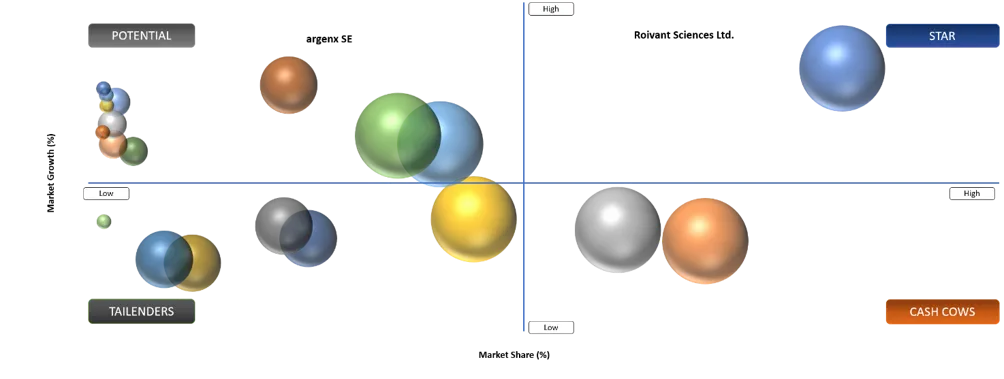
STAR
Roivant Sciences Ltd., Octapharma AG and Pfizer Inc. are positioned in the Star category based on their direct adult dermatomyositis exposure, advanced clinical evidence and ability to influence treatment sequencing. Roivant strengthened its position in 2026 with LISRAYA, brepocitinib, the first FDA-approved oral therapy specifically indicated for adults with dermatomyositis, establishing a new targeted treatment pathway beyond conventional immunosuppression. Octapharma maintains a strong commercial position through Octagam 10%, an FDA-approved intravenous immunoglobulin therapy for adult dermatomyositis and an established option in severe and refractory disease.
Pfizer reinforces the competitive landscape through dazukibart, an anti-interferon beta therapy in late-stage development for dermatomyositis and polymyositis. Future leadership across the Star group will depend on sustained multi-organ efficacy, steroid-sparing benefit, durable disease control, safety, reimbursement and positioning across earlier treatment stages. Competitive advantage will increasingly shift toward therapies capable of addressing both muscle and cutaneous manifestations while reducing long-term corticosteroid and infusion burden.
POTENTIAL
argenx SE, Cabaletta Bio, Inc., Cartesian Therapeutics, Inc., Jade Biosciences, Inc. and Amgen Inc. are positioned in the Potential category based on differentiated mechanisms and expanding clinical development in dermatomyositis. argenx is advancing efgartigimod through FcRn inhibition, while Cabaletta Bio is developing resecabtagene autoleucel as a CAR T-cell approach for refractory myositis. Cartesian Therapeutics is evaluating Descartes-08, an mRNA CAR T-cell therapy designed for outpatient administration without conventional preconditioning.
Jade Biosciences is developing JADE301, an anti-interferon beta monoclonal antibody specifically targeting dermatomyositis biology, while Amgen’s daxdilimab represents another interferon-pathway strategy. Progression toward the Star category will depend on successful pivotal trials, regulatory approvals, durable steroid-sparing efficacy, differentiated safety and the ability to demonstrate benefit across muscle, skin and systemic disease. Commercial scalability, specialist adoption, payer acceptance and evidence in refractory patients will determine which emerging platforms achieve meaningful market penetration.
Adult Dermatomyositis Therapeutics Market Dynamics
Driver Impact Analysis
| Driver | Market Growth Impact (%) | Demand Concentration | Impacted Use Case | Strategic Impact |
Shift From Broad Immunosuppression to Disease-Specific Oral Targeted Therapy | 18.2% | Highest near-term impact in the U.S.; subsequent opportunity across other specialist-driven markets | Adults with active dermatomyositis requiring systemic treatment and alternatives to prolonged broad immunosuppression | The August 2026 FDA approval of LISRAYA, brepocitinib, as the first oral therapy specifically approved for adult dermatomyositis establishes a new branded treatment category and creates scope for earlier adoption of targeted systemic therapy. |
Steroid-Sparing Imperative in Chronic Disease Management | 15.6% | High across rheumatology, dermatology and multidisciplinary myositis centers | Patients requiring long-term disease control, recurrent treatment or reduction of cumulative glucocorticoid exposure | Persistent dependence on corticosteroids and conventional immunosuppressants strengthens demand for therapies capable of maintaining muscle and skin control while reducing chronic immunosuppressive burden and treatment-related complications. Current inflammatory myopathy guidance supports multiple steroid-sparing agents and escalation strategies. |
Therapeutic Escalation in Refractory Multi-Organ Disease | 14.1% | Concentrated in tertiary hospitals, myositis centers and specialist rheumatology networks | Refractory muscle disease, severe cutaneous disease, dysphagia and dermatomyositis-associated interstitial lung disease | Uncontrolled multi-organ disease expands utilization of IVIG, rituximab, calcineurin inhibitors, mycophenolate and newer targeted agents. Treatment guidance specifically supports escalation in refractory myositis and inflammatory-myopathy-associated ILD, creating a high-value advanced-treatment population. |
Expansion of Mechanism-Differentiated Pipeline Therapies | 12.7% | Strongest around specialty clinical-trial networks in the U.S. and Europe with increasing participation in Asia | Patients with inadequate response to conventional immunosuppressants or IVIG and candidates for advanced biologic or targeted therapy | Development across interferon signaling, FcRn modulation, B-cell pathways, JAK and TYK2 inhibition and cellular therapies is widening future treatment choice. Greater mechanism diversity should intensify competition around durable response, steroid reduction, multi-organ efficacy and administration convenience rather than mechanism novelty alone. |
Driver: Shift From Broad Immunosuppression to Disease-Specific Oral Targeted Therapy
Adult dermatomyositis treatment is moving beyond long-standing dependence on corticosteroids and broad immunosuppressants toward disease-specific targeted therapy. A major inflection point occurred in August 2026 when the FDA approved LISRAYA, brepocitinib, for adults with dermatomyositis, making it the first FDA-approved oral treatment specifically indicated for the disease. The shift is commercially important because oral targeted therapy offers a differentiated alternative to prolonged corticosteroid exposure, conventional immunosuppressants and infusion-based approaches while potentially improving treatment convenience for appropriate patients.
Clinical evidence is also strengthening adoption potential. In the 2025 Phase 3 VALOR study, brepocitinib 30 mg achieved a mean Total Improvement Score of 46.5 at Week 52 versus 31.2 with placebo. The study enrolled 241 adults across 90 sites globally, providing a substantial disease-specific evidence base for a rare autoimmune condition. As physicians gain access to targeted oral therapy, treatment decisions are expected to place greater emphasis on multi-domain efficacy, steroid-sparing benefit, durability and administration convenience. This transition is likely to support stronger uptake of mechanism-specific therapies and accelerate competitive investment in targeted treatment development.
Restraint Impact Analysis
| Restraint | Drag on Market Growth (%) | Primary Impact Area | Impacted Use Case | Strategic Impact |
Boxed Safety Warnings Constrain Targeted Oral Therapy Eligibility | 13.8% | Prescribing confidence, patient selection and long-term monitoring | Adults considered for JAK and TYK2 pathway therapy, particularly patients with infection, malignancy, cardiovascular or thrombotic risk factors | LISRAYA carries boxed warnings covering serious infections, mortality, malignancies, major cardiovascular events and thrombosis. Risk screening and continued monitoring can narrow the addressable population and slow adoption despite the convenience of oral targeted treatment. |
Multi-Organ Heterogeneity Weakens Uniform Treatment Response | 12.6% | Clinical positioning, trial design and treatment sequencing | Patients with different combinations of muscle, cutaneous, pulmonary and systemic disease | Dermatomyositis presents heterogeneous and organ-dominant phenotypes, while skin activity may remain uncontrolled even after muscle disease improves. Variable response across manifestations makes single-treatment positioning difficult and increases reliance on individualized combination regimens. |
High Treatment Burden Limits Advanced Therapy Persistence | 11.4% | Treatment access, adherence and healthcare resource utilization | Severe or refractory patients requiring IVIG, combination immunosuppression or repeated specialist management | IVIG can provide meaningful benefit in adult dermatomyositis but repeated high-dose infusions create cost, supply and logistical constraints. Specialist supervision and chronic multi-agent treatment further increase the burden for patients requiring sustained disease control. |
Limited Comparative Evidence Complicates Therapy Sequencing | 10.7% | Guideline adoption, payer assessment and physician decision-making | Patients progressing beyond corticosteroids and conventional steroid-sparing therapies | Low disease prevalence, phenotype diversity and historically limited randomized evidence make direct comparisons across targeted drugs, biologics, IVIG and conventional therapies difficult. Treatment decisions therefore continue to rely partly on phenotype, specialist experience and smaller evidence sets, slowing standardized adoption of newer therapies. |
Restraint: Boxed Safety Warnings Constrain Targeted Oral Therapy Eligibility
The expansion of targeted oral therapy in adult dermatomyositis is tempered by clinically significant safety and monitoring requirements associated with JAK and TYK2 pathway inhibition. LISRAYA, brepocitinib, approved by the FDA in August 2026, carries boxed warnings for serious infections, mortality, malignancies, major adverse cardiovascular events and thrombosis. Prescribers must evaluate tuberculosis, viral hepatitis, blood counts, hepatic and renal function and immunization status before treatment initiation, while continued laboratory and clinical monitoring can increase treatment complexity. Such requirements may reduce physician willingness to use targeted oral therapy in patients with substantial cardiovascular, thrombotic, infectious or malignancy risk.
Safety considerations are commercially important because they can narrow the immediately addressable patient population and influence payer authorization, treatment sequencing and long-term persistence. In the Phase 3 program supporting approval, 241 adults with dermatomyositis were evaluated over 52 weeks. Treatment discontinuation because of adverse reactions occurred in 6% of patients receiving LISRAYA 30 mg versus 11% receiving placebo, indicating manageable overall discontinuation but not eliminating the need for risk stratification. Competitive advantage will therefore favor therapies combining targeted efficacy with simpler monitoring, broader eligibility and differentiated long-term safety.
Adult Dermatomyositis Therapeutics Market Segment Analysis
The global adult dermatomyositis therapeutics market is segmented based on the therapy class, mechanism of action, treatment approach, disease severity, prescription type, route of administration, patient age, treatment stage, care setting, distribution channel and region.
Immunoglobulin Therapy Maintains Market Leadership as Targeted Kinase Inhibitors Drive the Next Phase of Growth
The global adult dermatomyositis therapeutics market is becoming increasingly differentiated as treatment moves from broad immunosuppression toward disease-specific, targeted and steroid-sparing approaches. Immunoglobulin therapy represented the dominant therapy-class segment in 2025, with an estimated market value of US$152.13 million. Its leadership is supported by established use in severe, refractory and multi-organ disease, particularly among patients who remain inadequately controlled with corticosteroids or conventional immunosuppressants. Revenue contribution is also strengthened by comparatively high treatment costs, repeated infusion cycles and specialist administration requirements. Demand remains concentrated across rheumatology centers, dermatology clinics, neuromuscular centers and multidisciplinary myositis programs managing patients with significant muscle weakness, persistent cutaneous disease, dysphagia or other systemic complications.
Targeted kinase inhibitors are expected to be the fastest-growing segment during 2026-2035, expanding at an estimated 15.8% CAGR. Growth is being driven by increasing demand for mechanism-specific oral treatment, reduced corticosteroid dependence and therapies capable of addressing both muscle and cutaneous disease activity. The 2026 approval of brepocitinib materially strengthens this segment by establishing a disease-specific oral targeted treatment pathway. Over the forecast period, competitive positioning will increasingly depend on multi-organ efficacy, response durability, steroid-sparing potential, safety, dosing convenience and the ability to secure earlier placement within evolving treatment sequencing strategies.
Adult Dermatomyositis Therapeutics Market Geographical Penetration
U.S. Adult Dermatomyositis Therapeutics Market Landscape
The U.S. adult dermatomyositis therapeutics market is entering a more differentiated treatment phase, supported by disease-specific approvals and growing use of targeted immunomodulation. Historically, treatment relied heavily on corticosteroids, conventional immunosuppressants and off-label therapies. Market structure changed materially in August 2026 when LISRAYA, brepocitinib, became the first FDA-approved oral therapy specifically indicated for adults with dermatomyositis. The pivotal program randomized 241 adults over 52 weeks, providing one of the more substantial disease-specific clinical datasets in this rare autoimmune condition. This strengthens the U.S. position for branded therapy adoption across rheumatology, dermatology and specialist myositis centers.
Epidemiology also supports a meaningful treated population despite the disease’s rarity. A U.S. population-based study estimated dermatomyositis prevalence at 13 cases per 100,000 people, corresponding to approximately 34,061 individuals nationwide, while annual incidence was estimated at 1.1 cases per 100,000 person-years. Commercial growth will increasingly depend on earlier diagnosis, steroid-sparing efficacy, control of muscle and cutaneous manifestations and payer acceptance of premium targeted therapies. Specialist concentration, established IVIG infrastructure and an expanding pipeline position the U.S. as a key market for treatment sequencing innovation and real-world evidence generation.
Japan Adult Dermatomyositis Therapeutics Market Outlook
Japan’s adult dermatomyositis therapeutics market is positioned for gradual transition from corticosteroids and conventional immunosuppressants toward targeted biologics and mechanism-specific therapies. Treatment demand is supported by established rheumatology, dermatology and neuromuscular care infrastructure, while difficult-to-treat patients with muscle weakness, persistent cutaneous disease and interstitial lung involvement continue to require treatment escalation. Japan also has a meaningful diagnosed inflammatory myopathy population; a nationwide registry historically identified approximately 17,000 polymyositis and dermatomyositis cases, highlighting an established clinical base for specialist treatment and long-term disease management.
Pipeline activity is strengthening Japan’s future commercial outlook. Pfizer’s Phase 3 extension study of dazukibart in idiopathic inflammatory myopathies, including dermatomyositis, was registered in Japan in April 2025, began enrollment in August 2025 and has a target enrollment of 211 participants. Japan is also participating in the Phase 3 JASMINE program evaluating subcutaneous anifrolumab in adults with dermatomyositis and polymyositis, with registry activity continuing into 2026. Future market expansion will depend on regulatory acceptance of targeted therapies, reimbursement, steroid-sparing efficacy and differentiated outcomes across muscle, skin and pulmonary manifestations.
Adult Dermatomyositis Therapeutics Market Competitive Landscape
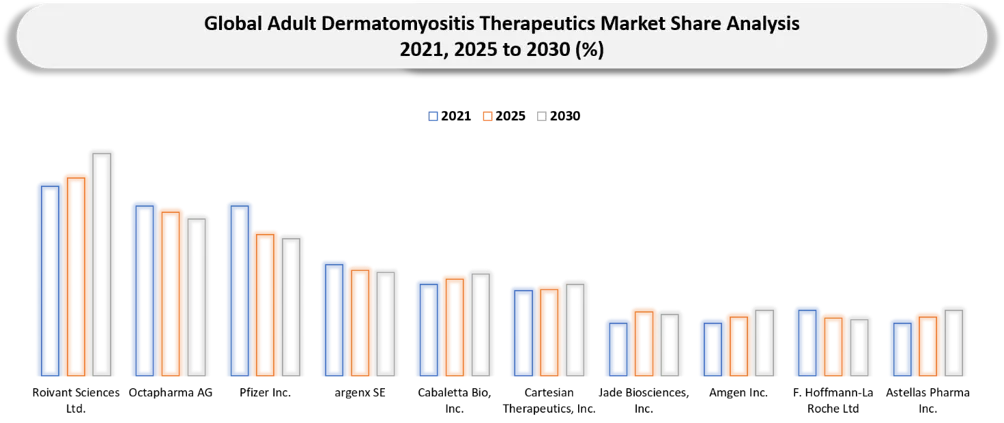
- The global adult dermatomyositis therapeutics market is transitioning from a relatively fragmented treatment environment toward a more innovation-led competitive structure. Established players retain strong positions through intravenous immunoglobulin, conventional immunosuppressants and broader immunology portfolios, while newer biotechnology companies are competing through disease-specific oral therapies, interferon-targeted biologics, FcRn inhibition and cell-based approaches. Roivant Sciences strengthened the commercial landscape in 2026 with LISRAYA, brepocitinib, while Octapharma continues to hold an important position through Octagam 10%. Pfizer, argenx, Amgen, Cabaletta Bio, Cartesian Therapeutics and Jade Biosciences are expanding competition across targeted and advanced immunomodulatory mechanisms.
- Future competitive advantage will depend less on portfolio breadth alone and more on differentiated clinical value across muscle strength, cutaneous response, steroid-sparing potential, durability and multi-organ disease control. Companies able to generate strong evidence in refractory and treatment-experienced populations should gain greater strategic relevance. Partnerships, licensing activity and pipeline acceleration are also expected to intensify as larger pharmaceutical companies seek access to differentiated mechanisms. Market leadership will increasingly be shaped by disease-specific efficacy, safety, administration convenience, reimbursement access and the ability to secure favorable positioning within evolving treatment pathways
Key Companies of Adult Dermatomyositis Therapeutics Market
- Roivant Sciences Ltd. (United Kingdom)
- Octapharma AG (Switzerland)
- Pfizer Inc. (United States)
- argenx SE (Netherlands)
- Cabaletta Bio, Inc. (United States)
- Cartesian Therapeutics, Inc. (United States)
- Jade Biosciences, Inc. (United States)
- Amgen Inc. (United States)
- F. Hoffmann-La Roche Ltd (Switzerland)
- Astellas Pharma Inc. (Japan)
- Novartis AG (Switzerland)
- Bristol-Myers Squibb Company (United States)
- Takeda Pharmaceutical Company Limited (Japan)
- CSL Limited (Australia)
- Grifols, S.A. (Spain)
Adult Dermatomyositis Therapeutics Market Major Pain Points
- Delayed Diagnosis and Fragmented Specialist Referral: Adult dermatomyositis can present with overlapping muscle, cutaneous and systemic symptoms that may initially be attributed to other autoimmune, dermatologic or neuromuscular conditions. Limited access to rheumatologists, dermatologists, neurologists and myositis specialists can delay diagnosis, treatment escalation and multidisciplinary management.
- Heterogeneous Multi-Organ Disease Presentation: Patients may experience different combinations of muscle weakness, cutaneous disease, dysphagia, fatigue and interstitial lung disease. Such heterogeneity complicates treatment selection, clinical trial design and assessment of therapeutic value across different disease phenotypes.
- Persistent Steroid Dependence and Long Term Toxicity: Corticosteroids remain a central component of treatment, but prolonged exposure creates risks including metabolic complications, osteoporosis, infection and other treatment related morbidity. Reducing steroid dependence without losing disease control remains a major unmet need.
- Limited Options for Refractory and Relapsed Disease: A proportion of patients remain inadequately controlled despite corticosteroids, conventional immunosuppressants or intravenous immunoglobulin. Greater availability of differentiated targeted therapies, biologics and advanced immune-modifying approaches is required for difficult-to-treat disease.
- Inconsistent Response Across Muscle and Skin Manifestations: Improvement in muscle disease does not always translate into equivalent control of cutaneous activity and vice versa. Therapies capable of producing balanced multi domain efficacy remain limited, complicating treatment sequencing and product differentiation.
- Safety and Monitoring Burden of Advanced Therapies: Targeted kinase inhibitors, biologics and immunosuppressive regimens may require laboratory surveillance, infection screening and continued specialist monitoring. Safety concerns can narrow patient eligibility, increase treatment burden and influence long-term adherence.
- Limited Head-to-Head and Real-World Comparative Evidence: Direct comparisons across IVIG, conventional immunosuppressants, biologics and newer targeted therapies remain limited. Evidence gaps around steroid sparing benefit, durability, relapse prevention, multi organ efficacy and long term outcomes complicate physician and payer decision making.
- Complex Pricing, Reimbursement and Access Pathways: Premium targeted therapies, IVIG and advanced biologics face prior authorization, reimbursement and specialist access barriers. Uneven healthcare infrastructure and payer coverage across countries can significantly limit adoption despite clinical need.
Adult Dermatomyositis Therapeutics Market Recent Developments
- September 2026: Jade Biosciences strengthened the dermatomyositis pipeline with new preclinical data for JADE301, a half life extended anti IFN beta monoclonal antibody designed for durable pathway suppression. The program supports a differentiated biologic strategy targeting interferon driven disease biology and is positioned to enter Phase 1 development.
- August 2026: Roivant Sciences and Priovant Therapeutics secured FDA approval for LISRAYA, brepocitinib, 30 mg tablets for adults with dermatomyositis. The approval represents a major market inflection point by establishing the first FDA approved oral therapy specifically for adult dermatomyositis and expanding treatment beyond conventional immunosuppression and infusion based options.
- August 2026: Roivant Sciences reported skin focused Phase 3 VALOR results showing functional skin remission in 43.5% of brepocitinib treated patients with moderate to severe baseline cutaneous disease compared with 20.8% for placebo at Week 52. The findings strengthen the product’s positioning across both muscular and cutaneous manifestations.
- August 2026: argenx announced positive topline Phase 3 ALKIVIA results for efgartigimod in adults with autoimmune myositis. The combined dermatomyositis and immune mediated necrotizing myopathy population met the primary endpoint, reinforcing FcRn inhibition as a potentially important emerging mechanism in inflammatory myopathy treatment.
- April 2026: Cartesian Therapeutics initiated the Phase 2 TRITON study of Descartes 08 in patients with moderate to severe multi refractory dermatomyositis and antisynthetase syndrome. The outpatient mRNA CAR T cell approach, designed without preconditioning chemotherapy, introduces a differentiated cellular therapy model for difficult to treat autoimmune myositis.
- January 2026: Cabaletta Bio advanced resecabtagene autoleucel, rese cel, through an FDA aligned registrational pathway for dermatomyositis and antisynthetase syndrome. The planned registrational cohort of approximately 17 patients marks an important step toward evaluating whether CAR T cell mediated immune reset can deliver durable control in refractory disease.
Analyst View / Opinion on Adult Dermatomyositis Therapeutics Market
- The market is transitioning from broad corticosteroid and conventional immunosuppressive management toward disease-specific, steroid-sparing therapies capable of delivering measurable improvement across muscle strength, cutaneous disease and systemic manifestations.
- LISRAYA, brepocitinib, is accelerating targeted oral therapy adoption following its 2026 FDA approval for adults with dermatomyositis, while Octagam 10% remains an important approved IVIG option for patients requiring advanced immunomodulatory treatment.
- Treatment selection will increasingly depend on disease severity, muscle and skin involvement, interstitial lung disease status, myositis-specific autoantibody profile, prior treatment response, steroid dependence, safety risk and route-of-administration preference.
- FcRn inhibitors, interferon-targeted biologics, B-cell modulation, JAK and TYK2 pathway inhibitors and emerging cell-based therapies could materially diversify treatment beyond corticosteroids, conventional immunosuppressants and IVIG.
- Sustainable market leadership will require evidence demonstrating durable multi-organ disease control, meaningful steroid reduction, lower relapse risk, improved physical function and manageable long-term safety across refractory and difficult-to-treat populations.
- Commercial success will depend on specialist education, biomarker-supported patient stratification, treatment-sequencing evidence, payer-focused value demonstration, reliable specialty distribution and real-world data showing reduced treatment burden and improved quality of life.
Adult Dermatomyositis Therapeutics Market Target Audience
| INDUSTRY | WHO SHOULD BUY THIS REPORT? | REASON TO BUY THIS REPORT |
| Pharmaceutical Companies | Companies marketing or developing corticosteroids, immunosuppressants, IVIG, biologics and targeted oral therapies | Assess market potential, treatment-class positioning, therapy sequencing, commercialization opportunities and competitive intensity |
| Biotechnology Companies | Developers of JAK and TYK2 inhibitors, interferon-targeted therapies, FcRn inhibitors, monoclonal antibodies and cell therapies | Identify pipeline white spaces, high-value mechanisms, refractory patient opportunities and differentiated clinical positioning |
| Rare Disease Drug Developers | Companies focused on orphan indications, autoimmune disorders and inflammatory myopathies | Evaluate addressable patient populations, orphan-drug opportunities, unmet needs and development risk |
| Plasma Derived Therapy Companies | IVIG manufacturers, plasma fractionators and immunoglobulin portfolio owners | Assess IVIG utilization, treatment persistence, competitive positioning and potential displacement by emerging targeted therapies |
| Rheumatology and Myositis Centers | Rheumatologists, inflammatory myopathy specialists and multidisciplinary autoimmune disease centers | Understand treatment evolution, steroid-sparing strategies, refractory disease management and adoption of targeted therapies |
| Diagnostic and Biomarker Companies | Myositis autoantibody testing companies, molecular diagnostics firms and biomarker developers | Identify opportunities in disease stratification, treatment-response prediction, interferon signatures and risk assessment |
| Payers and Market Access Organizations | Health insurers, pharmacy benefit managers, reimbursement bodies and HTA organizations | Evaluate treatment eligibility, comparative value, budget impact, reimbursement positioning and prior-authorization requirements |
| Clinical Research Organizations | CROs, rare-disease trial specialists and site-management organizations | Assess clinical-trial activity, recruitment complexity, endpoint requirements and upcoming development programs |
| Investors and Financial Institutions | Venture capital firms, private equity firms, institutional investors and healthcare investment banks | Evaluate pipeline maturity, clinical risk, licensing potential, acquisition prospects and asset value |
| Business Development and Licensing Teams | Pharmaceutical licensing, corporate development and strategic alliance teams | Identify licensing candidates, partnership opportunities, pipeline gaps, acquisition targets and mechanism-level white spaces |
Why Choose DATAM?
- Data-Driven Insights: Access granular intelligence on the Global Adult Dermatomyositis Therapeutics Market covering market size, therapy-class shares, diagnosed and treated populations, disease phenotype, treatment stage, route of administration, IVIG utilization, targeted therapy adoption, clinical pipelines, competitive positioning and country-level access dynamics, supported by primary interviews with rheumatologists, dermatologists, industry executives and market-access stakeholders.
- Post-Purchase Support and Expert Analyst Consultations: Engage directly with our healthcare analysts for customized guidance on patient stratification, treatment sequencing, steroid-sparing strategies, refractory disease management, portfolio positioning, market entry, competitor benchmarking, reimbursement planning and commercialization strategies across adult dermatomyositis.
- White Papers and Case Studies: Receive periodic insights on adult dermatomyositis treatment innovation, regulatory developments, targeted kinase inhibitors, interferon-pathway therapies, FcRn inhibitors, IVIG, biologics, cell-based therapies, biomarker strategies and evolving specialist prescribing patterns.
- Annual Updates on Purchased Reports: Stay informed through annual updates covering regulatory approvals, clinical readouts, pipeline progression, label expansions, licensing agreements, pricing developments, reimbursement changes and competitive shifts. Terms and conditions apply.
- Specialized Focus on Emerging Markets: Gain country-specific intelligence on diagnosed and treated populations, specialist availability, myositis-center access, IVIG penetration, targeted therapy adoption, reimbursement conditions and commercialization opportunities across high-growth emerging markets.
- Value of DataM Reports: Obtain tailored intelligence addressing specific business questions related to refractory and steroid-dependent patients, multi-organ disease, treatment response, relapse, therapy differentiation, biomarker-guided treatment, long-term treatment burden, pipeline disruption, market access and investment priorities beyond generic databases.
What DATAM Uniquely Provides
- In-depth segmentation of the global adult dermatomyositis therapeutics market by therapy class, mechanism of action, treatment approach, disease severity, prescription type, route of administration, patient age, treatment stage, care setting, distribution channel and country-level market dynamics.
- Competitive assessment of leading adult dermatomyositis companies across muscle-strength improvement, cutaneous response, steroid-sparing potential, multi-organ efficacy, response durability, safety profile, mechanism of action, dosing convenience, pipeline maturity and commercialization strategy.
- Comprehensive analysis of diagnosed and treatment-eligible adults, moderate-to-severe patients, refractory and relapsed populations, steroid-dependent patients, interstitial lung disease-associated cases, prior-treatment status, myositis-specific autoantibody profiles, unmet clinical needs and access disparities.
- Actionable intelligence on pharmaceutical pricing, reimbursement, regulatory pathways, treatment sequencing, physician adoption, prior authorization, specialist referral patterns, patient-support programs, licensing activity, strategic partnerships and investment opportunities.
- Analyst forecasts highlighting high-growth therapy classes, commercially attractive patient groups, country-level expansion opportunities and emerging competitive threats across immunoglobulin therapy, targeted kinase inhibitors, biologics, interferon-pathway therapies, FcRn inhibitors, conventional immunosuppressants and emerging cell-based treatment approaches.


























































