


Japan Strengthens Domestic Counter-Drone Capabilities
Japan's defense sector is entering a new phase of technological transformation as major contractors accelerate the development of low-cost interceptor drones designed to counter emerging aerial threats. Recent industry developments indicate a growing emphasis on scalable, rapidly deployable drone defense systems capable of protecting military assets, critical infrastructure, and strategic facilities.
The shift comes as defense planners worldwide increasingly recognize unmanned aerial systems as a critical component of modern warfare. Conflicts in Europe and the Middle East have demonstrated the effectiveness of low-cost drones in surveillance, electronic warfare, and precision strike missions, prompting governments to prioritize counter-drone investments.
Explore Anti Drone Market research analysis report.
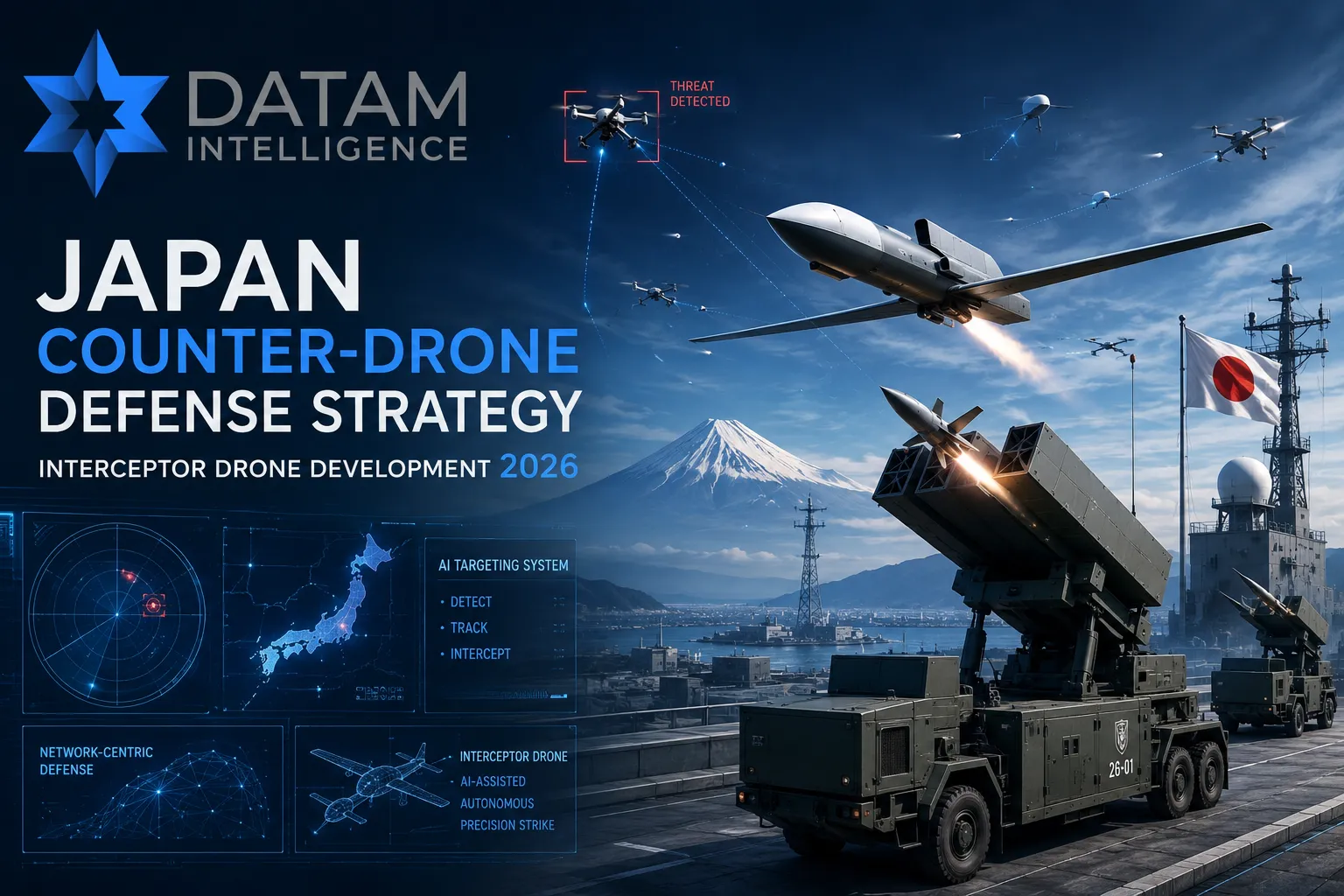
Rising Demand for Counter-UAS Technologies
The expansion of interceptor drone programs aligns with broader trends across the global defense industry. Governments are allocating larger budgets toward counter-UAS solutions, including autonomous interceptors, AI-powered threat detection systems, electronic warfare technologies, and integrated air defense networks.
Japan's latest initiatives support its long-term defense modernization strategy, which emphasizes domestic manufacturing capacity, advanced military technologies, and reduced dependence on foreign defense suppliers. Industry observers expect future procurement programs to focus heavily on autonomous systems capable of operating alongside manned platforms and next-generation fighter aircraft.
Strategic Opportunities for Defense Electronics and Autonomous Weapons Markets
The development of interceptor drones is expected to create significant opportunities across multiple defense sectors, including:
- Defense Electronics
- Autonomous Weapons Systems
- Military Wearables
- AI-enabled Battlefield Systems
- Aerospace Components
- Advanced Radar and Sensor Technologies
- Command and Control Platforms
Analysts note that the integration of artificial intelligence, sensor fusion, and autonomous decision-making capabilities is becoming increasingly important for next-generation counter-drone solutions. Recent defense technology research highlights growing industry interest in multi-layered drone detection and interception architectures capable of responding to both individual drones and coordinated drone swarms.
Implications for the Global Military Drone Market
Japan's growing investment in indigenous drone technologies is expected to strengthen the country's position within the rapidly expanding global military UAV ecosystem. The focus on domestically produced interceptor drones could also support future export opportunities as allied nations seek affordable and scalable counter-drone capabilities.
In parallel, Japan continues to advance collaborative defense programs, including next-generation combat aircraft initiatives and broader investments in AI, cybersecurity, and aerospace innovation. These developments reinforce the country's ambition to become a leading defense technology hub in the Asia-Pacific region.
Analyst View
DataM Intelligence analysts believe Japan's accelerated investment in interceptor drone technologies represents a significant inflection point for the Asia-Pacific defense market. As military organizations increasingly prioritize protection against low-cost aerial threats, demand for autonomous counter-drone platforms, defense electronics, and AI-enabled battlefield systems is expected to grow substantially through 2035. Companies capable of delivering cost-effective, scalable, and interoperable counter-UAS solutions are likely to benefit from expanding procurement opportunities across both domestic and international defense markets.
Why is Japan investing in interceptor drones?
Japan is investing in interceptor drones to defend against emerging drone threats, strengthen coastal security, and modernize its military capabilities. These systems provide a cost-effective way to neutralize hostile UAVs and support Japan's broader defense modernization strategy.
What are counter-drone systems?
Counter-drone systems are technologies that detect, track, identify, and neutralize unauthorized drones using sensors, artificial intelligence, electronic warfare tools, and interceptor platforms.
How will Japan's defense drone market grow?
Japan's defense drone market is expected to grow at an estimated 11.4% CAGR through 2033, supported by increased defense spending, autonomous drone adoption, and expanding counter-drone programs.
What are interceptor drones?
Interceptor drones are unmanned aerial vehicles designed to detect, track, and neutralize hostile drones. They serve as a key component of modern counter-UAS defense systems and are increasingly being adopted by military organizations to address emerging drone threats.
News source: https://asia.nikkei.com/business/aerospace-defense-industries/japan-s-top-defense-contractor-branches-out-into-small-interceptor-drones