


Imagine waking up with a pounding headache that escalates into confusion and blurred vision. What if this signals something far more dangerous, a shift in your brain tissue that could turn fatal without warning? Brain herniation is a serious medical emergency where parts of the brain move from their usual spots due to swelling and pressure buildup inside the skull.
This condition leaves little room for error, as the skull's rigid structure provides no space for expansion. In this blog, we'll delve into what brain herniation really means, its types, the triggers that cause it, how to recognize the signs, and the treatment options available. Whether you're curious about brain health or dealing with a related concern, understanding these basics could be life-saving.
What Exactly is Brain Herniation?
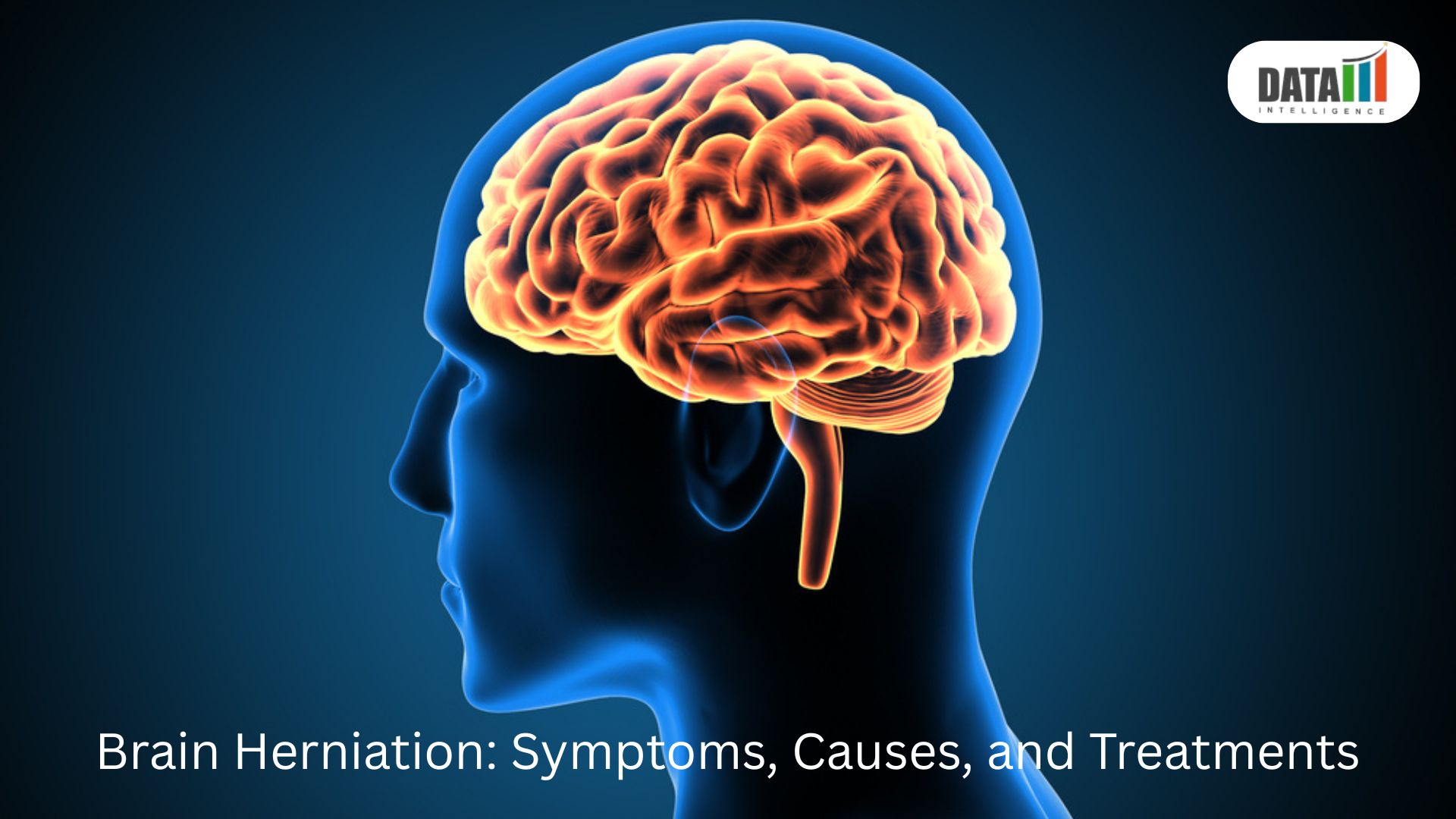
Brain herniation occurs when brain tissue, blood, and cerebrospinal fluid shift out of their normal position inside the skull. This displacement occurs due to increased pressure, often caused by swelling. The brain is divided into compartments by tough membranes, and when pressure builds in one area, it forces tissue into another spot where it doesn't belong.
This isn't just a minor issue; it's a life-threatening event that can compress vital structures like the brainstem, which controls breathing and heart rate. If not addressed quickly, it can lead to permanent damage or even death. Think of it as the brain being squeezed in a tight box with no escape, pushing parts through small openings and disrupting normal function.
The Different Types of Brain Herniation
Brain herniation isn't one-size-fits-all; it comes in several forms based on which part of the brain shifts and where it moves. Understanding these types helps in recognising the severity of the condition.
- Subfalcine Herniation: This is the most common type, where brain tissue slides under the falx cerebri, a membrane dividing the brain's two halves. It often causes a midline shift but may not exhibit severe symptoms immediately.
- Transtentorial or Uncal Herniation: Here, the uncus, a part of the temporal lobe, shifts downward. This can occur in a descending direction, moving into the posterior fossa, or in an ascending direction, where the cerebellum and brainstem push upward through a notch in the tentorium cerebelli. It's the second most common and can quickly affect consciousness and breathing.
- Central Herniation: Both temporal lobes or central brain areas get squeezed downward. This is often a late-stage issue with severe impacts on vital functions.
- Tonsillar or Cerebellar Tonsillar Herniation: The cerebellar tonsils at the brain's base push through the foramen magnum, the opening where the spinal cord connects. This type is hazardous as it compresses the brainstem, potentially leading to complications affecting the heart and breathing.
- Upward Herniation: Less common, this occurs when pressure from below forces brain tissue upward, often due to bleeding in the skull's back area.
- Each type varies in its effect on the body, but all stem from the same core problem: excessive pressure forcing unnatural movement.
What Causes Brain Herniation to Happen?
Brain herniation doesn't occur out of nowhere; it's usually triggered by conditions that cause swelling or pressure buildup in the brain. Common culprits include head injuries from accidents, falls, or sports, which can lead to immediate swelling. Strokes are another major cause, where interruptions or bursts in blood flow create pressure.
Brain tumours, whether benign or malignant, grow and take up space, squeezing surrounding tissue. Bleeding in the brain, like from a hematoma or aneurysm, adds to the pressure by filling areas with blood.
Infections like meningitis or encephalitis, hydrocephalus (excess brain fluid), liver disease, brain defects, and complications from brain surgery can all contribute to brain tissue displacement. Risk factors such as uncontrolled high blood pressure, blood-clotting disorders, or a history of brain procedures increase vulnerability. Essentially, any condition that causes brain swelling or increased intracranial pressure can lead to herniation.
How Can You Spot the Symptoms Early?
Recognizing brain herniation symptoms can be challenging because they vary depending on the type and cause, but early detection is crucial. Initial signs often mimic other issues, such as a severe headache that won't subside, nausea or vomiting without an apparent cause, and blurry or double vision. Being aware of these signs can empower you to take action early.
As pressure mounts, things worsen: confusion, disorientation, or sudden changes in alertness signal trouble. You might notice unequal pupil sizes, where one doesn't react to light, or weakness on one side of the body. Seizures, difficulty breathing, abnormal postures, such as an arched back with stiff limbs, or even frequent urination can occur.
In advanced stages, symptoms escalate to loss of consciousness, hyperventilation turning into respiratory arrest, or drops in heart rate and blood pressure. For children or infants, signs might differ slightly, but any erratic behaviour after a head injury warrants attention. If someone with a known brain condition shows decreased alertness or acts "off," it's a red flag. Remember, symptoms can start slowly with tumours or erupt quickly after trauma, so don't ignore them.
How is Brain Herniation Diagnosed?
Diagnosis begins with a brief medical history and neurological examination to assess eye responses, muscle strength, and consciousness levels. Doctors look for displaced brain structures to identify the type.
Imaging plays a crucial role in diagnosis: CT scans or MRIs reveal shifts in tissue, masses such as tumours, or bleeding. These tests help identify complications such as fluid buildup or high pressure in blood vessels. This advanced technology provides reassurance in the medical process.
The goal is speedy assessment because every minute counts. If you suspect a herniation, especially after a head injury or with escalating symptoms, head to the emergency room or call for help immediately. Delays can turn reversible damage into permanent issues.
Effective Treatments to Combat Brain Herniation
Treating brain herniation focuses on a single primary goal: rapidly reducing intracranial pressure to prevent further harm. A mix of approaches is often used, tailored to the cause.
Medications lead the charge: Osmotic therapy with drugs like mannitol or hypertonic saline draws fluid out of brain tissue. Diuretics help remove excess water, while corticosteroids reduce inflammation. For quick relief, hyperventilation temporarily lowers blood flow and pressure.
Surgery is crucial in many cases: Options include removing tumours, blood clots, or abscesses. Ventriculostomy involves placing a drain to remove cerebrospinal fluid. In severe swelling, a craniectomy or decompressive hemicraniectomy removes part of the skull to give the brain more room.
Supportive care rounds it out: Mechanical ventilation for breathing issues, sedatives for pain, antibiotics to fight infections, and even therapeutic hypothermia to cool the body and ease swelling. An induced coma might be used to cut brain blood flow temporarily. Post-treatment, rehabilitation, such as physical, occupational, or speech therapy, aids recovery, which can take weeks or months.
Prognosis, Complications, and Prevention Tips
The outlook for brain herniation hinges on factors like age, herniation type, severity, and how quickly treatment starts. With prompt care, survival is possible, but delays can lead to coma, permanent neurological damage, memory loss, motor skill issues, or death. Complications include hydrocephalus, strokes from vessel pressure, or cranial nerve problems. Brainstem involvement is especially risky, potentially causing cardiac arrest or brain death.
To prevent it, wear helmets during risky activities, buckle up in cars, manage high blood pressure, treat infections early, and get regular check-ups if you have brain health risks. Staying proactive about head safety and chronic conditions can lower the odds.
Conclusion
Brain herniation is a dire reminder of how fragile our brains are under pressure. From subtle symptoms like headaches to life-altering shifts in tissue, this condition demands immediate action. Understanding its types, causes, signs, and treatments, you're better equipped to recognise and respond. If you or a loved one faces a head injury or worsening brain symptoms, seek help without hesitation. Timely intervention can make all the difference in recovery and quality of life. Stay informed, stay safe.
Brain herniation is a dire reminder of how fragile our brains are under pressure. From subtle symptoms like headaches to life-altering shifts in tissue, this condition demands immediate action. Understanding its types, causes, signs, and treatments, you're better equipped to recognise and respond. If you or a loved one faces a head injury or worsening brain symptoms, seek help without hesitation. Timely intervention can make all the difference in recovery and quality of life. Stay informed, stay safe.