


Imagine lighting up that last cigarette, feeling the rush, and wondering just how long that habit will linger in your body. Whether you're preparing for a job test, committing to quit smoking, or simply curious about the grip of nicotine addiction, understanding its staying power is key. Nicotine, the addictive chemical in tobacco products like cigarettes, vapes, and chew, doesn't just vanish quickly. It breaks down into byproducts that can show up in tests for days, weeks, or even months. In this post, we'll break down the science simply, so you can understand how long it really lasts and what you can do about it.
What Happens When You Take in Nicotine?
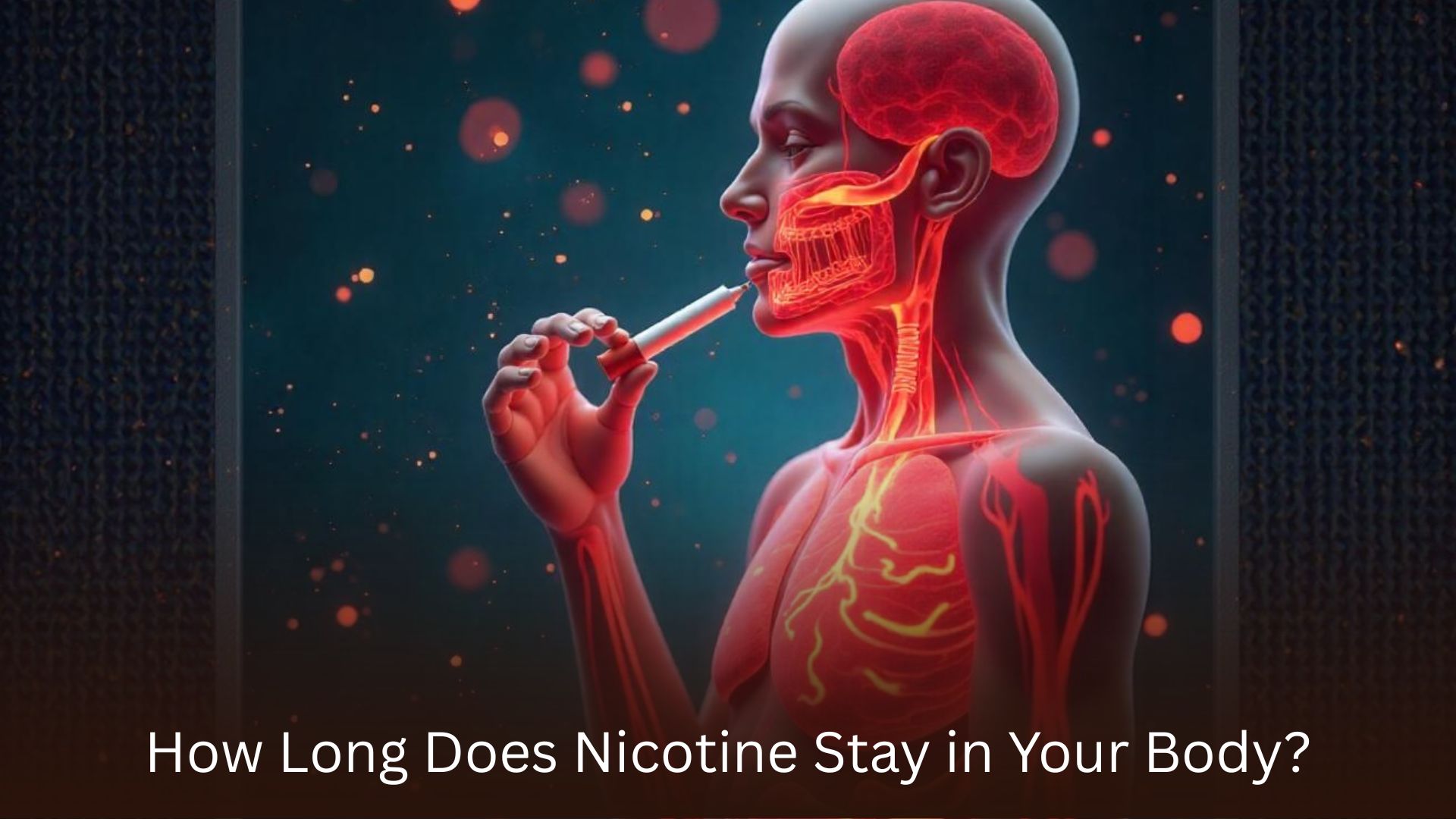
Nicotine enters your bloodstream fast, whether from smoking, vaping, chewing tobacco, or even secondhand exposure. Once there, your liver, lungs, and kidneys begin to metabolise it. The process turns nicotine into over 20 different substances, but the main one is cotinine. This metabolite is what most tests look for because it hangs around longer than nicotine itself.
Nicotine has a short half-life of about two hours. That means your body clears half of it in that time, which explains why smokers often crave another hit so soon after the last one. Cotinine, on the other hand, has a half-life of 15 to 40 hours. After four to five half-lives, nicotine is mainly gone, taking about eight to nine days for full clearance in many cases. However, that's just the average; actual times vary significantly based on your habits and body.
Your kidneys filter out these byproducts through urine, with some exiting via faeces, sweat, and even saliva. In breast milk, nicotine levels drop by half in two hours and clear entirely in about 10 hours, which is a concern for nursing parents. Overall, the body aims to eliminate nicotine efficiently, but heavy or long-term use builds up higher levels that take longer to flush.
How Long Does Nicotine Show Up in Tests?
Nicotine tests aren't just about the chemical itself; they often target cotinine for its reliability and accuracy. Detection windows depend on the test type, your usage, and other factors. Urine, blood, saliva, and hair are the most common methods for collecting samples. Let's dive into each to see what you might expect.
Urine Tests: The Most Common Check
Urine tests are popular because they're easy and non-invasive. They can detect cotinine for three to four days after light use, but in regular smokers, it might linger up to eight weeks. Current heavy users often have cotinine levels between 1,000 and 8,000 ng/mL, while someone who's quit for two weeks drops below 50 ng/mL. Even secondhand smoke can elevate levels to 0.5 to 10 ng/mL, enough to trigger a positive result on sensitive tests.
These tests measure both nicotine and cotinine, but cotinine is the star since it's more stable. If you're using menthol cigarettes or exposed to menthol secondhand smoke, cotinine might stick around a bit longer. Results can tell if you've quit recently, low levels suggest a week or so off tobacco, while high ones mean hours or days.
Blood Tests: A Deeper Look Inside
Blood tests give a snapshot of recent exposure. Nicotine itself clears in one to three days, but cotinine can show up for up to three weeks, sometimes more than two weeks to reach non-user levels. They're less sensitive than urine in some cases, which might lead to false negatives or positives. For instance, certain foods, such as broccoli or garlic, can mimic results due to thiocyanate, especially in vegetarians.
Blood can also check for anabasine, another byproduct unique to tobacco. This helps distinguish between nicotine replacement therapy (like patches) and actual smoking. If you're worried about a test, know that standard blood work won't always spot smoking unless specifically ordered.
Saliva Tests: Quick and Sensitive for Recent Use
Saliva swabbing is a straightforward method for detecting recent nicotine exposure. It picks up the chemical for up to 24 hours, with cotinine lasting four to seven days or up to 14 days for heavy users. Concentrations here are lower than in urine, so it clears faster overall. Dry mouth or excessive saliva can make collection tricky, but results typically come back in one to three days. This method is super sensitive for spotting recent puffs, whether from a cigarette or a vape. It's often used in quick screenings for jobs or insurance.
Hair Tests: The Long-Term Detective
Hair follicle tests are less common due to their cost, but they're powerful for historical purposes. Nicotine and cotinine can embed in hair for up to 90 days, or even three to 12 months in chronic users. A small sample is all that's needed, with results available in one to five days. This test can also reveal passive exposure, such as from smoky environments.
While rare in everyday checks, hair testing excels in research or legal cases, revealing patterns over months rather than days.
What Influences How Long Nicotine Lingers?
No two bodies process nicotine the same way. Several factors contribute to detection times, making it a personal matter. Your genetics are a big one. Some people metabolise it faster, clearing it quicker, while others hold onto it longer. Age matters too; older folks often excrete it more slowly. Body mass comes into play since fat can store nicotine, extending its stay.
How much and how often you use it is crucial. Heavy, frequent smokers or vapers build higher levels, pushing detection to weeks. Long-term habits mean more buildup. The type of product affects delivery; chew tobacco packs more nicotine than cigarettes, while vapes vary by device and juice strength.
Hydration and activity levels help too. Staying hydrated flushes it through urine, and exercise boosts sweat and metabolism. Overall health, such as liver function, also plays a role. Even secondhand smoke adds detectable traces, although they are usually low.
Tips to Help Clear Nicotine from Your Body
Want to speed things up? There's no magic flush, and unproven products or herbs won't help; they lack real backing. But healthy habits can support your body's natural process.
Drink plenty of water to increase urine output and support kidney function. It helps release more nicotine and cotinine. Regular exercise gets your heart pumping, improving circulation and sweat to expel waste. Aim for activities that make you sweat without overdoing it.
A balanced diet rich in antioxidants from fruits, vegetables, nuts, and fish can aid metabolism and promote repair. These foods support liver function, where much of the breakdown happens. Avoid tobacco entirely; that's the real key to clearance.
If you're on nicotine replacement therapy, like patches or gum, it will keep levels detectable but ease the quit. Just know tests might still flag you until you stop all sources.
Dealing with Withdrawal and Making the Quit Stick
Quitting means facing withdrawal, which peaks in the first three days and eases after a week. Symptoms like cravings, irritability, and anxiety hit hard initially but fade as nicotine clears. Psychological urges can last longer, triggered by stress or social cues.
Nicotine replacement doubles your odds of quitting success by tapering intake. Medications can curb cravings, too. For support, talk to a doctor, especially if you have a history of anxiety. Remember, physical symptoms often resolve once they're out of your system, but the mental side needs ongoing effort.
Overdose is a risk with too much nicotine, causing nausea, rapid heartbeat, dizziness, or worse. Keep products out of the reach of children and follow safety guidelines.
Conclusion
Nicotine's presence in the body varies from days in urine or blood to months in hair, but understanding these timelines empowers you. Whether for a test or health, the message is clear: the fastest way out is to stop all nicotine now. Your body will thank you with clearer lungs, better energy, and freedom from addiction. If you're ready to quit, start with small steps, such as drinking enough water and engaging in regular physical activity. You've got this one smoke-free day at a time that leads to a nicotine-free life.