

Dravet Syndrome Therapeutics Market Size and Overview
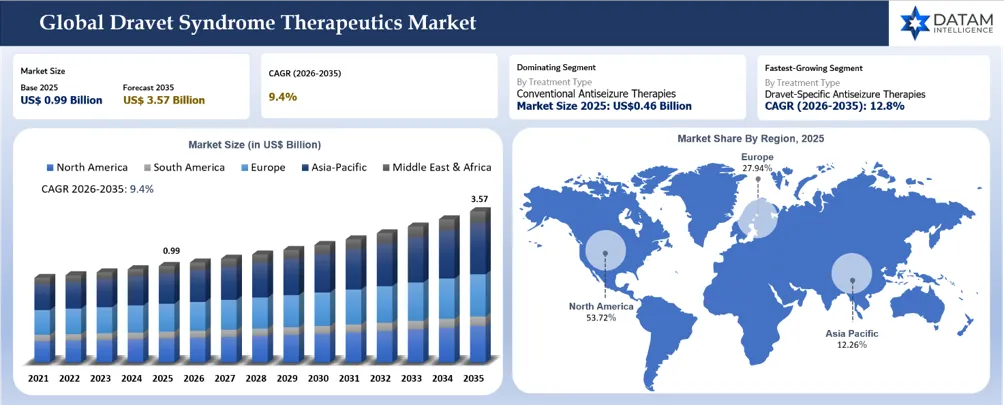
The global dravet syndrome therapeutics market reached US$0.99 billion in 2025 and is expected to reach US$3.57 billion by 2035, growing with a CAGR of 9.4% during the forecast period 2026-2035.
Growth is being supported by wider recognition of dravet syndrome, increasing access to genetic confirmation and greater use of syndrome-specific therapies alongside established antiseizure regimens. Treatment strategies are shifting beyond conventional seizure suppression toward more structured, syndrome-specific management. Valproate, clobazam and other broad-spectrum antiseizure medicines remain widely used, while fenfluramine, stiripentol and cannabidiol have strengthened treatment options for patients with persistent convulsive seizures. However, polytherapy complexity, drug interactions, breakthrough seizures, status epilepticus risk and long-term treatment burden continue to create significant unmet need.
The competitive landscape is increasingly shaped by therapies targeting the underlying biology of dravet syndrome. SCN1A-focused antisense oligonucleotides, gene-regulation therapies, RNA-targeted medicines and selective ion-channel modulators are advancing through development, potentially shifting treatment objectives from symptomatic seizure reduction toward disease modification. Clinical differentiation will increasingly depend on durable seizure control, developmental outcomes, reduction in emergency events, safety and compatibility with existing multidrug regimens.
The next competitive inflection point will involve therapies capable of improving outcomes beyond seizure-frequency reduction. Commercial leadership will depend on earlier patient identification, strong specialist adoption, payer acceptance, scalable rare-disease distribution and evidence demonstrating reductions in status epilepticus, hospitalization and caregiver burden. Companies combining precision treatment with robust real-world evidence and long-term neurological benefit are likely to strengthen their position as the therapeutic landscape evolves.
Dravet Syndrome Therapeutics Market Key Takeaways
- Sustained Market Expansion Through 2035: The global dravet syndrome therapeutics market was valued at US$0.99 billion in 2025, with continued growth expected through 2035 as syndrome-specific therapies, improved diagnosis and emerging precision treatments expand the treated patient pool.
- Conventional Antiseizure Therapies Maintain Market Leadership: Conventional antiseizure therapies generated an estimated US$0.46 billion in 2025, supported by their foundational role in multidrug regimens, broad physician familiarity and continued use across pediatric and adult dravet patients.
- Dravet-Specific Antiseizure Therapies Become the Primary Growth Engine: Dravet-specific antiseizure therapies are projected to register an estimated 12.8% CAGR during 2026-2035, driven by increasing use of fenfluramine and stiripentol, earlier genetic confirmation and greater physician preference for syndrome-specific evidence.
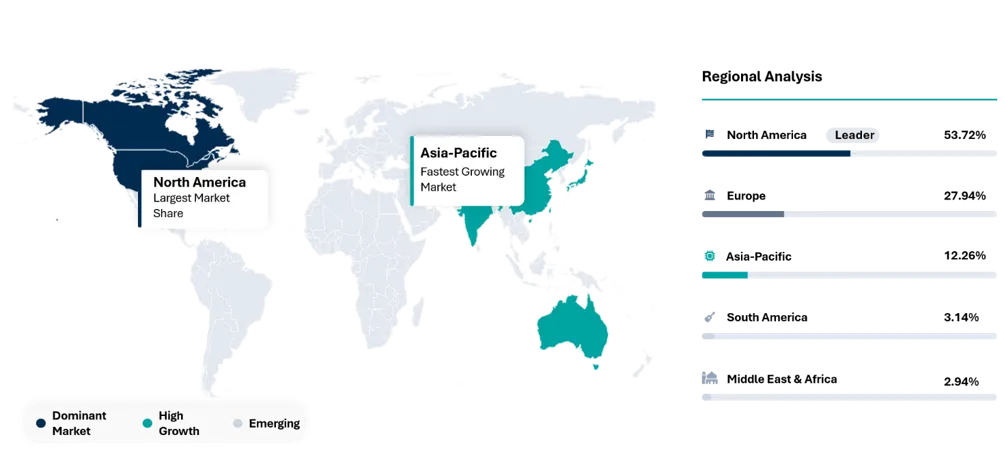
- North America Maintains Regional Dominance: North America accounted for an estimated 53.72% of the global market in 2025, supported by stronger rare-epilepsy networks, broader reimbursement access, specialty-pharmacy infrastructure and higher penetration of premium branded therapies.
- Disease-Modifying Therapies Reshape Competitive Strategy: Future market leadership will increasingly depend on SCN1A-targeted therapies, antisense oligonucleotides, gene-regulation approaches and precision neurology platforms capable of delivering durable seizure reduction, lower status epilepticus risk and improved developmental outcomes.
Dravet Syndrome Therapeutics Market Industry Trends and Strategic Insights
- The market is transitioning from broad-spectrum seizure suppression toward syndrome-specific and precision treatment strategies designed to deliver deeper and more durable control of convulsive seizures. Treatment value is increasingly assessed through seizure-frequency reduction, prevention of status epilepticus, hospitalization avoidance, developmental outcomes and caregiver quality-of-life improvement.
- Conventional antiseizure therapies remain the treatment backbone because of physician familiarity, established availability and their role within multidrug regimens. However, fenfluramine, stiripentol and cannabidiol are increasing the use of Dravet-specific treatment pathways among patients with persistent seizures despite standard therapy.
- Dravet-specific antiseizure therapies represent the fastest-growing treatment category, but commercial adoption will depend on long-term safety, drug-interaction management, treatment persistence, reimbursement and specialist confidence. Competitive differentiation will increasingly center on seizure-control durability, pediatric suitability, dosing convenience and compatibility with existing polytherapy.
- SCN1A-targeted antisense, gene-regulation, RNA-based and ion-channel therapies could materially reshape treatment pathways by addressing underlying disease biology rather than only suppressing seizures. Their commercial impact will depend on clinically meaningful developmental benefit, durable efficacy, scalable manufacturing and evidence of value beyond seizure-frequency endpoints.
- Sustainable competitive advantage will require more than short-term seizure reduction. Companies demonstrating lower status epilepticus risk, fewer emergency admissions, improved cognitive and behavioral outcomes, manageable long-term safety and credible real-world evidence will be better positioned to secure specialist adoption, payer acceptance and premium reimbursement.
Dravet Syndrome Therapeutics Market Scope
| Metrics | Details | |
| 2025 Market Size | US$0.99 Billion | |
| 2035 Projected Market Size | US$3.57 Billion | |
| CAGR (2026-2035) | 9.4% | |
| Largest Market | North America | |
| Fastest Growing Market | Asia-Pacific | |
| By Treatment Type | Conventional Antiseizure Therapies, Dravet-Specific Antiseizure Therapies, Cannabinoid-Based Therapies, Rescue Therapies | |
| By Drug | Fenfluramine, Cannabidiol, Stiripentol, Valproate, Clobazam, Topiramate, Levetiracetam, Others | |
| By Route of Administration | Oral, Intranasal, Rectal, Intravenous, Others | |
| By Dosage Form | Oral Solutions, Tablets, Capsules, Oral Granules and Powders, Nasal Formulations, Rectal Formulations | |
| By Patient Age Group | Pediatric, Adult | |
| By Therapy Line | First-Line Therapy, Second-Line Therapy, Third-Line and Later Therapy | |
| By Prescription Type | Branded, Generic | |
| By Disease Severity | Mild, Moderate, Severe | |
| By End User | Hospitals, Specialty Neurology Clinics, Epilepsy Centers, Ambulatory Care Centers, Others | |
| By Distribution Channel | Hospital Pharmacies, Retail Pharmacies, Specialty Pharmacies, Online Pharmacies, Others | |
| By Region | North America | U.S., Canada, Mexico |
| Europe | Germany, UK, France, Spain, Italy, Poland | |
| Asia-Pacific | China, India, Japan, Australia, South Korea, Indonesia, Malaysia, Singapore, Vietnam, Thailand, Philippines, Taiwan | |
| South America | Brazil, Argentina | |
| Middle East and Africa | Israel, Saudi Arabia, UAE, Turkiye, South Africa, Nigeria | |
| Report Insights Covered | Competitive Landscape Analysis, Company Profile Analysis, Market Size, Share, Growth | |
Why does this report matter in 2026?
The global dravet syndrome therapeutics market report matters in 2026 because the treatment landscape is entering a structural transition from chronic seizure suppression toward precision and potentially disease-modifying therapies. Established products such as FINTEPLA, EPIDIOLEX and DIACOMIT remain important for reducing seizure burden, but major unmet needs persist across cognition, development, behavior and overall quality of life. At the same time, the competitive pipeline has become considerably deeper, spanning serotonergic agents, antisense oligonucleotides, gene-regulation therapies and other SCN1A-focused approaches. The Dravet Syndrome Foundation reported in 2026 that three experimental genetic therapies were already being evaluated in human clinical trials, demonstrating how quickly the therapeutic paradigm is evolving.
For pharmaceutical companies, investors and healthcare stakeholders, 2026 is therefore a critical positioning year. Stoke Therapeutics completed enrollment of 162 patients in the Phase 3 EMPEROR study of zorevunersen, while Encoded Therapeutics dosed the first patient in the pivotal ENDEAVOR Part 2 study of ETX101. Meanwhile, commercial momentum remains significant: UCB reported €239 million (US$272.3 million) in FINTEPLA sales in the first half of 2026 and more than 16,000 patients reached globally. These developments are reshaping competitive positioning, treatment sequencing, licensing opportunities, pricing strategy and future standards of care, making detailed assessment of pipeline maturity, patient access and commercial white spaces increasingly important.
Dravet Syndrome Therapeutics Market White Space & Investment Opportunities
- Earlier Diagnosis and Genotype-Guided Intervention: Invest in earlier genetic confirmation of SCN1A-related Dravet syndrome, standardized seizure phenotyping, digital seizure monitoring and clinical decision-support tools that shorten the diagnostic journey and enable earlier initiation of syndrome-appropriate therapy.
- Therapies Beyond Seizure Reduction: Develop treatments that address cognitive impairment, developmental delay, behavioral symptoms, sleep disruption, gait abnormalities and other non-seizure manifestations. Current therapies primarily focus on seizure control, leaving substantial unmet need across overall neurological function and quality of life.
- Disease-Modifying and Precision Therapies: Advance antisense oligonucleotides, gene regulation, gene replacement, RNA-based therapies and other SCN1A-targeted approaches capable of modifying underlying disease biology rather than providing only symptomatic seizure suppression.
- Durable Long-Term Disease Control: Invest in therapies that deliver sustained seizure reduction, lower status epilepticus risk and preserve developmental outcomes with reduced chronic treatment burden. Long-term durability will become increasingly important as emerging genetic and molecular therapies move toward late-stage development.
- Treatment Sequencing and Combination Evidence: Generate comparative evidence defining how fenfluramine, cannabidiol, stiripentol, valproate, clobazam and rescue therapies should be sequenced or combined according to patient age, seizure type, prior treatment response, comorbidities and tolerability.
- Adult Dravet Syndrome Treatment Gap: Expand clinical development and real-world evidence in adults with Dravet syndrome, who remain less extensively studied than pediatric patients despite requiring lifelong seizure management and multidisciplinary care.
- Improved Rescue and Acute Seizure Management: Develop faster-acting, easier-to-administer rescue therapies for prolonged seizures and seizure clusters, particularly formulations suitable for home and caregiver use that reduce emergency department utilization and hospitalization.
- Geographic Access and Outcome-Based Reimbursement: Expand access to specialist neurology care, genetic testing and Dravet-specific therapies across underserved markets while building real-world evidence around seizure reduction, hospitalization avoidance, caregiver burden, developmental outcomes and health-economic value to support reimbursement.
Dravet Syndrome Therapeutics Market Future Transformation
The global dravet syndrome therapeutics market is expected to transform from predominantly symptomatic seizure management toward precision, disease-modifying and genetically targeted treatment models. Current standards such as fenfluramine, cannabidiol, stiripentol, valproate and clobazam will remain central to seizure control, but the next phase of competition will increasingly focus on therapies addressing the underlying SCN1A dysfunction. Antisense oligonucleotides, gene-regulation platforms, RNA-based therapeutics and other molecular approaches could redefine treatment objectives from reducing seizure frequency to improving developmental trajectory, cognition and long-term neurological function. This transition will also increase the strategic importance of earlier genetic diagnosis, biomarker development and patient stratification.
Commercially, the market is likely to evolve toward more complex treatment sequencing, premium specialty-drug models and evidence-based reimbursement frameworks. As emerging therapies move through late-stage development, manufacturers will need to demonstrate durability, reduction in status epilepticus, lower hospitalization burden and improvements beyond seizure endpoints. Competition will increasingly extend into adult Dravet populations, combination strategies, caregiver-friendly rescue therapies and underserved geographies. Companies capable of integrating precision treatment, longitudinal real-world evidence and scalable patient-access programs will be best positioned as the market shifts from lifelong symptom suppression toward potentially transformative disease control.
Dravet Syndrome Therapeutics Market Buyer Decision-Making Criteria
Major Buyer Decision-Making Criteria:
- Magnitude and Durability of Seizure Reduction
- Reduction in Convulsive Seizure Frequency
- Prevention of Status Epilepticus and Seizure Clusters
- Speed of Treatment Response
- Effectiveness Across Different Seizure Types
- Impact on Cognitive, Behavioral and Developmental Outcomes
- Safety, Tolerability and Long-Term Clinical Evidence
- Suitability Across Pediatric and Adult Patient Populations
- Compatibility With Existing Combination Therapy Regimens
- Route of Administration, Dosing Convenience and Treatment Burden
- Monitoring Requirements and Drug Interaction Risk
- Rescue Therapy Requirements and Ease of Caregiver Administration
- Reduction in Hospitalizations and Emergency Care Utilization
- Quality-of-Life and Caregiver-Burden Improvement
- Pricing, Reimbursement and Overall Healthcare Budget Impact
- Guideline Positioning, Specialist Physician Experience and Patient-Support Services
Dravet Syndrome Therapeutics Market Investment Trends
- Capital allocation is increasing toward commercialization, geographic expansion, reimbursement access and patient-support infrastructure for established Dravet therapies such as FINTEPLA, EPIDIOLEX and DIACOMIT, particularly across markets with improving rare-disease diagnosis and specialist access.
- Disease-modifying approaches are attracting greater investment as antisense oligonucleotides, gene-regulation therapies and other SCN1A-targeted platforms aim to address the underlying molecular cause of Dravet syndrome rather than only suppress seizures.
- Investment is accelerating across RNA therapeutics, gene therapy, ion-channel modulation and precision neurology platforms seeking deeper seizure reduction, lower status epilepticus risk and improvements in developmental, cognitive and behavioral outcomes.
- Investors increasingly prioritize assets capable of serving pediatric and adult patients, treatment-refractory populations and patients requiring complex combination therapy, while improving long-term tolerability, dosing convenience and treatment persistence.
- Digital-health investment is targeting seizure detection, remote monitoring, wearable technologies, caregiver reporting tools and predictive analytics designed to improve seizure tracking, identify deterioration earlier and support treatment optimization.
- Companies are allocating greater resources to patient registries, real-world evidence and health-economic studies linking sustained seizure control, reduced emergency events, lower hospitalization rates and improved caregiver burden with stronger reimbursement positioning and long-term healthcare value.
Strategic Indicators for Global Dravet Syndrome Therapeutics Market
High Regulation Impact
The dravet syndrome therapeutics market faces high regulatory scrutiny because treatments are frequently administered to pediatric patients over prolonged periods and may involve complex multidrug regimens. Regulators evaluate reductions in convulsive seizure frequency, seizure-free days, status epilepticus events, rescue-medication use, treatment durability and clinically meaningful improvements in neurological function alongside safety, tolerability and drug-interaction risks. Emerging antisense oligonucleotides, gene-regulation therapies and other SCN1A-targeted approaches face additional requirements around long-term safety, dose durability and developmental outcomes. Developers must generate robust controlled-trial evidence, age-specific safety data, long-term extension results and post-marketing surveillance. These requirements increase development complexity but favor companies with strong rare-disease clinical infrastructure, regulatory expertise and long-term pharmacovigilance capabilities.
High Investment Activity
Investment activity is increasing as the market shifts from conventional antiseizure management toward precision and potentially disease-modifying therapies. Capital is being directed toward SCN1A-targeted programs, antisense oligonucleotides, gene regulation, RNA therapeutics, ion-channel modulation and differentiated rescue treatments. Strategic collaborations and licensing agreements are becoming increasingly important because rare-disease programs require specialized development capabilities, global trial networks and substantial commercialization investment. Investors are particularly focused on assets capable of delivering meaningful reductions in seizure burden while improving developmental, cognitive and behavioral outcomes. Programs with strong biomarker strategies, differentiated mechanisms, scalable manufacturing and credible pathways to regulatory approval are likely to attract premium valuations and partnership interest.
High New Drug-Class Adoption
Dravet syndrome is experiencing gradual adoption of differentiated therapeutic classes beyond conventional antiseizure medicines, supported by therapies such as fenfluramine, cannabidiol and stiripentol. Future adoption could accelerate further as disease-modifying therapies, RNA-based medicines, gene-regulation approaches and selective ion-channel modulators advance through clinical development. Neurologists are likely to differentiate emerging therapies based on magnitude of seizure reduction, impact on status epilepticus, developmental outcomes, long-term durability, safety and compatibility with existing polytherapy regimens. New mechanisms will need to demonstrate clinically meaningful advantages over established standards rather than relying solely on mechanistic novelty. Successful adoption will therefore depend on clear positioning within treatment sequencing, strong specialist education and evidence demonstrating benefits beyond seizure-frequency reduction.
Regional Expansion Opportunity
Regional expansion potential remains substantial because Dravet syndrome occurs globally while access to genetic diagnosis, epilepsy specialists, Dravet-specific medicines and reimbursement remains uneven. The United States and major European markets provide strong commercial potential through established rare-disease networks, specialty pharmacies and broader access to advanced therapies. Japan and selected Asia-Pacific markets are becoming strategically important as regulatory pathways, genetic testing and specialist care expand. China, Latin America, the Middle East and other emerging markets offer longer-term opportunities as rare-disease recognition and reimbursement frameworks strengthen. Successful regional expansion will require country-specific epidemiology, genetic-testing availability, payer engagement, physician education, regulatory planning and reliable specialty distribution capable of supporting high-value chronic therapies.
Government Policy Support
Government influence is increasingly important through orphan-drug incentives, rare-disease frameworks, pediatric-development pathways, accelerated regulatory mechanisms and public reimbursement programs. These policies can shorten development timelines, support clinical research and improve access to therapies addressing severe unmet need. Public health systems also influence market adoption through genetic-testing coverage, specialist referral pathways, treatment guidelines, reimbursement criteria and access to rescue medications. Policy support remains uneven across countries, particularly where rare-disease diagnosis and specialty-neurology infrastructure are limited. Companies should therefore support patient registries, natural-history studies and real-world evidence generation while demonstrating reductions in emergency care, hospitalization, caregiver burden and long-term neurological complications to strengthen engagement with regulators and payers.
Value-Based Pricing Intelligence
Value-based pricing in dravet syndrome therapeutics will increasingly depend on outcomes extending beyond seizure-frequency reduction. Therapies will need to demonstrate durable control of convulsive seizures, fewer episodes of status epilepticus, reduced rescue-medication requirements, lower emergency-care utilization and improvements in developmental, behavioral and quality-of-life outcomes. Pricing potential will vary according to disease severity, treatment line, age, previous therapy failure and the durability of therapeutic benefit. Payers will also assess chronic treatment requirements, monitoring burden, drug interactions, hospitalization avoidance and total lifetime treatment costs. Manufacturers combining clinically meaningful disease control, convenient administration, strong safety, durable response and credible health-economic evidence will be better positioned to secure premium pricing, favorable formulary access and innovative reimbursement arrangements.
AI Impact Analysis of Dravet Syndrome Therapeutics Market
Artificial intelligence is beginning to influence the dravet syndrome therapeutics market by improving diagnosis, patient stratification, seizure monitoring and clinical-trial design. Machine-learning models can support earlier recognition of seizure patterns, integrate genetic and electroclinical data, and identify patients who may benefit from specific treatment pathways. AI-enabled wearable devices and digital seizure diaries can also improve the quality of longitudinal data available to neurologists, reducing reliance on caregiver recall and enabling more objective assessment of treatment response. For drug developers, AI can accelerate target discovery, biomarker identification and patient-selection strategies, particularly for SCN1A-focused precision therapies and rare-disease trials where recruitment efficiency is critical.
The larger commercial impact will come from evidence generation and treatment optimization. AI-based analytics can help companies identify high-risk patients, predict hospitalization or status epilepticus risk, optimize combination therapy, and generate real-world evidence from fragmented clinical and registry datasets. This can strengthen payer submissions, support outcome-based reimbursement and improve post-launch differentiation. However, adoption will depend on validation, data quality, interoperability and regulatory acceptance. Companies combining therapeutics with reliable AI-enabled monitoring and evidence platforms could gain a meaningful advantage in patient access, clinical development efficiency and long-term treatment positioning.
Disruption Analysis of Dravet Syndrome Therapeutics Market
The dravet syndrome therapeutics market is being reshaped by a shift in treatment philosophy, moving from chronic seizure suppression toward precision and potentially disease-modifying intervention. Established antiseizure drugs remain central to care, but emerging SCN1A-targeted approaches, antisense oligonucleotides, gene-regulation therapies and novel ion-channel modulators could materially alter the competitive landscape. If these therapies demonstrate durable improvements in seizure control, cognition and developmental outcomes, they may reduce dependence on multi-drug regimens and change treatment sequencing. This would pressure incumbent products to defend their position through stronger real-world evidence, combination strategies, broader age-group coverage and differentiated safety profiles.
Further market transformation is being driven by changes in clinical development, patient identification and reimbursement strategy. Earlier genetic diagnosis, digital seizure monitoring and more structured patient registries can improve trial recruitment and enable more targeted studies in rare patient populations. At the same time, high-value advanced therapies will increase payer scrutiny around durability, hospitalization reduction, caregiver burden and long-term neurological benefit. Companies able to combine differentiated therapeutics with biomarker-led development, longitudinal evidence and scalable access models are likely to gain strategic advantage as the market becomes increasingly centered on clinically transformative outcomes rather than incremental seizure reduction alone.
Global Dravet Syndrome Therapeutics Market BCG Matrix: Company Evaluation
STAR
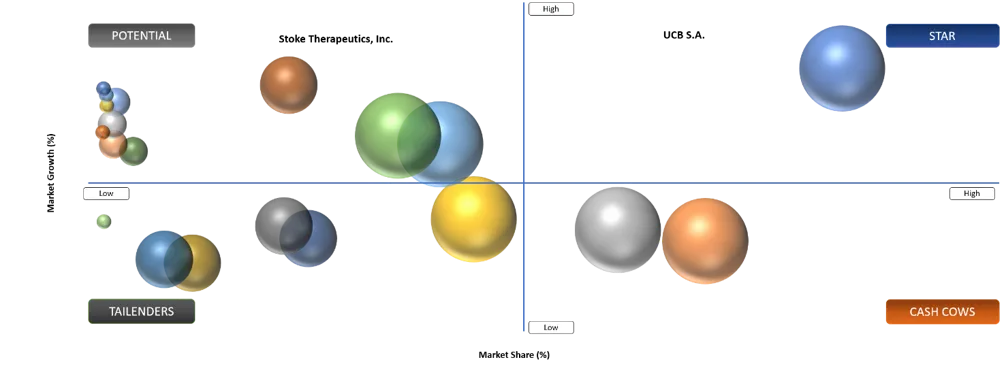
UCB S.A., Jazz Pharmaceuticals plc and Biocodex SAS are positioned in the Star category based on their established commercial presence, approved Dravet-specific therapies and strong influence on treatment sequencing. UCB leads through FINTEPLA (fenfluramine), Jazz Pharmaceuticals through EPIDIOLEX/EPIDYOLEX (cannabidiol) and Biocodex through DIACOMIT (stiripentol). These companies benefit from physician familiarity, established rare-disease commercialization capabilities, reimbursement pathways and integration into specialist epilepsy care. Their current market position is supported by clinically differentiated products used in patients with persistent seizures despite conventional antiseizure therapy.
Future leadership will depend on broader geographic penetration, sustained reimbursement, evidence supporting long-term seizure control, reduced status epilepticus, lower hospitalization burden and improved quality of life. Companies that strengthen real-world evidence, optimize treatment sequencing and expand access across pediatric and adult populations are likely to retain the strongest commercial position as competition intensifies.
POTENTIAL
Stoke Therapeutics, Inc., Biogen Inc., Encoded Therapeutics, Inc., H. Lundbeck A/S, Harmony Biosciences Holdings, Inc., Ionis Pharmaceuticals, Inc., Praxis Precision Medicines, Inc., Bright Minds Biosciences Inc., Bloom Science, Inc., Xenon Pharmaceuticals Inc., Emugen Therapeutics, LLC and Regel Therapeutics Inc. are positioned in the Potential category because of their exposure to emerging disease-modifying, precision-neurology and next-generation epilepsy treatment platforms.
Stoke and Biogen are advancing zorevunersen, while Encoded Therapeutics is developing ETX101 as a gene-regulation approach targeting SCN1A dysfunction. Ionis is advancing RNA-targeted therapy, Lundbeck is developing bexicaserin, and Harmony Biosciences is progressing EPX-100. Praxis, Xenon, Bright Minds, Bloom Science, Emugen and Regel broaden the pipeline through ion-channel modulation, serotonergic mechanisms, microbiome-based approaches and genetic therapies. Progression toward the Star category will depend on late-stage clinical success, regulatory approval, durability of seizure reduction, developmental benefit, manufacturing scalability, payer acceptance and commercial launch readiness.
Global Dravet Syndrome Therapeutics Market Dynamics
Driver Impact Analysis
| Driver | Market Growth Impact (%) | Demand Concentration | Impacted Use Case | Strategic Impact |
Expansion of Dravet-Specific Therapy Adoption Beyond Conventional Antiseizure Regimens | 15.2% | High across North America and Europe; strengthening in Japan and developed Asia-Pacific | Patients inadequately controlled with conventional multidrug antiseizure therapy | Expands utilization of fenfluramine, cannabidiol and stiripentol while shifting treatment algorithms toward syndrome-specific therapies and increasing specialty-drug revenue per treated patient |
Acceleration of SCN1A-Targeted Disease-Modifying Therapy Development | 13.8% | Concentrated in the United States and Europe through specialist epilepsy centers and clinical-trial networks | Genetically confirmed SCN1A-positive pediatric and adolescent patients | Creates a new high-value therapeutic layer beyond seizure suppression and could materially reshape treatment sequencing, pricing models and competitive positioning as antisense and gene-regulation programs advance |
Earlier Genetic Confirmation and Expansion of Diagnosed Treatable Patient Pools | 11.6% | Highest in developed rare-disease testing markets; increasing across Asia-Pacific and selected emerging economies | Infants and children with prolonged febrile seizures, developmental delay and suspected developmental epileptic encephalopathy | Shortens diagnostic delay, enables earlier syndrome-appropriate treatment and increases the commercially addressable population before patients accumulate multiple ineffective antiseizure regimens |
Rising Clinical Priority on Preventing Status Epilepticus and Emergency-Care Burden | 10.9% | Strong across specialist epilepsy centers, pediatric hospitals and home-based seizure-management pathways | Patients with recurrent prolonged seizures, seizure clusters and high hospitalization risk | Increases demand for durable maintenance therapy alongside caregiver-administered rescue treatments, strengthening the value proposition for therapies that reduce emergency visits, hospitalization and overall caregiver burden |
Driver: Expansion of Dravet-Specific Therapy Adoption Beyond Conventional Antiseizure Regimens
The expansion of dravet-specific therapy adoption beyond conventional antiseizure regimens is strengthening growth of the global dravet syndrome therapeutics market as neurologists increasingly move eligible patients toward therapies supported by syndrome-specific clinical evidence. Conventional antiseizure drugs such as valproate and clobazam remain foundational, but fenfluramine, cannabidiol and stiripentol are becoming more firmly embedded in treatment sequencing for patients with persistent convulsive seizures and inadequate control on standard regimens. UCB estimates the addressable Dravet syndrome population for FINTEPLA at approximately 15,000 patients, highlighting a meaningful pool for syndrome-focused treatment and further penetration of differentiated therapies.
Commercial momentum is also visible across the broader Dravet-relevant treatment landscape. Jazz Pharmaceuticals reported approximately US$1.06 billion in 2025 net sales for EPIDIOLEX/EPIDYOLEX, representing around 9% year-over-year growth. Although these revenues include indications beyond Dravet syndrome, they demonstrate increasing physician familiarity, payer acceptance and specialty-pharmacy penetration for differentiated epilepsy therapies. As genetic diagnosis improves and treatment pathways become more standardized, Dravet-specific therapies are expected to gain greater prominence within combination regimens, reducing reliance on purely empirical polytherapy and supporting higher clinical and commercial value per treated patient.
Restraint Impact Analysis
| Restraint | Drag on Market Growth (%) | Primary Impact Area | Impacted Use Case | Strategic Impact |
High Lifetime Treatment Cost and Uneven Reimbursement for Dravet-Specific Therapies | 13.7% | Treatment access, reimbursement approval and therapy persistence | Patients requiring chronic use of premium therapies such as fenfluramine, cannabidiol and stiripentol | Limits penetration outside well-funded healthcare systems, increases prior-authorization burden and can delay escalation from conventional antiseizure regimens to syndrome-specific treatment |
Polytherapy Complexity and Clinically Significant Drug-Drug Interaction Burden | 12.4% | Prescribing confidence, dose optimization and long-term adherence | Patients receiving combinations of valproate, clobazam, stiripentol, cannabidiol, fenfluramine and rescue medications | Raises monitoring requirements and complicates treatment sequencing, particularly when dose adjustments are needed to control sedation, appetite effects, hepatic risk or other tolerability concerns |
Small Diagnosed Patient Pool and Persistent Diagnostic Delay | 10.8% | Patient identification, clinical-trial recruitment and commercial scalability | Infants and children with atypical early seizure presentations or delayed SCN1A genetic confirmation | Restricts the immediately addressable population, slows patient acquisition and increases the cost of identifying eligible patients for both marketed drugs and rare-disease clinical trials |
Limited Evidence on Long-Term Developmental Benefit Beyond Seizure Reduction | 9.6% | Payer valuation, physician differentiation and advanced-therapy adoption | Patients being considered for long-term specialty treatment or emerging disease-modifying therapies | Makes it harder to demonstrate value beyond seizure-frequency endpoints and increases pressure on developers to generate evidence around cognition, behavior, status epilepticus, hospitalization and caregiver burden |
Restraint: High Lifetime Treatment Cost and Uneven Reimbursement for Dravet-Specific Therapies
The high lifetime cost of dravet-specific therapies and uneven reimbursement across healthcare systems continue to restrain broader treatment adoption, particularly because Dravet syndrome requires long-term management beginning in early childhood. Premium branded therapies such as fenfluramine, cannabidiol and stiripentol are often added to existing multidrug regimens rather than replacing them completely, increasing cumulative pharmaceutical expenditure and payer scrutiny. Jazz Pharmaceuticals itself notes that physicians may not prescribe EPIDIOLEX and patients may be unwilling to use it when insurance coverage is absent or reimbursement does not cover a significant portion of treatment cost. This creates access variability across countries and payer segments, especially where rare-disease reimbursement frameworks remain underdeveloped.
The reimbursement burden is also evident in manufacturer financials. Jazz reported US$459.8 million in rebates and other sales deductions in 2025, including rebates associated with the U.S. EPIDIOLEX Medicaid program. Meanwhile, UCB reported that its average U.S. net pricing declined 1.7% in 2025, despite a 4.9% average list-price increase, reflecting substantial rebates and discounts used to maintain patient access. Although these figures cover broader company portfolios, they illustrate the pricing pressure surrounding specialty therapeutics and reinforce the need for strong health-economic evidence, patient-assistance programs and country-specific reimbursement strategies.
Dravet Syndrome Therapeutics Market Segment Analysis
The global dravet syndrome therapeutics market is segmented based on the treatment type, drug, route of administration, dosage form, patient age group, therapy line, prescription type, disease severity, end user, distribution channel and region.
Conventional Antiseizure Therapies Retain Market Leadership While Dravet-Specific Treatments Accelerate Growth
The global dravet syndrome therapeutics market is led by conventional antiseizure therapies, which remain the foundation of long-term disease management because most patients require multidrug treatment built around agents such as valproate, clobazam, topiramate and other broad-spectrum antiseizure medicines. In 2025, conventional antiseizure therapies are estimated to account for approximately US$0.46 billion, reflecting their broad physician familiarity, established reimbursement pathways and continued use across pediatric and adult treatment settings. Their dominant position is also supported by their role as baseline therapy even when newer Dravet-specific medicines are added. However, persistent breakthrough seizures, treatment-related adverse effects, drug-drug interactions and limited impact on broader developmental outcomes are creating pressure to move beyond conventional polytherapy.
Dravet-specific antiseizure therapies are expected to be the fastest-growing treatment category, with an estimated CAGR of 12.8% during 2026-2035. Growth is being supported by increasing adoption of fenfluramine and stiripentol, earlier syndrome recognition, wider use of genetic confirmation and greater physician preference for therapies backed by dravet-specific clinical evidence. Cannabinoid-based therapies and rescue treatments will remain important adjunctive categories, particularly for refractory patients and acute seizure management. Over the forecast period, competitive differentiation will increasingly depend on durable convulsive-seizure reduction, lower status epilepticus risk, improved tolerability, developmental benefit and compatibility with existing combination regimens.
Dravet Syndrome Therapeutics Market Geographical Penetration
U.S. Dravet Syndrome Therapeutics Market Landscape
The U.S. dravet syndrome therapeutics market is characterized by high penetration of syndrome-specific therapies, strong rare-epilepsy specialist networks and increasing movement toward precision treatment pathways. FDA-approved options such as fenfluramine, cannabidiol and stiripentol have broadened treatment beyond conventional antiseizure polytherapy, while genetic confirmation is increasingly supporting earlier diagnosis and more structured treatment sequencing. UCB estimates approximately 15,000 addressable Dravet syndrome patients for FINTEPLA, underlining the commercial significance of the U.S. rare-epilepsy population despite the disease’s low prevalence.
The U.S. market is also becoming more competitive as companies develop therapies designed to deliver benefits beyond incremental seizure reduction. Commercial performance of established rare-epilepsy products demonstrates strong payer and physician acceptance: Jazz Pharmaceuticals reported US$1.1 billion in 2025 EPIDIOLEX/EPIDYOLEX net product sales, up 9% year over year, although these revenues include other approved epilepsy indications in addition to Dravet syndrome. Going forward, U.S. competitive positioning will increasingly depend on durable seizure control, status epilepticus reduction, developmental outcomes, reimbursement access and successful integration of emerging SCN1A-targeted disease-modifying therapies.
Japan Dravet Syndrome Therapeutics Market Outlook
The Japan dravet syndrome therapeutics market is moving toward broader adoption of syndrome-specific therapies as genetic diagnosis, specialist epilepsy care and access to advanced rare-disease medicines improve. Japan represents an important Asia-Pacific market because Dravet syndrome is estimated to affect approximately 3,000-6,000 patients nationally. FINTEPLA has been approved in Japan since 2022 for seizures associated with Dravet syndrome in patients aged two years and older, supporting a gradual shift away from reliance solely on conventional antiseizure polytherapy. Wider physician familiarity with fenfluramine, cannabidiol and stiripentol, together with stronger referral pathways into specialist epilepsy centers, should support more structured treatment sequencing and earlier use of differentiated therapies.
Commercially, the market gained further strategic importance in 2026, when Nippon Shinyaku assumed the Japanese marketing authorization for FINTEPLA from UCB Japan effective April 1, 2026, consolidating local commercialization responsibility and potentially strengthening physician engagement, distribution and lifecycle management. Going forward, growth will depend on earlier SCN1A confirmation, reimbursement continuity, specialist access and evidence demonstrating reductions in convulsive seizures, status epilepticus and hospitalization burden. Japan is therefore positioned as a high-value launch and evidence-generation market for future precision and disease-modifying Dravet therapies, particularly those capable of delivering benefits beyond seizure-frequency reduction.
Dravet Syndrome Therapeutics Market Competitive Landscape
- The global dravet syndrome therapeutics market is moderately concentrated, with commercial leadership centered on a small group of companies holding approved syndrome-specific therapies while a broader set of biotechnology firms compete through disease-modifying pipelines. UCB, Jazz Pharmaceuticals and Biocodex anchor the current treatment landscape through fenfluramine, cannabidiol and stiripentol, respectively, giving them established physician familiarity, reimbursement pathways and specialist-channel access. Competitive differentiation increasingly depends on seizure reduction durability, status epilepticus prevention, pediatric usability, drug-interaction profile and ability to integrate within complex multidrug regimens. Companies with broader rare-neurology infrastructure and specialty-market access retain an advantage in commercialization and lifecycle management.
- The next competitive phase is being shaped by SCN1A-targeted and precision neurology programs from companies such as Stoke Therapeutics, Biogen, Encoded Therapeutics, Ionis Pharmaceuticals, Praxis Precision Medicines and Xenon Pharmaceuticals. These developers are attempting to move the market beyond symptomatic seizure control toward therapies capable of modifying underlying disease biology or delivering deeper neurological benefit. As pipelines mature, competition will increasingly center on clinical differentiation, developmental outcomes, treatment durability, manufacturing scalability, payer evidence and launch readiness. Strategic partnerships, licensing activity and access to rare-disease trial networks are therefore becoming critical determinants of long-term market positioning.
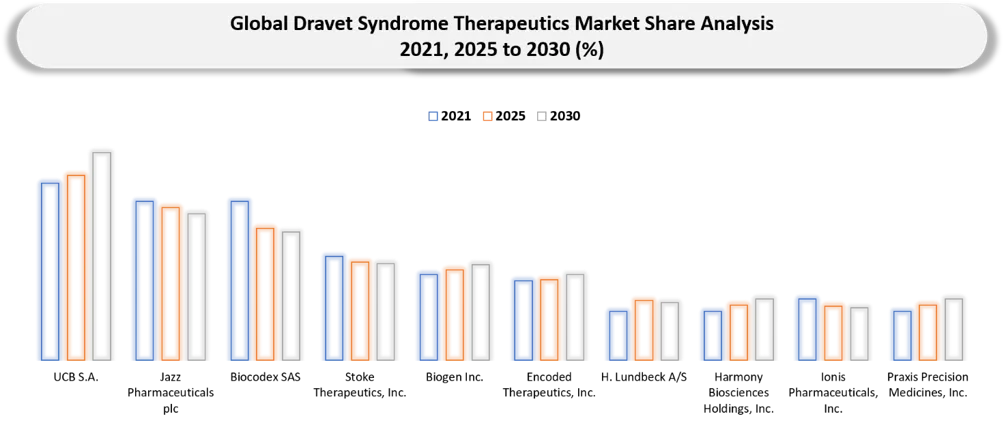
Key Companies of Dravet Syndrome Therapeutics Market
- UCB S.A. (Belgium)
- Jazz Pharmaceuticals plc (Ireland)
- Biocodex SAS (France)
- Stoke Therapeutics, Inc. (United States)
- Biogen Inc. (United States)
- Encoded Therapeutics, Inc. (United States)
- H. Lundbeck A/S (Denmark)
- Harmony Biosciences Holdings, Inc. (United States)
- Ionis Pharmaceuticals, Inc. (United States)
- Praxis Precision Medicines, Inc. (United States)
- Bright Minds Biosciences Inc. (United States)
- Bloom Science, Inc. (United States)
- Xenon Pharmaceuticals Inc. (Canada)
- Emugen Therapeutics, LLC (United States)
- Regel Therapeutics Inc. (United States)
Dravet Syndrome Therapeutics Market Major Pain Points
- Delayed Diagnosis and Inconsistent Genetic Confirmation: Dravet syndrome can initially be misclassified as febrile seizures or other childhood epilepsies. Delayed SCN1A testing, limited access to pediatric epileptologists and uneven referral pathways can postpone syndrome-specific treatment and expose patients to less appropriate antiseizure regimens.
- Persistent Seizure Burden and Risk of Status Epilepticus: Many patients continue to experience frequent convulsive seizures, prolonged seizure episodes and seizure clusters despite multidrug therapy. This creates substantial emergency-care utilization, hospitalization risk and caregiver dependence.
- Heterogeneous Treatment Response: Variability in seizure phenotype, age, genetic background, comorbidities and prior therapy exposure complicates treatment selection. Responses to fenfluramine, cannabidiol, stiripentol, valproate, clobazam and rescue therapies differ considerably across patients.
- Limited Disease-Modifying Treatment Options: Current therapies primarily suppress seizures rather than correcting underlying SCN1A dysfunction. The market still lacks broadly available therapies capable of altering disease progression, developmental trajectory or long-term neurological outcomes.
- Polytherapy Complexity and Long-Term Treatment Burden: Dravet patients frequently require multiple maintenance and rescue therapies. Drug interactions, sedation, appetite changes, hepatic monitoring and cumulative treatment burden can complicate adherence and long-term persistence.
- Limited Comparative and Long-Term Outcome Evidence: Head-to-head evidence between major Dravet therapies remains limited. Gaps around cognition, behavior, developmental outcomes, hospitalization reduction and long-term durability make clinical differentiation and payer assessment more difficult.
- High Caregiver and Family Burden: Continuous seizure monitoring, emergency preparedness, disrupted sleep, developmental support needs and fear of sudden unexpected death in epilepsy create major psychosocial and economic pressure on families.
- Complex Pricing, Reimbursement and Access Requirements: Premium rare-disease therapies, prior authorization, uneven insurance coverage and differences in specialist access constrain treatment uptake across countries, particularly in emerging markets with limited rare-disease reimbursement infrastructure.
Dravet Syndrome Therapeutics Market Recent Developments
- September 2026: Encoded Therapeutics raised US$275 million in Series F financing to advance ETX101 through pivotal development for Dravet syndrome, expand pediatric studies and support commercial-scale manufacturing readiness for its precision genetic medicine platform.
- September 2026: Encoded Therapeutics presented updated Phase 1/2 POLARIS data for ETX101, showing sustained reductions in monthly countable seizure frequency through 52 weeks following a single administration, reinforcing the program’s potential as a disease-modifying gene therapy for Dravet syndrome.
- July 2026: Ionis Pharmaceuticals dosed the first participant in the Phase 1/2 ASCEND study of ION337, an investigational RNA-targeted medicine designed as a potential disease-modifying therapy for people with Dravet syndrome.
- June 2026: Stoke Therapeutics completed enrollment of 162 patients in the pivotal Phase 3 EMPEROR study of zorevunersen, supporting plans to initiate a rolling U.S. New Drug Application submission in the first quarter of 2027.
- March 2026: Stoke Therapeutics and Biogen advanced the clinical evidence base for zorevunersen, with long-term clinical findings supporting its potential to address both convulsive seizures and broader neurodevelopmental manifestations associated with Dravet syndrome.
- January 2026: Encoded Therapeutics received U.S. FDA Breakthrough Therapy Designation for ETX101 for the treatment of Dravet syndrome, strengthening the regulatory pathway for its investigational gene-regulation therapy.
- February 2025: Biogen and Stoke Therapeutics entered a development and commercialization collaboration for zorevunersen, under which Stoke received US$165 million upfront and became eligible for up to US$385 million in development and commercial milestone payments.
Analyst View / Opinion on Dravet Syndrome Therapeutics Market
- The market is shifting from broad-spectrum antiseizure polytherapy toward dravet-specific and precision treatment strategies designed to deliver deeper and more durable seizure control.
- FINTEPLA, EPIDIOLEX/EPIDYOLEX and DIACOMIT continue to strengthen syndrome-specific treatment adoption, while emerging SCN1A-targeted therapies are increasing competitive pressure on established symptomatic treatment pathways.
- Treatment selection will increasingly depend on seizure type, frequency, status epilepticus risk, age, genetic confirmation, previous treatment response, comorbidities, drug-interaction profile, safety and caregiver preference.
- Antisense oligonucleotides, gene-regulation therapies, RNA-based medicines and selective ion-channel modulators could diversify treatment beyond the current antiseizure-focused therapeutic landscape.
- Sustainable market leadership will require evidence demonstrating durable convulsive-seizure reduction, fewer prolonged seizure events, improved developmental and behavioral outcomes, reduced hospitalization and manageable long-term safety.
- Commercial success will depend on specialist neurologist engagement, earlier genetic diagnosis, treatment-sequencing evidence, reliable specialty distribution, patient-support infrastructure and payer-focused data demonstrating measurable clinical, caregiver and health-economic value.
Dravet Syndrome Therapeutics Market Target Audience
| INDUSTRY | WHO SHOULD BUY THIS REPORT? | REASON TO BUY THIS REPORT |
| Pharmaceutical and Biotechnology Companies | Approved-drug manufacturers, rare-disease therapy developers, epilepsy-focused biotech firms, gene-therapy and RNA-therapy companies | Assess commercial potential, competitive intensity, treatment gaps, pipeline positioning, partnering opportunities and lifecycle-expansion strategies across approved and emerging Dravet therapies. |
| Diagnostic and Genetic Testing Companies | Genetic-testing laboratories, epilepsy-diagnostics providers, genomic-platform companies and digital-diagnosis solution developers | Identify opportunities linked to earlier SCN1A confirmation, referral-pathway strengthening, companion-diagnostic relevance and integration of diagnosis with treatment initiation. |
| Digital Health and Monitoring Companies | Seizure-monitoring platform providers, wearable-device developers, remote-care software companies and caregiver-support app providers | Evaluate demand for seizure tracking, remote monitoring, adherence support, digital evidence generation and patient-management tools within rare pediatric epilepsy care pathways. |
| Healthcare Providers | Pediatric neurologists, epileptologists, tertiary epilepsy centers, children’s hospitals and multidisciplinary rare-disease care teams | Understand treatment evolution, patient stratification, therapy sequencing, rescue-treatment protocols, referral dynamics and long-term management requirements for Dravet patients. |
| Payers and Market Access Organizations | Health insurers, pharmacy benefit managers, government payers, health-technology assessment bodies and reimbursement consultants | Evaluate budget impact, comparative clinical value, eligible patient pools, prior-authorization requirements and reimbursement implications of premium specialty and emerging disease-modifying therapies. |
| Patient Advocacy and Support Organizations | Rare-epilepsy foundations, patient-support groups, caregiver organizations and nonprofit disease-awareness bodies | Understand unmet patient needs, access barriers, treatment burden, caregiver impact and emerging therapeutic options that may improve disease control and quality of life. |
| Government and Regulatory Bodies | Drug regulators, public-health agencies, rare-disease policymakers, reimbursement authorities and pediatric-health institutions | Support orphan-drug assessment, reimbursement planning, treatment-access policy, pediatric-development oversight and rare-disease infrastructure planning. |
| Investors and Financial Institutions | Venture-capital firms, private-equity investors, institutional investors, healthcare-focused funds and investment banks | Evaluate pipeline maturity, clinical and regulatory risk, commercialization potential, licensing prospects, market-entry timing and long-term value-creation opportunities in rare-neurology assets. |
| Market Research and Consulting Firms | Strategy consultancies, competitive-intelligence teams, commercial-due-diligence providers and healthcare advisory firms | Benchmark market attractiveness, map white-space opportunities, support go-to-market planning and build evidence-backed strategic recommendations for clients in rare-disease therapeutics. |
| Research Organizations | Clinical research organizations, academic neurology centers, translational-research institutes and university hospitals | Analyze clinical-trial activity, patient-recruitment feasibility, biomarker opportunities, natural-history evidence gaps and future research priorities in Dravet syndrome. |
Why Choose DATAM?
- Data-Driven Insights: Access granular Dravet syndrome therapeutics intelligence covering market size, treatment-type shares, diagnosed and treatable patient populations, therapy utilization, route of administration, age-group dynamics, clinical pipelines, competitive positioning and regional access patterns, supported by primary interviews and secondary research from validated healthcare sources.
- Post-Purchase Support and Expert Analyst Consultations: Engage directly with our healthcare analysts for customized guidance on patient segmentation, therapy sequencing, portfolio positioning, market entry, competitor assessment, reimbursement strategy, launch planning and commercialization of approved and emerging Dravet therapies.
- White Papers and Case Studies: Receive periodic insights on Dravet treatment innovation, SCN1A-targeted therapies, antisense oligonucleotides, gene-regulation approaches, rescue therapies, regulatory developments, clinical readouts, reimbursement trends and evolving neurologist prescribing behavior.
- Annual Updates on Purchased Reports: Stay informed through annual updates covering regulatory approvals, pivotal clinical-trial results, pipeline progression, label expansions, licensing agreements, pricing developments, market-access changes and competitive shifts. Terms and conditions apply.
- Specialized Focus on Emerging Markets: Gain country-specific intelligence on diagnosed patient pools, genetic-testing access, specialist neurology availability, Dravet-specific therapy adoption, reimbursement conditions, rare-disease infrastructure and commercial opportunities across high-growth emerging markets.
- Value of DataM Reports: Obtain tailored intelligence addressing specific business questions related to treatment-refractory patients, seizure-control durability, status epilepticus prevention, combination therapy, therapy switching, long-term treatment burden, disease-modifying pipeline disruption, market access and investment priorities beyond generic healthcare databases.
What DATAM Uniquely Provides
- In-depth segmentation of the dravet syndrome therapeutics market by treatment type, drug, route of administration, dosage form, patient age group, therapy line, prescription type, disease severity, end user, distribution channel and region.
- Competitive analysis of leading dravet syndrome therapeutics companies covering seizure-reduction efficacy, status epilepticus control, developmental outcomes, treatment durability, safety, mechanism of action, dosing convenience, pipeline maturity, regulatory positioning and commercialization strategy.
- Comprehensive assessment of diagnosed and treatment-eligible populations, including pediatric and adult patients, treatment-refractory populations, genetically confirmed SCN1A cases, prior-treatment status, seizure burden, therapy-line positioning, comorbidities, unmet clinical needs and regional access dynamics.
- Actionable intelligence on pricing, reimbursement, regulatory pathways, treatment-response assessment, therapy sequencing, patient-support programs, market-access barriers, licensing activity, strategic partnerships and investment opportunities across established and emerging Dravet therapies.
- Analyst forecasts highlighting high-growth therapeutic approaches, commercially attractive patient groups, regional expansion opportunities and emerging competitive threats across fenfluramine, cannabidiol, stiripentol, conventional antiseizure therapies, RNA-targeted medicines, gene-regulation therapies, ion-channel modulators and other precision neurology approaches.