


Diabetic Retinopathy Market Size
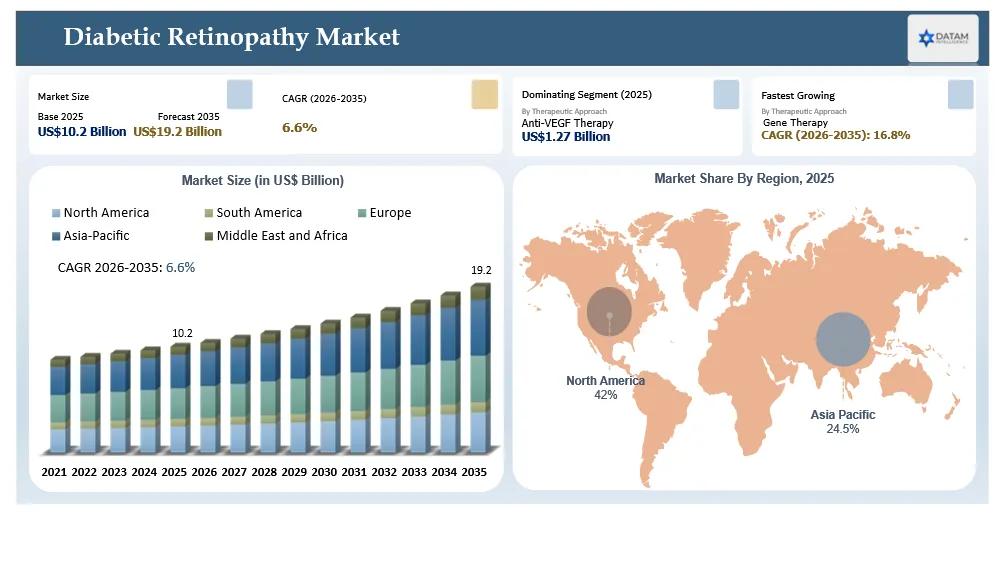
The global diabetic retinopathy market reached US$10.2 billion in 2025 and is expected to reach US$19.2 billion by 2035, growing with a CAGR of 6.6% during the forecast period 2026-2035.
The global diabetic retinopathy market is evolving from a predominantly anti-VEGF-driven treatment landscape toward a more diversified therapeutic environment focused on durability, earlier intervention and reduced treatment burden. Established products such as EYLEA, EYLEA HD and LUCENTIS continue to anchor treatment, while growing biosimilar penetration is increasing pricing pressure and expanding access. Market development is increasingly influenced by the need to prevent progression from non-proliferative to proliferative diabetic retinopathy, improve long-term retinal outcomes and reduce dependence on frequent intravitreal injections. Pipeline activity is expanding across sustained-release implants, long-acting biologics, gene therapies, oral agents and non-VEGF mechanisms targeting retinal ischemia, inflammation and vascular dysfunction. North America remains the leading regional market, while Asia-Pacific offers strong growth potential due to expanding diabetes populations and improving ophthalmology access. Future competition will increasingly depend on durability, ocular safety, progression prevention, convenient administration and credible disease-modifying potential.
Diabetic Retinopathy Key Takeaways
- Anti-VEGF therapies remain the treatment backbone, with EYLEA, EYLEA HD and LUCENTIS anchoring the market while biosimilars increase pricing and formulary pressure.
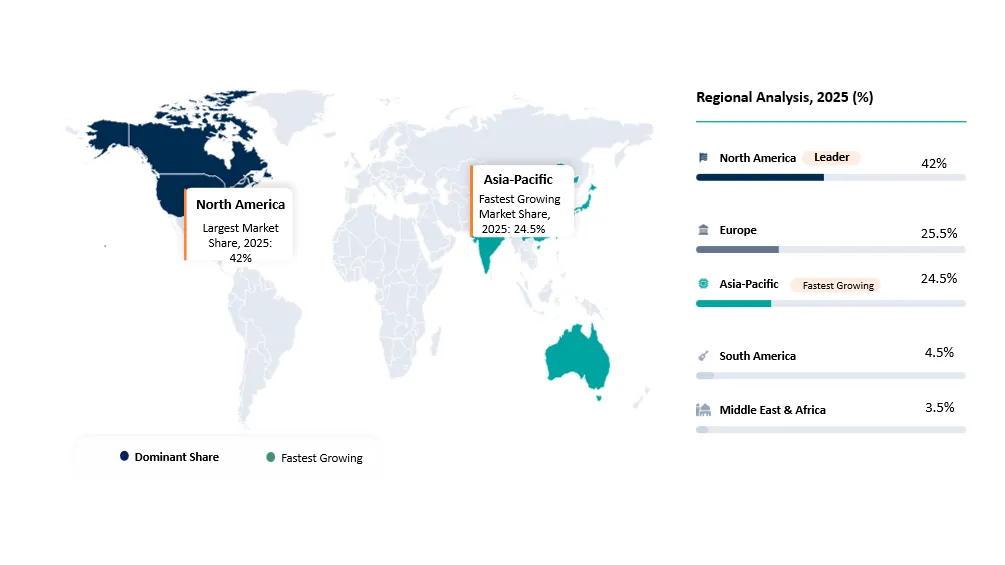
- North America remains the largest regional market, supported by high biologic utilization, strong reimbursement, established retina-specialist networks and rapid adoption of advanced retinal therapies.
- Asia-Pacific represents the fastest-growing region, driven by large diabetes populations, improving retinal-screening coverage and expanding access to ophthalmology care and biosimilars.
- High-risk NPDR is emerging as a major commercial opportunity, as treatment strategies increasingly move toward earlier intervention and prevention of progression to PDR.
- Long-acting biologics, sustained-release implants and gene therapies are reshaping pipeline competition, with durability and lower injection frequency becoming central differentiation factors.
- Non-VEGF mechanisms are gaining strategic importance, particularly approaches targeting retinal ischemia, vascular dysfunction, inflammation and neurovascular injury.
- Future market leadership will depend on durable DRSS improvement, progression prevention, ocular safety, reduced treatment burden and credible disease-modifying potential.
Diabetic Retinopathy Industry Trends and Strategic Insights
- Increasing adoption of longer-acting anti-VEGF therapies is expanding treatment options across NPDR and PDR while strengthening demand for reduced injection frequency and improved treatment persistence.
- Advancement of late-stage sustained-delivery and gene-therapy programs is creating new commercial opportunities across extended VEGF suppression, VEGFR inhibition and potentially one-time treatment approaches.
- Persistent injection burden and variable treatment response are accelerating development of therapies capable of delivering durable retinal control while reducing clinic visits and repeated intravitreal administration.
- Growing emphasis on disease modification is shifting investment toward therapies targeting retinal ischemia, vascular dysfunction, inflammation and neurovascular injury beyond conventional VEGF suppression.
- Market participants are intensifying partnerships, licensing and strategic collaborations to strengthen retinal pipelines, access differentiated mechanisms and improve positioning ahead of the next wave of diabetic retinopathy therapeutic launches.
Diabetic Retinopathy Market Scope
| Metrics | Details | |
| 2025 Market Size | US$10.2 Billion | |
| 2035 Projected Market Size | US$19.2 Billion | |
| CAGR (2026-2035) | 6.6% | |
| Largest Market | North America | |
| Fastest Growing Market | Asia-Pacific | |
| By Disease Stage | Mild Non-Proliferative Diabetic Retinopathy, Moderate Non-Proliferative Diabetic Retinopathy, Severe Non-Proliferative Diabetic Retinopathy and Proliferative Diabetic Retinopathy | |
| By Therapeutic Approach | Anti-VEGF Therapy, Dual VEGF-A/Angiopoietin-2 Inhibition, Corticosteroid Therapy, Retinal Vascular-Modulating Therapy, Anti-Inflammatory Therapy, Metabolic Pathway-Modulating Therapy, Gene Therapy and Others | |
| By Product Type | Originator Biologics, Biosimilars, Small Molecules, Sustained-Release Implants and Inserts, Gene Therapy Products and Others | |
| By Route of Administration | Intravitreal, Suprachoroidal, Subretinal, Oral, Topical Ophthalmic and Others | |
| By Diabetes Type | Type 1 Diabetes-Associated Diabetic Retinopathy and Type 2 Diabetes-Associated Diabetic Retinopathy | |
| By Diabetic Macular Edema Status | DR Without DME, DR With Non-Center-Involved DME, DR With Center-Involved DME and Others | |
| By Treatment Response Status | Adequate Responders, Inadequate Responders, Treatment-Intolerant Patients and Others | |
| By Treatment Line | First-Line Therapy, Subsequent-Line Therapy and Others | |
| By End User | Hospitals, Ophthalmology Clinics, Retina Specialty Centers, Ambulatory Surgical Centers and Others | |
| By Distribution Channel | Hospital Pharmacies, Specialty Pharmacies, Retail Pharmacies, Direct Institutional Supply and Others | |
| By Region | North America | U.S., Canada, Mexico |
| Europe | Germany, UK, France, Spain, Italy, Poland | |
| Asia-Pacific | China, India, Japan, Australia, South Korea, Indonesia, Malaysia, Singapore, Vietnam, Thailand, Philippines, Taiwan | |
| South America | Brazil, Argentina | |
| Middle East and Africa | Israel, Saudi Arabia, UAE, Turkiye, South Africa, Nigeria | |
| Report Insights Covered | Competitive Landscape Analysis, Company Profile Analysis, Market Size, Share, Growth | |
Why does this report matter in 2026?
2026 represents a critical inflection point for the Diabetic Retinopathy Market as competition shifts from conventional, frequently administered anti-VEGF therapy toward longer-duration biologics, sustained-release delivery and potentially one-time gene therapy. In March 2026, Kodiak reported positive Phase 3 GLOW2 results for Zenkuda, with 62.5% of treated patients achieving at least a 2-step DRSS improvement and an 85% reduction in sight-threatening complications versus sham, supporting an accelerated path toward BLA submission. In June 2026, REGENXBIO and AbbVie initiated the Phase 2/3 NAAVIGATE trial of surabgene lomparvovec, advancing a potentially one-time gene therapy for DR.
The competitive benchmark is also shifting toward durability, earlier NPDR intervention, progression prevention and lower injection burden. Ocular Therapeutix is advancing AXPAXLI in the Phase 3 HELIOS-3 program, evaluating an annual-treatment paradigm in NPDR. This report matters in 2026 because companies require timely intelligence on pipeline differentiation, regulatory progress, biosimilar pressure, treatment durability and emerging white spaces to prioritize assets, anticipate disruption and position therapies for the next generation of diabetic retinopathy care.
Diabetic Retinopathy Market White Space & Investment Opportunities
- High-Risk NPDR and Suboptimal Anti-VEGF Response represent major white-space opportunities for therapies capable of preventing progression to PDR, improving DRSS outcomes and delivering durable benefit beyond conventional anti-VEGF treatment. Development of Zenkuda, AXPAXLI and surabgene lomparvovec highlights growing investment interest in earlier-stage intervention.
- Long-Acting and Low-Frequency Treatment Platforms remain high-value investment areas, particularly sustained-release implants, higher-durability biologics and gene therapies capable of reducing repeated intravitreal injections, clinic visits and long-term treatment burden.
- Non-VEGF Therapeutic Mechanisms offer attractive opportunities for agents targeting retinal ischemia, endothelial dysfunction, inflammation and neurovascular injury, where conventional VEGF suppression may provide incomplete biological control.
- Disease-Modifying Therapies represent one of the largest strategic white spaces, with investment increasingly directed toward approaches capable of stabilizing retinal vasculature, improving perfusion, limiting irreversible retinal damage and preventing progression toward vision-threatening disease.
- Oral, Gene-Based and Novel Delivery Strategies are creating new investment opportunities across AOC3/VAP-1, Sema3A, endothelin, Ref-1, integrin and sustained VEGFR pathways, enabling developers to compete beyond conventional intravitreal anti-VEGF therapy.
Diabetic Retinopathy Market Future Market Transformation
The diabetic retinopathy market is expected to undergo substantial transformation over the coming decade as treatment moves from frequent short-acting anti-VEGF injections toward longer-duration, mechanism-driven and potentially disease-modifying approaches. Future competition will increasingly focus on earlier intervention in high-risk NPDR, prevention of progression to PDR, reduction in injection burden and improved long-term retinal vascular stability. Emerging therapies involving sustained VEGF or VEGFR suppression, gene therapy, oral agents and non-VEGF mechanisms such as Sema3A, AOC3/VAP-1, endothelin, Ref-1 and integrin pathways are broadening the therapeutic landscape.
The competitive benchmark is also expected to move beyond short-term anatomic and visual improvement toward durable DRSS improvement, prevention of vision-threatening events, extended dosing intervals and preservation of retinal function. As more advanced assets progress, market leadership will depend not only on efficacy, but also on ocular safety, treatment convenience, real-world persistence, reimbursement value and the ability to intervene before irreversible retinal damage occurs. This evolution is likely to make diabetic retinopathy treatment increasingly earlier-stage focused, durability-driven and outcome-oriented.
Diabetic Retinopathy Market Buyer Decision-Making Criteria
- Clinical Efficacy Across DRSS Improvement and Visual Outcomes
- Prevention of NPDR-to-PDR Progression and Vision-Threatening Complications
- Ocular and Systemic Safety Profile
- Durability of Response and Reduced Injection Frequency
- Effectiveness in Treatment-Naïve and Anti-VEGF-Experienced Patients
- Route of Administration, Dosing Convenience and Monitoring Requirements
Diabetic Retinopathy Market Economic & Investment Analysis
The Diabetic Retinopathy Market offers attractive investment potential because of the large diabetes population, chronic treatment requirements, persistent unmet need and increasing differentiation around durability, injection burden, progression prevention and earlier intervention. Established anti-VEGF franchises benefit from strong physician familiarity, regulatory validation and entrenched prescribing patterns, while newer entrants face meaningful barriers related to ocular safety, clinical differentiation and the need to demonstrate advantages over existing biologics and biosimilars. Investment interest is increasingly shifting toward therapies capable of extending dosing intervals, reducing clinic visits and addressing retinal vascular dysfunction beyond short-term VEGF suppression.
From an economic perspective, development across long-acting anti-VEGF therapies, sustained-release implants, gene therapies, oral agents and non-VEGF mechanisms is broadening the future value pool and creating opportunities for licensing, acquisition and strategic partnerships. Assets targeting high-risk NPDR, treatment burden and disease progression may command stronger strategic value because these areas retain substantial unmet need. Future investment attractiveness will increasingly depend on regulatory progress, durable DRSS improvement, ocular safety, payer acceptance, manufacturing scalability and credible prevention of progression to vision-threatening disease.
Diabetic Retinopathy Market Trends
- Growing Shift Toward Longer-Acting Anti-VEGF Therapies as developers prioritize extended durability, fewer intravitreal injections and improved treatment persistence.
- Rising Investment in Non-VEGF Targeted Mechanisms including Sema3A, AOC3/VAP-1, endothelin, Ref-1, integrin and other retinal vascular pathways.
- Increasing Focus on Earlier High-Risk NPDR Intervention to prevent progression toward proliferative diabetic retinopathy and reduce vision-threatening complications.
- Greater Emphasis on Disease-Modifying Therapies aimed at improving retinal vascular stability, reducing ischemic injury, preserving neurovascular function and preventing irreversible retinal damage.
Strategic Indicators for Diabetic Retinopathy Market
High Regulation Impact
The diabetic retinopathy market is characterized by a high regulatory impact because new therapies must demonstrate clinically meaningful efficacy, acceptable ocular safety and durable benefit across different stages of retinal disease. regulatory evaluation increasingly focuses on endpoints such as Diabetic Retinopathy Severity Scale improvement, prevention of progression to proliferative diabetic retinopathy, visual-acuity preservation, treatment durability and reduction in vision-threatening complications. Developers must also address risks associated with repeated intravitreal administration, intraocular inflammation, retinal vascular events and long-term treatment exposure. The presence of established anti-VEGF therapies raises the efficacy and safety benchmark for new entrants, while sustained-release implants, gene therapies and non-VEGF approaches require clear evidence of differentiation. Regulatory success will increasingly depend on durable responses, favorable benefit-risk profiles, reduced treatment burden and credible prevention of disease progression.
High Investment Activity
Investment activity in the diabetic retinopathy market is increasing as pharmaceutical and bioTreatment Response Status companies expand development beyond conventional anti-VEGF therapy toward long-acting biologics, sustained-release implants, gene therapies, oral agents and novel vascular targets. Capital is increasingly directed toward programs designed to improve treatment durability, reduce injection frequency and intervene earlier in high-risk NPDR. Emerging mechanisms involving Sema3A, AOC3/VAP-1, endothelin signaling, Ref-1 and integrin pathways are broadening the innovation landscape beyond VEGF suppression. Strategic partnerships, licensing agreements and acquisitions are also strengthening access to retinal drug-delivery technologies and differentiated clinical assets. Investment priorities are shifting toward therapies capable of producing sustained DRSS improvement, preventing NPDR-to-PDR progression and reducing long-term clinic burden. Companies demonstrating scalable manufacturing, strong ocular safety and credible disease-modifying potential are likely to attract the greatest strategic and financial interest.
Supply Chain Disruption
The diabetic retinopathy market faces moderate supply chain vulnerability because many therapies depend on complex biologic manufacturing, sterile injectable production, ophthalmic-grade fill-finish operations and tightly controlled distribution systems. Anti-VEGF biologics and biosimilars require validated manufacturing processes, high-quality raw materials and stringent regulatory compliance, while emerging sustained-release implants and gene therapies introduce additional production complexity. Disruptions in biologic manufacturing capacity, sterile fill-finish availability, cold-chain logistics or qualified supplier networks can affect product continuity and regional availability. Biosimilar expansion may improve supply diversification, although manufacturers must still maintain consistent quality and regulatory comparability across markets. Companies with diversified manufacturing footprints, validated backup suppliers, reliable cold-chain infrastructure and scalable production capabilities are therefore better positioned to reduce supply-related risk and support uninterrupted treatment access.
Pricing Volatility
The diabetic retinopathy market is characterized by high treatment costs and increasing pricing pressure rather than commodity-style price volatility. Pricing is influenced by clinical differentiation, dosing frequency, durability, reimbursement coverage, biosimilar competition and total treatment burden. Expanding availability of ranibizumab and aflibercept biosimilars is increasing payer scrutiny and strengthening pressure on originator anti-VEGF brands. As longer-acting biologics, sustained-release implants, gene therapies and non-VEGF treatments enter the market, manufacturers will need to justify premium pricing through superior durability, fewer injections, improved DRSS outcomes, better progression prevention or lower overall care costs. Rebates, formulary placement, physician buy-and-bill economics and payer contracting are likely to have a growing influence on realized pricing. Competitive advantage will increasingly depend on demonstrating measurable clinical value while reducing long-term treatment and monitoring costs.
Procurement Pressure
The diabetic retinopathy market faces medium-to-high procurement pressure as hospitals, retina clinics, specialty pharmacies and payers increasingly evaluate therapies based on clinical efficacy, dosing frequency, total treatment cost, reimbursement coverage and long-term value. Procurement decisions are influenced by DRSS improvement, prevention of NPDR-to-PDR progression, durability of response, injection burden, ocular safety and real-world treatment persistence. The growing availability of ranibizumab and aflibercept biosimilars is increasing formulary comparison and strengthening payer pressure on established anti-VEGF brands, particularly where products compete for similar patient populations. As longer-acting biologics, sustained-release implants, gene therapies and non-VEGF treatments enter the market, manufacturers will need stronger pharmacoeconomic evidence, reliable supply, competitive contracting and clear differentiation in treatment burden and outcomes. Procurement advantage is therefore likely to shift toward therapies that demonstrate durable efficacy, fewer clinic visits, predictable reimbursement and lower overall cost of long-term retinal disease management.
FDA Approvals
| Brand and Generic Name | Sponsor | Current Owner | Approval Date | MOA |
| LUCENTIS (Ranibizumab) | Genentech, Inc. | Genentech, Inc. / Roche Group | April, 2017 | Humanized anti-VEGF-A Fab fragment that binds biologically active VEGF-A isoforms and prevents VEGFR-1/VEGFR-2 activation, thereby reducing retinal vascular permeability, endothelial proliferation and pathological neovascularization. |
| EYLEA (Aflibercept) | Regeneron Pharmaceuticals, Inc. | Regeneron Pharmaceuticals, Inc. | May, 2019 | Recombinant VEGF-receptor fusion protein that functions as a high-affinity soluble decoy receptor for VEGF-A and placental growth factor, preventing ligand activation of endogenous VEGF receptors and suppressing retinal angiogenesis and vascular leakage. |
| CIMERLI (Ranibizumab-eqrn) | Coherus BioSciences, Inc. | Sandoz Inc. | August, 2022 | Ranibizumab biosimilar that neutralizes VEGF-A before receptor engagement, reducing VEGF-driven endothelial-cell proliferation, vascular permeability and abnormal retinal neovascularization. |
| EYLEA HD (Aflibercept 8 mg) | Regeneron Pharmaceuticals, Inc. | Regeneron Pharmaceuticals, Inc. | August, 2023 | High-dose aflibercept formulation providing greater intraocular molar exposure while retaining the VEGF-trap mechanism of aflibercept through sequestration of VEGF-A and placental growth factor and inhibition of downstream VEGFR signaling. |
| YESAFILI (Aflibercept-jbvf) | Biocon Biologics Ltd. | Biocon Biologics Ltd. | May, 2024 | Aflibercept biosimilar acting as a soluble VEGF receptor decoy that captures VEGF-A and placental growth factor, limiting receptor-mediated angiogenic signaling and retinal vascular hyperpermeability. |
| OPUVIZ (Aflibercept-yszy) | Samsung Bioepis Co., Ltd. | Samsung Bioepis Co., Ltd. | May, 2024 | Aflibercept biosimilar that competitively sequesters VEGF-A and placental growth factor, preventing their interaction with cell-surface VEGF receptors and thereby suppressing pathological retinal angiogenesis. |
| AHZANTIVE (Aflibercept-mrbb) | Formycon AG | Klinge Biopharma GmbH | June, 2024 | Aflibercept biosimilar with high-affinity ligand-trapping activity against VEGF-A and placental growth factor, reducing VEGFR-mediated endothelial activation, neovascularization and vascular leakage. |
| ENZEEVU (Aflibercept-abzv) | Sandoz Inc. | Sandoz Group AG | August, 2024 | VEGF-trap biosimilar that binds circulating VEGF-A and placental growth factor before receptor activation, attenuating pro-angiogenic signaling and abnormal retinal vascular permeability. |
| PAVBLU (Aflibercept-ayyh) | Amgen Inc. | Amgen Inc. | August, 2024 | Aflibercept biosimilar that forms inactive complexes with VEGF-A and placental growth factor, thereby inhibiting VEGFR signaling responsible for pathological angiogenesis and increased vascular permeability. |
| EYDENZELT (Aflibercept-boav) | Celltrion, Inc. | Celltrion, Inc. | October, 2025 | Aflibercept biosimilar that acts extracellularly as a ligand sink for VEGF-A and placental growth factor, reducing angiogenic stimulation and stabilization failure within the retinal microvasculature. |
| NUFYMCO (Ranibizumab-leyk) | Formycon AG / Bioeq AG | Formycon / Bioeq; Zydus Lifesciences is U.S. commercialization partner | December, 2025 | Ranibizumab biosimilar comprising an anti-VEGF-A monoclonal antibody fragment that blocks VEGF-A interaction with VEGFR-1 and VEGFR-2, thereby reducing endothelial proliferation and retinal vascular leakage. |
RANLUSPEC (Ranibizumab-hkdz)
| Lupin Limited
| Lupin Limited
| June, 2026 | Ranibizumab biosimilar that selectively binds VEGF-A and inhibits downstream VEGF-receptor signaling associated with pathological neovascularization and increased permeability of retinal vessels. |
Regional Expansion Opportunity
The diabetic retinopathy market offers significant regional expansion opportunities as diabetes prevalence rises, retinal-screening coverage improves and access to ophthalmology services broadens across major healthcare markets. north america remains the most commercially mature region, supported by established retina-specialist networks, strong reimbursement, high anti-VEGF utilization and early adoption of long-acting retinal therapies and biosimilars. Europe presents additional opportunity through organized diabetic-eye screening programs, broad specialist access and increasing biosimilar penetration, although reimbursement and treatment pathways remain country-specific. Asia-Pacific, particularly China and Japan, represents the strongest long-term expansion opportunity, driven by large diabetes populations, improving retinal-screening infrastructure, increasing access to biologics and expanding adoption of advanced ophthalmic care. Future regional growth will depend on local reimbursement, treatment affordability, specialist availability, screening participation and manufacturer ability to build country-specific commercialization strategies. Companies offering durable, cost-efficient and lower-burden therapies are likely to gain the strongest advantage across emerging and high-growth markets.
Government Policy Support
The diabetic retinopathy market benefits from government policies focused on diabetes prevention, early retinal screening, blindness reduction and improved access to ophthalmic care. National diabetes-control programs increasingly promote routine eye examinations and earlier identification of diabetic retinal complications, expanding the diagnosed and treatment-eligible population. Public investment in digital retinal imaging, teleophthalmology and AI-assisted screening is also improving access in underserved and remote settings.
Regulatory pathways supporting biologics, biosimilars, sustained-release technologies and advanced therapies encourage continued innovation while expanding competition and treatment affordability. Government reimbursement programs and national health systems play a critical role in determining access to intravitreal anti-VEGF therapies and specialist retinal care, particularly because repeated treatment can create substantial long-term costs. Policies supporting biosimilar adoption can further reduce financial barriers and broaden treatment penetration. As governments strengthen diabetes-management programs, screening infrastructure and preventable-blindness initiatives, policy support is expected to remain an important driver of earlier diagnosis, treatment uptake and regional market expansion.
Pipeline Analysis
| Sponsor | Intervention | Clinical Stage | MoA | RoA | Modality | |||
| Kodiak Sciences | Zenkuda (Tarcocimab Tedromer / KSI-301) | Phase 3 - Completed | VEGF-A inhibition using an antibody-biopolymer conjugate designed for prolonged VEGF suppression | Intravitreal | Antibody-Biopolymer Conjugate | |||
| Ocular Therapeutix | AXPAXLI (OTX-TKI / Axitinib Implant) | Phase 3 | Sustained VEGFR-1, VEGFR-2 and VEGFR-3 tyrosine kinase inhibition, suppressing VEGF-mediated retinal vascular pathology | Intravitreal | Small Molecule Sustained-Release Implant | |||
| AbbVie / REGENXBIO | Surabgene Lomparvovec (Sura-vec / ABBV-RGX-314) | Phase 2/3 | AAV8-mediated delivery of a gene encoding an anti-VEGF Fab for sustained intraocular VEGF inhibition | Suprachoroidal | AAV Gene Therapy | |||
| Beletalent (Zhuhai) Pharmaceutical | Tangning Tongluo Tablets (TNTL) | Phase 3 | Multicomponent modulation of retinal microvascular dysfunction and inflammatory pathways | Oral | Multicomponent Botanical Therapy | |||
Jaeb Center for Health Research / DRCR Retina Network | Fenofibrate | Phase 3 | PPAR-α activation modulates lipid metabolism, inflammation and endothelial signaling associated with retinal microvascular injury | Oral | Small Molecule | |||
| Boehringer Ingelheim | BI 764524 | Phase 2 | Sema3A inhibition designed to reduce ischemia-associated retinal vascular dysfunction and support physiological revascularization | Intravitreal | Monoclonal Antibody | |||
| Vantage Biosciences | Oruvestat (VX-01) | Phase 2 | Selective AOC3/VAP-1 inhibition reduces leukocyte trafficking and vascular inflammatory signaling | Oral | Small Molecule | |||
Bayer / Perfuse Therapeutics | PER-001 | Phase 2 - Completed | Endothelin receptor antagonism designed to improve retinal perfusion and reduce ischemia-associated retinal injury | Intravitreal | Small Molecule Sustained-Release Implant | |||
Opus Genetics / Ocuphire Pharma | APX3330 | Phase 2 - Completed; Phase 3-Ready | APE1/Ref-1 redox inhibition suppresses inflammatory and angiogenic transcriptional signaling including HIF-1α, NF-κB and AP-1 | Oral | Small Molecule | |||
| Bayer | Runcaciguat (BAY 1101042) | Phase 2 - Completed | Soluble guanylate cyclase activation increases cGMP signaling and supports retinal microvascular function | Oral | Small Molecule | |||
| EyePoint Pharmaceuticals | DURAVYU (EYP-1901 / Vorolanib) | Phase 2 - Completed | Sustained pan-VEGFR tyrosine kinase inhibition suppresses VEGF-driven angiogenesis and vascular leakage | Intravitreal | Small Molecule Sustained-Release Insert | |||
| OcuTerra Therapeutics | Nesvategrast (OTT166) | Phase 2 -Completed | Inhibition of RGD-binding integrins involved in angiogenesis, vascular permeability, inflammation and fibrosis | Ophthalmic | Small Molecule | |||
| Boehringer Ingelheim | BI 765128 | Phase 1/2 | NRP1 inhibition designed to modulate pathological retinal vascular signaling | Intravitreal | Monoclonal Antibody | |||
| Hoffmann-La Roche | RO7663498 | Phase 1 | Molecular target and detailed mechanism have not yet been publicly disclosed sufficiently for confident assignment | Intravitreal | Investigational Biologic | |||
AI Impact Analysis of the Diabetic Retinopathy Market
The growing use of artificial intelligence and advanced analytics is increasingly influencing the diabetic retinopathy market across retinal screening, image interpretation, patient stratification, biomarker discovery and clinical-trial design. AI-enabled analysis of fundus photography, optical coherence tomography and longitudinal clinical datasets can support earlier detection of diabetic retinopathy, automated severity grading and identification of patients at greater risk of progression from NPDR to PDR.
These capabilities are becoming increasingly relevant as therapeutic development expands beyond conventional anti-VEGF treatment toward long-acting delivery systems, gene therapies and non-VEGF mechanisms targeting retinal ischemia, inflammation and vascular dysfunction. AI-based predictive models may also help identify likely treatment responders, optimize trial enrollment and monitor disease progression more efficiently. Over time, integration of AI into screening and treatment pathways could expand the diagnosed patient pool, support earlier intervention and improve treatment personalization, potentially increasing adoption of advanced diabetic retinopathy therapies.
Disruption Analysis of Diabetic Retinopathy Market
The diabetic retinopathy market is undergoing competitive disruption as treatment moves beyond conventional short-acting anti-VEGF injections toward longer-duration biologics, sustained-release implants, gene therapies, oral agents and non-VEGF mechanisms. Competitive differentiation is increasingly shaped by treatment durability, DRSS improvement, prevention of NPDR-to-PDR progression, reduced injection burden and the ability to intervene earlier in high-risk patients.
Late-stage development of Zenkuda, AXPAXLI and surabgene lomparvovec is raising the competitive benchmark through extended VEGF suppression and potentially one-time or infrequently administered treatment approaches. At the same time, emerging mechanisms targeting Sema3A, AOC3/VAP-1, endothelin signaling, Ref-1 and integrin pathways could challenge established anti-VEGF treatment sequencing if they demonstrate broader vascular stabilization or disease-modifying benefit. Competitive advantage is therefore shifting toward companies capable of combining durable efficacy, strong ocular safety, lower treatment frequency and credible prevention of progression toward vision-threatening diabetic retinopathy..
Diabetic Retinopathy Market BCG Matrix: Company Evaluation
STAR
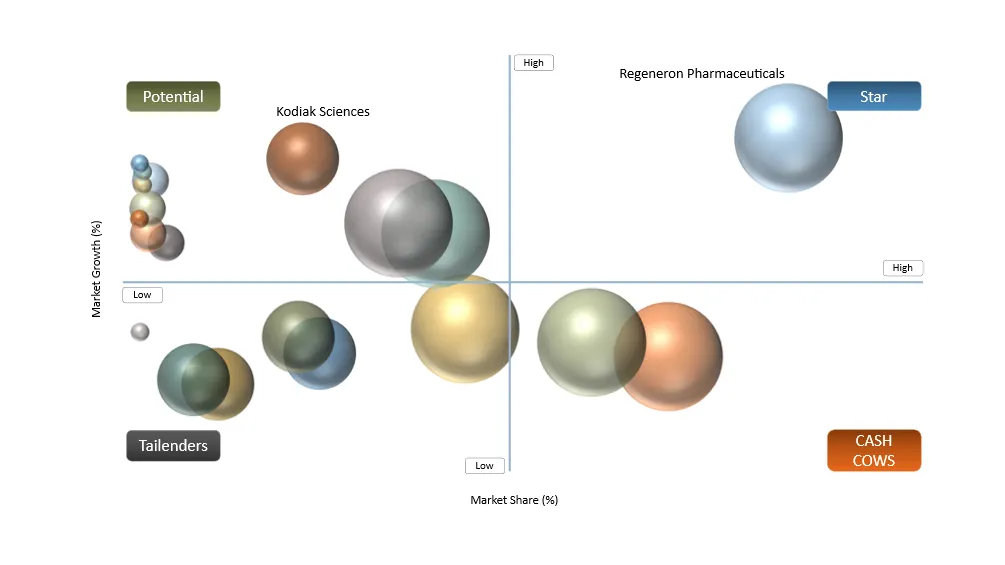
Regeneron Pharmaceuticals and Roche represent the Star quadrant of the diabetic retinopathy competitive landscape, supported by established retinal franchises, strong physician recognition, broad commercial reach and extensive clinical evidence. Regeneron maintains a leading position through EYLEA and EYLEA HD, while Roche remains strongly positioned through LUCENTIS and its broader ophthalmology capabilities. Both companies benefit from mature specialist networks, reimbursement experience and substantial investment capacity. Their competitive priorities increasingly center on extending treatment durability, defending share against biosimilars and strengthening lifecycle management. Continued innovation, real-world evidence generation and differentiated dosing strategies are critical to sustaining leadership as retinal treatment competition intensifies.
POTENTIAL
Kodiak Sciences and Ocular Therapeutix represent high-potential players because their development strategies directly target major unmet needs in diabetic retinopathy, particularly treatment durability and reduced injection burden. Kodiak’s Zenkuda is positioned around prolonged VEGF inhibition, while Ocular Therapeutix is developing AXPAXLI as a sustained intravitreal delivery platform. Both companies could disrupt established treatment patterns if late-stage programs demonstrate durable efficacy, favorable ocular safety and meaningful reductions in treatment frequency. Their commercial potential remains dependent on regulatory execution, manufacturing scalability, physician acceptance and differentiation from established anti-VEGF brands. Successful development could elevate both companies into stronger competitive positions within next-generation retinal therapeutics.
Diabetic Retinopathy Market Dynamics
Driver Impact Analysis
| Driver | Market Growth Impact (%) | Demand Concentration | Impacted Use Case | Strategic Impact |
Rising Diabetes Prevalence and Expanding DR Patient Pool | 9.2% | High across North America, Europe and Asia-Pacific, particularly countries with rapidly increasing diabetes burden | Screening, diagnosis and treatment of NPDR and PDR across expanding diabetic populations | Expands the addressable treatment population and sustains long-term demand for retinal monitoring and pharmacologic intervention |
Increasing Adoption of Anti-VEGF and Long-Acting Retinal Therapies | 8.4% | Strongest across North America and Europe, with increasing penetration across developed Asia-Pacific markets | Management of moderate-to-severe NPDR, PDR and prevention of vision-threatening disease progression | Shifts competitive differentiation toward treatment durability, reduced injection frequency and improved real-world adherence |
Expansion of Early Screening and High-Risk NPDR Intervention | 7.6% | Increasing across organized diabetic eye-screening programs and retina-specialist networks | Earlier identification and treatment of patients at elevated risk of progression from NPDR to PDR | Moves treatment upstream in the disease pathway, increasing eligible patient volumes and supporting preventive treatment strategies |
Driver: Rising Diabetes Prevalence and Expanding DR Patient Pool
Rising diabetes prevalence is a fundamental growth driver for the diabetic retinopathy market, directly expanding the population at risk of retinal microvascular complications. As diabetes duration increases, cumulative exposure to hyperglycemia elevates the likelihood of progression from early non-proliferative diabetic retinopathy to more advanced vision-threatening disease, strengthening demand for retinal screening, monitoring and pharmacologic intervention. Demand is particularly concentrated across North America, Europe and Asia-Pacific, where large diabetic populations, improving screening coverage and expanding ophthalmology infrastructure support earlier disease identification. The growing patient pool is also increasing utilization of anti-VEGF therapies, biosimilars and emerging longer-acting treatment approaches aimed at reducing treatment burden. Strategically, this trend broadens the addressable market across both treatment-naïve and previously treated patients while encouraging manufacturers to develop therapies suitable for earlier-stage intervention. Companies capable of combining durable efficacy, convenient administration and broad patient eligibility are likely to capture greater value as DR diagnosis and treatment volumes continue to expand.
Restraint Impact Analysis
| Restraint | Drag on Market Growth (%) | Primary Impact Area | Impacted Use Case | Strategic Impact |
High Treatment Burden from Repeated Intravitreal Injections | 5.6% | Patient Adherence and Long-Term Treatment Persistence | Chronic management of moderate-to-severe NPDR and PDR requiring repeated anti-VEGF administration | Reduces real-world treatment persistence and creates strong demand for longer-acting, less frequently administered therapeutic alternatives |
High Cost of Biologic Therapy and Reimbursement Constraints | 4.8% | Treatment Access and Affordability | Long-term anti-VEGF therapy, particularly across uninsured, underinsured and cost-sensitive patient populations | Limits treatment penetration while accelerating payer preference for biosimilars and increasing pricing pressure on originator anti-VEGF brands |
Delayed Diagnosis and Inadequate Retinal Screening Coverage | 4.2% | Early Disease Detection and Treatment Initiation | Identification of high-risk NPDR before progression to PDR or irreversible vision-threatening complications | Restricts the addressable treated population and delays therapeutic intervention until later disease stages, reducing preventive treatment opportunities |
Restraint: High Treatment Burden from Repeated Intravitreal Injections
Frequent intravitreal administration remains a major restraint in the diabetic retinopathy market because effective disease control often requires repeated injections, regular retinal monitoring and sustained specialist follow-up. This creates a substantial burden for patients, caregivers and ophthalmology practices, particularly among individuals with chronic diabetes who may already have multiple comorbidities and complex treatment schedules. Repeated procedures can reduce treatment persistence, increase missed appointments and contribute to undertreatment in real-world settings, limiting the effectiveness achieved in controlled clinical trials. The burden is especially relevant in moderate-to-severe NPDR and PDR, where long-term management may be necessary to prevent progression and preserve vision. Strategically, this constraint is increasing the value of therapies that can extend dosing intervals, reduce clinic visits or provide sustained drug delivery. Long-acting implants, higher-durability anti-VEGF formulations, oral therapies and gene-based approaches therefore have strong potential to improve adherence and differentiate competitively.
Diabetic Retinopathy Market Segment Analysis
The global diabetic retinopathy market is segmented based on the disease stage, therapeutic approach, product type, route of administration, diabetes type, diabetic macular edema status, treatment response status, treatment line, end-user, distribution channel and region.
By Therapeutic Approach
Dominating Therapeutic Approach-Anti-VEGF Therapy
Anti-VEGF therapy remains the dominant therapeutic approach in the diabetic retinopathy market, supported by extensive clinical use, strong physician familiarity and established treatment protocols across retinal care settings. Products such as EYLEA, EYLEA HD and LUCENTIS continue to form the backbone of pharmacologic management, particularly for patients requiring control of vascular leakage, neovascularization and progression toward vision-threatening disease. Broad reimbursement coverage and well-established intravitreal administration infrastructure further reinforce adoption. Growing availability of ranibizumab and aflibercept biosimilars is increasing access while intensifying competition among branded and lower-cost alternatives. However, repeated injection requirements, adherence challenges and variable durability remain important limitations. Competitive differentiation is therefore shifting toward extended dosing intervals, improved treatment persistence, favorable ocular safety and therapies capable of maintaining disease control with fewer clinic visits.
By Therapeutic Approach
Fastest-Growing Therapeutic Approach-Gene Therapy
Gene therapy is emerging as one of the most dynamic areas within the diabetic retinopathy treatment landscape, driven by the potential to provide sustained therapeutic activity after a single or infrequently administered intervention. Development programs are exploring retinal gene delivery to achieve continuous expression of therapeutic proteins, potentially reducing dependence on repeated intravitreal injections. This approach is particularly attractive for high-risk NPDR patients, where durable intervention could delay progression toward proliferative disease and reduce vision-threatening complications. Advances in AAV-based vectors, suprachoroidal delivery and retinal-targeted gene-expression platforms are supporting development momentum. Strategic interest is also increasing as companies seek therapies capable of combining long-term efficacy with lower treatment burden and improved adherence. Key challenges remain around long-term ocular safety, durability of expression, manufacturing complexity and scalable commercialization, but successful programs could meaningfully reshape future diabetic retinopathy treatment pathways.
Diabetic Retinopathy Market Geographical Penetration
U.S. Diabetic Retinopathy Market Landscape
The United States represents the most commercially important country in the diabetic retinopathy market, supported by high anti-VEGF treatment penetration, established retina-specialist infrastructure, favorable reimbursement for physician-administered biologics and rapid adoption of differentiated retinal therapies. IDF reports approximately 38.5 million adults aged 20-79 years living with diabetes in 2024, creating a substantial underlying population requiring retinal surveillance and treatment. Commercial intensity is illustrated by Regeneron’s US$4.38 billion combined U.S. EYLEA and EYLEA HD sales in 2025 across approved retinal indications, although these revenues are not DR-specific. Competition is intensifying through aflibercept and ranibizumab biosimilars, increasing payer pressure and shifting differentiation toward durability, dosing convenience and total treatment cost. The U.S. is also likely to remain the key launch market for long-acting implants, gene therapies and next-generation DR therapies capable of reducing injection frequency and preventing progression in high-risk NPDR.
China Diabetic Retinopathy Market Outlook
China represents the largest underlying patient opportunity and one of the most important long-term growth markets for diabetic retinopathy therapies. IDF reports approximately 148.0 million adults aged 20 -79 years with diabetes in 2024, the highest country-level diabetes burden globally. Importantly, China’s Healthy China Diabetes Prevention and Control Action Plan 2024-2030 specifically calls for strengthening screening and early intervention for chronic diabetic complications, including diabetic retinopathy, while also encouraging pilot adoption of AI-based DR screening. These initiatives could materially expand the diagnosed and treatment-eligible DR population by improving referral from primary care into ophthalmology services. Commercial growth will be supported by expanding retinal-screening infrastructure, increasing biologic and biosimilar availability and improving specialist access. However, reimbursement constraints, centralized procurement dynamics and substantial differences in treatment access between urban and lower-tier healthcare settings will continue to influence monetization. Long-duration and cost-efficient therapies should be particularly well positioned.
Japan Diabetic Retinopathy Market Outlook
Japan represents a strategically important mature diabetic retinopathy market within Asia-Pacific, combining a sizeable diabetes population with advanced ophthalmology infrastructure, high specialist availability and established utilization of intravitreal retinal therapies. IDF reports approximately 10.8 million adults aged 20–79 years living with diabetes in 2024, placing Japan among the world's largest diabetes populations despite its comparatively smaller overall population. The country's aging demographic profile further increases the relevance of chronic retinal complications and sustained ophthalmic management. Commercial competition is centered on established anti-VEGF therapies, treatment durability, dosing intervals and the ability to reduce repeated clinic-based injections. Japan is particularly attractive for higher-durability anti-VEGF formulations, sustained-release platforms and other therapies capable of lowering long-term treatment burden. However, national reimbursement controls, periodic pharmaceutical price revisions and strong physician familiarity with established retinal therapies can moderate revenue growth. Future differentiation is therefore likely to depend on demonstrable durability, safety, convenience and clinically meaningful prevention of DR progression.
Diabetic Retinopathy Market Competitive Landscape
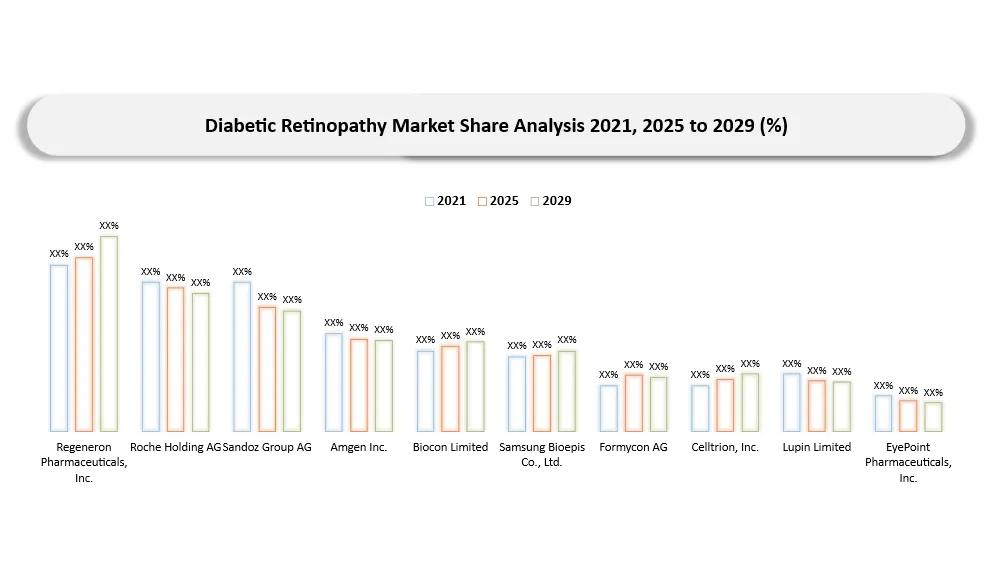
- Competition is led by established anti-VEGF franchises, with Regeneron, Roche/Genentech, Sandoz and Amgen holding strong positions through EYLEA, EYLEA HD, LUCENTIS and multiple biosimilar products.
- Competitive differentiation is increasingly driven by durability, injection frequency, DRSS improvement, progression prevention and treatment burden, rather than short-term VEGF suppression and visual outcomes alone.
- Late-stage pipeline competition is intensifying, led by Zenkuda, AXPAXLI and surabgene lomparvovec, creating potential pressure on conventional intravitreal anti-VEGF treatment sequences.
- Non-VEGF mechanisms are gaining strategic importance, including Sema3A, AOC3/VAP-1, endothelin, Ref-1, integrin and vascular-modulating approaches targeting broader retinal microvascular dysfunction.
- Biosimilar entry is increasing pricing and formulary pressure, shifting competitive advantage toward sustained efficacy, lower treatment frequency, favorable ocular safety and improved real-world persistence.
- Future market leadership will increasingly depend on earlier intervention in high-risk NPDR, prevention of progression to PDR and credible disease-modifying effects beyond repeated symptomatic treatment.
Key Companies of Diabetic Retinopathy Market
- Company (Country)
- Regeneron Pharmaceuticals, Inc. (United States)
- Roche Holding AG (Switzerland)
- Sandoz Group AG (Switzerland)
- Amgen Inc. (United States)
- Biocon Limited (India)
- Samsung Bioepis Co., Ltd. (South Korea)
- Formycon AG (Germany)
- Celltrion, Inc. (South Korea)
- Lupin Limited (India)
- EyePoint Pharmaceuticals, Inc. (United States)
- Zydus Lifesciences Limited (India)
- Kodiak Sciences Inc. (United States)
- Ocular Therapeutix, Inc. (United States)
- AbbVie Inc. (United States)
- REGENXBIO Inc. (United States)
- Boehringer Ingelheim (Germany)
- Bayer AG (Germany)
- Vantage Biosciences, Inc. (United Kingdom)
- Opus Genetics, Inc. (United States)
- ANI Pharmaceuticals, Inc. (United States)
Diabetic Retinopathy Market Major Pain Points
- Limited Disease Modification: Current anti-VEGF therapies primarily suppress VEGF-driven vascular leakage and neovascularization but do not consistently reverse retinal ischemia, neurovascular damage or underlying microvascular dysfunction.
- High Injection and Monitoring Burden: Repeated intravitreal injections, frequent ophthalmic assessments and long-term follow-up create substantial treatment burden, contributing to missed visits, undertreatment and reduced real-world persistence.
- Delayed Diagnosis and Late Treatment Initiation: Inadequate retinal screening and limited specialist access can delay identification of high-risk NPDR, allowing progression toward PDR and potentially irreversible vision-threatening complications.
- Variable and Incomplete Treatment Response: Some patients achieve suboptimal responses to anti-VEGF therapy, while durability varies considerably, creating continued need for longer-acting, non-VEGF and potentially disease-modifying therapeutic approaches.
Diabetic Retinopathy Market Recent Developments
- July 2026: REGENXBIO reported positive 2.5-year follow-up data for surabgene lomparvovec (sura-vec, ABBV-RGX-314) in non-proliferative diabetic retinopathy, with 55% of patients achieving at least a 2-step DRSS improvement without additional treatment and 70% remaining free from vision-threatening events.
- June 2026: REGENXBIO and AbbVie dosed the first patient in the Phase 2/3 NAAVIGATE trial of sura-vec for diabetic retinopathy, advancing a potentially one-time suprachoroidal gene therapy into late-stage clinical development.
- June 2026: Lupin received U.S. FDA approval for RANLUSPEC (ranibizumab-hkdz), an interchangeable biosimilar to LUCENTIS approved for diabetic retinopathy and other retinal indications, strengthening biosimilar competition in the U.S. anti-VEGF market.
- March 2026: Kodiak Sciences announced positive Phase 3 GLOW2 results for Zenkuda (tarcocimab tedromer) in diabetic retinopathy, with 62.5% of treated patients achieving at least a 2-step DRSS improvement versus 3.3% with sham and an 85% reduction in sight-threatening complications.
- February 2026: Ocular Therapeutix confirmed that its registrational Phase 3 HELIOS-3 trial of AXPAXLI in moderately severe-to-severe NPDR was underway, targeting approximately 930 patients and evaluating extended-duration intravitreal axitinib delivery.
Analyst View / Opinion on Diabetic Retinopathy Market
- The market is moving beyond conventional short-acting anti-VEGF therapy, with future value increasingly concentrated in longer-duration biologics, sustained-release platforms, gene therapies and non-VEGF mechanisms capable of reducing treatment burden.
- High-risk NPDR will become a major strategic battleground, as earlier intervention offers the potential to delay progression toward PDR and reduce development of vision-threatening retinal complications.
- Durability is emerging as a core competitive differentiator, with therapies capable of maintaining DRSS improvement while reducing injection frequency likely to gain stronger physician, patient and payer preference.
- Biosimilar expansion will intensify pricing and formulary pressure on established ranibizumab and aflibercept franchises, increasing the importance of convenience, dosing interval, real-world persistence and total treatment cost.
- Non-VEGF biology represents an important long-term opportunity, particularly approaches targeting retinal ischemia, endothelial dysfunction, inflammatory signaling and neurovascular injury that may provide broader disease modification.
- Future market leadership will depend on clinically meaningful progression prevention, strong ocular safety, reduced clinic dependence and the ability to preserve retinal function before irreversible structural damage occurs.
Diabetic Retinopathy Market Target Audience
| INDUSTRY | WHO SHOULD BUY THIS REPORT? | REASON TO BUY THIS REPORT |
| Pharmaceutical Companies | Ophthalmology and Retinal Drug Manufacturers | To benchmark approved anti-VEGF therapies, biosimilars and emerging treatments while assessing competitive positioning, pricing pressure and lifecycle opportunities. |
BioTreatment Response Status Companies | Clinical-Stage and Pipeline-Focused Retinal Therapy Developers | To evaluate pipeline white spaces, novel mechanisms, durability strategies, clinical differentiation and partnership opportunities across NPDR and PDR. |
| Healthcare Providers | Retina Specialists, Ophthalmologists and Specialized Eye Care Centers | To understand evolving treatment sequencing, long-acting therapies, biosimilar adoption and emerging approaches for preventing progression to vision-threatening disease. |
Investors and Private Equity Firms | Life Sciences Investors, Venture Capital Firms and Healthcare Funds | To identify high-value assets, late-stage pipeline opportunities, competitive risks and potential investment targets across the diabetic retinopathy treatment landscape. |
Payers and Market Access Teams | Health Insurers, Pharmacy Benefit Managers and Reimbursement Decision-Makers | To assess treatment economics, biosimilar competition, injection burden, durability and the potential budget impact of next-generation retinal therapies. |
Contract Research and Development Organizations | Ophthalmology-Focused CROs, CDMOs and Clinical Development Partners | To identify upcoming clinical-development demand, trial activity and outsourcing opportunities across biologics, implants, small molecules and gene therapies. |
Why Choose DATAM?
- Therapy-Level Competitive Intelligence: Gain granular intelligence across approved diabetic retinopathy therapies, anti-VEGF biologics, biosimilars, long-acting platforms, gene therapies, mechanisms of action and competitive positioning.
- Patient-Segment and Unmet-Need Analysis: Understand opportunities across high-risk NPDR, PDR, treatment-naïve patients, suboptimal anti-VEGF responders and populations facing high injection burden or limited treatment persistence.
- Pipeline and Regulatory Tracking: Monitor Phase 1-3 assets, FDA approvals, regulatory submissions, clinical milestones, partnerships, licensing activity and emerging mechanisms that could reshape the diabetic retinopathy treatment landscape.
- Data-Driven Strategic Insights: Access decision-ready analysis covering epidemiology, treatment adoption, regional opportunities, competitive benchmarking, market dynamics and evolving standards of care.
- Commercial Opportunity Assessment: Identify high-value opportunities across biosimilar penetration, earlier-stage intervention, sustained-release delivery, reduced dosing frequency and progression prevention.
- Future Market Leadership Analysis: Evaluate which companies and therapeutic platforms are best positioned to differentiate through durability, DRSS improvement, ocular safety, lower clinic burden and potential disease modification.
What DATAM Uniquely Provides
- Deep Diabetic Retinopathy Treatment Segmentation: Detailed analysis across disease stage, therapeutic approach, treatment experience, anti-VEGF treatment status and clinically important subgroups including high-risk NPDR, PDR and patients with persistent treatment burden.
- Therapy and Pipeline Competitive Benchmarking: Comparative assessment of approved and investigational diabetic retinopathy therapies based on mechanism, clinical stage, DRSS improvement, progression prevention, durability, safety, administration burden and competitive positioning.
- Patient Opportunity and White-Space Mapping: Identification of high-value unmet-need areas including high-risk NPDR, suboptimal anti-VEGF response, frequent injection dependence, delayed treatment initiation and opportunities for earlier disease-modifying intervention.
- Regulatory, Pricing and Market Access Intelligence: Analysis of FDA approvals, biosimilar entry, reimbursement dynamics, treatment costs, formulary positioning and payer considerations influencing adoption of originator and next-generation retinal therapies.
- Emerging Treatment Response Status and Mechanism Tracking: Assessment of sustained-release implants, oral therapies, gene therapy and non-VEGF mechanisms targeting retinal ischemia, inflammation, endothelial dysfunction and broader neurovascular injury.
- Strategic Market Opportunity Assessment: Decision-ready intelligence on regional growth, competitive intensity, pipeline disruption, commercial white spaces and future market leadership across the diabetic retinopathy treatment landscape.





























































