


Generalized Myasthenia Gravis (gMG) Treatment Market Overview
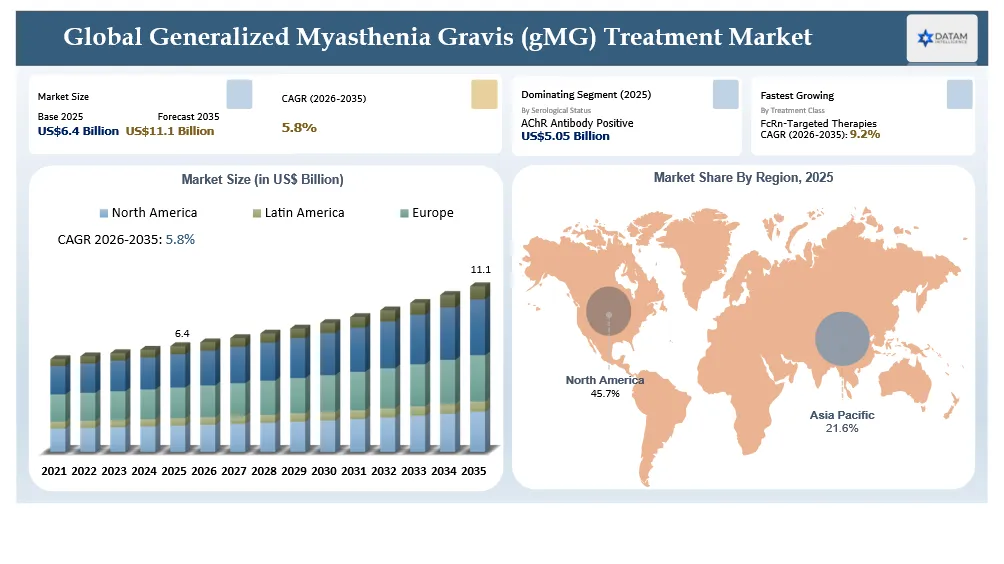
The global generalized myasthenia gravis (gMG) treatment market reached US$ 6.4 billion in 2025 and is expected to reach US$ 11.1 billion by 2035, growing at a CAGR of 5.8% during the forecast period 2026–2035. Market expansion is being driven by the transition from conventional symptomatic treatment and broad immunosuppression toward targeted, mechanism-driven therapies that address pathogenic autoantibody activity more selectively. FcRn inhibitors, complement inhibitors and B-cell-directed therapies are increasingly reshaping treatment algorithms, with commercial competition centered on rapid symptom control, durable response, steroid-sparing potential, broader serotype coverage and reduced treatment burden.
The competitive landscape expanded materially with the 2025 FDA approvals of IMAAVY (nipocalimab-aahu) and UPLIZNA (inebilizumab-cdon), complementing established therapies such as VYVGART, VYVGART HYTRULO, RYSTIGGO, ZILBRYSQ, ULTOMIRIS and SOLIRIS. These approvals have intensified competition across FcRn blockade, complement inhibition and B-cell depletion while increasing treatment options for antibody-defined gMG populations. Persistent unmet needs remain among MuSK-positive, seronegative, refractory and difficult-to-treat patients, supporting continued demand for therapies capable of delivering deeper and more sustained disease control.
Future market development is expected to be shaped by strong R&D activity across BAFF/APRIL inhibition, BTK inhibition, plasma-cell targeting, bispecific antibodies, next-generation complement therapies and CAR-T-based immune-reset approaches. Competitive differentiation is also moving toward oral therapies, self-administered subcutaneous formulations, longer dosing intervals and reduced monitoring requirements. Over the forecast period, companies capable of combining biologic-level efficacy with improved convenience, favorable long-term safety, broader patient eligibility and potentially prolonged remission or finite treatment are expected to secure stronger commercial positioning in the evolving gMG treatment market.
Generalized myasthenia gravis (gMG) treatment Market Key Takeaways
- The global generalized myasthenia gravis (gMG) treatment market was valued at US$ 6.4 billion in 2025 and is projected to reach US$ 11.1 billion by 2035, expanding at a CAGR of 5.8% during 2026–2035.
- The market is undergoing a structural shift from conventional broad immunosuppression toward targeted, mechanism-driven therapies, particularly FcRn inhibitors, complement inhibitors and B-cell-directed treatments, with competition increasingly centered on rapid response, durability, steroid-sparing potential and treatment convenience.
- AChR Antibody Positive patients represent the dominant serological segment, accounting for approximately 80% of gMG patients, while FcRn-targeted therapies are positioned among the fastest-growing treatment classes due to strong adoption of VYVGART, VYVGART HYTRULO, RYSTIGGO and IMAAVY.
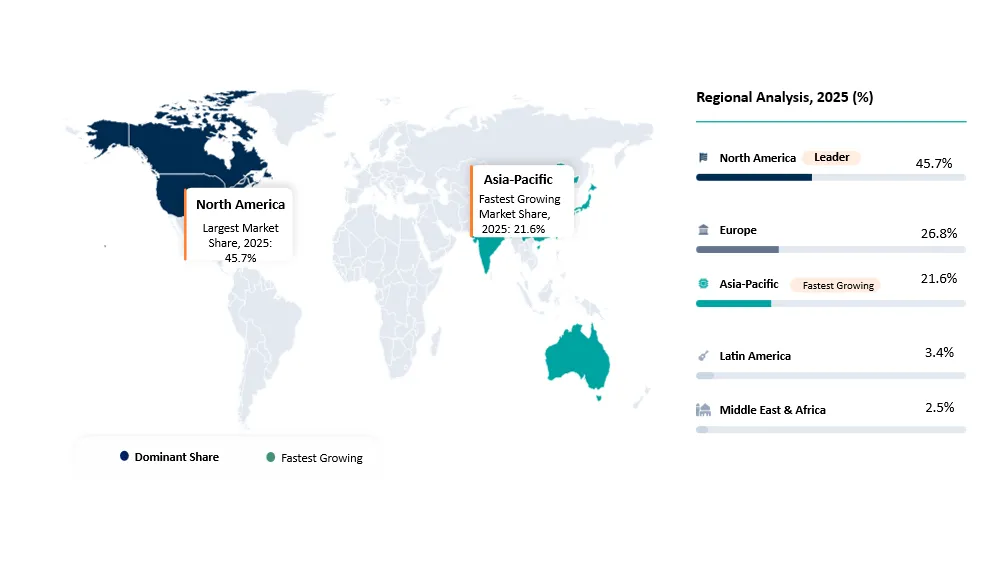
- North America is the leading regional market, supported by a substantial diagnosed population, strong specialty neurology infrastructure and high adoption of advanced targeted biologics, while geographic expansion opportunities remain across Europe and Asia-Pacific.
- Competitive intensity increased significantly with the 2025 FDA approvals of IMAAVY and UPLIZNA, while future disruption is expected from BAFF/APRIL inhibitors, BTK inhibitors, plasma-cell-targeted therapies, bispecific antibodies, CAR-T and immune-reset approaches aimed at achieving broader serotype coverage and potentially more durable disease control.
Generalized Myasthenia Gravis (gMG) Treatment Industry Trends and Strategic Insights
- Shift Toward Mechanism-Driven Targeted Therapies: The treatment landscape is moving away from broad immunosuppression toward FcRn inhibitors, complement inhibitors and B-cell-directed therapies. Competitive differentiation is increasingly based on rapid symptom control, durability, steroid-sparing potential, serotype coverage and lower treatment burden.
- Treatment Convenience Becoming a Key Competitive Battleground: Oral therapies, self-administered subcutaneous formulations, longer dosing intervals and reduced monitoring requirements are gaining strategic importance as companies seek to reduce infusion dependence and improve patient adherence and treatment persistence.
- R&D Investment Expanding Beyond FcRn and Complement Pathways: Pharmaceutical and biotechnology companies are increasing investment across BAFF/APRIL inhibition, BTK inhibition, plasma-cell targeting, bispecific antibodies and CAR-T-based immune-reset approaches, broadening the future competitive landscape.
- Underserved Serological Populations Represent Major Commercial White Space: MuSK-positive, seronegative, refractory and difficult-to-treat patients remain relatively underserved, creating opportunities for therapies offering broader serotype coverage and stronger disease control.
- Competition Is Moving Toward Disease Modification and Treatment-Free Remission: Longer-term strategic value is increasingly shifting toward therapies capable of deeper immune control, prolonged remission and potentially finite treatment. Plasma-cell-targeted therapies, CAR-T and other immune-reset approaches could disrupt the current chronic-treatment model if they demonstrate durable clinical benefit.
Generalized Myasthenia Gravis (gMG) Treatment Market Scope
| Metrics | Details | |
| 2025 Market Size | US$6.4 Billion | |
| 2035 Projected Market Size | US$11.1 Billion | |
| CAGR (2026-2035) | 5.8% | |
| Largest Market | North America | |
| Fastest Growing Market | Asia-Pacific | |
| Treatment Class | Acetylcholinesterase Inhibitors, Corticosteroids, Conventional Non-Steroidal Immunosuppressants, FcRn-Targeted Therapies, Complement Inhibitors, B-Cell-Targeted Therapies, Immunoglobulin Therapies, T-Cell Inhibitors, Others | |
| Route Of Administration | Oral, Intravenous, Subcutaneous, Others | |
| Serological Status | AChR Antibody Positive, MuSK Antibody Positive, Seronegative, LRP4, Others | |
| Disease Severity | Mild gMG, Moderate gMG, Severe gMG | |
| Treatment Line | First-Line Treatment, Second-Line Treatment, Third-Line And Subsequent Treatment | |
| Disease Onset | Early-Onset gMG, Late-Onset gMG | |
| Product Category | Innovator Therapies, Generic Therapies, Biosimilar Therapies | |
| Treatment Setting | Hospitals, Specialty Neurology Clinics, Independent Infusion Centers, Home-Based Care, Others | |
| Distribution Channel | Hospital And Institutional Pharmacies, Specialty And Mail-Order Pharmacies, Retail And Community Pharmacies, Others | |
| By Region | North America | U.S., Canada, Mexico |
| Europe | Germany, UK, France, Spain, Italy, Poland | |
| Asia-Pacific | China, India, Japan, Australia, South Korea, Indonesia, Malaysia, Singapore, Vietnam, Thailand, Philippines, Taiwan | |
| South America | Brazil, Argentina | |
| Middle East and Africa | Israel, Saudi Arabia, UAE, Turkiye, South Africa, Nigeria | |
| Report Insights Covered | Competitive Landscape Analysis, Company Profile Analysis, Market Size, Share, Growth | |
Why does this report matter in 2026?
The generalized myasthenia gravis treatment market report is especially relevant in 2026, when the paradigm shift in treatments moves away from nonspecific immunosuppression towards more specific therapies targeting disease mechanisms. The competitive landscape has changed dramatically since the launch of IMAAVY (nipocalimab-aahu) from Johnson & Johnson and UPLIZNA (inebilizumab-cdon) from Amgen in 2025, when the Market was extended with therapies targeting FcRn and B-cell depletion with CD19 inhibition. Established FcRn and complement inhibitors will see competition from later-stage programs using complement inhibitors, BAFF/APRIL pathway inhibitors, BTK modulation and immune reset strategies.
Pharmaceutical and biotech companies need to make their decisions about treatment sequences, serotypes covered by the drug, ease of dosing, differentiation, and future positioning on the Market. Unmet needs in difficult-to-treat MuSK-positive, seronegative, and refractory patients also create opportunities for new generation treatments.
Generalized Myasthenia Gravis (gMG) Treatment Market White Space & Investment Opportunities
- Significant white space exists for therapies that can demonstrate consistent efficacy across AChR-positive, MuSK-positive and seronegative patient populations, particularly where current targeted treatment options remain limited or unevenly available.
- Investment opportunities are increasing for therapies capable of delivering durable remission, immune reset or reduced dependence on lifelong chronic treatment, addressing one of the most important unmet needs in generalized myasthenia gravis.
- Development of oral therapies, self-administered subcutaneous formulations and longer-interval dosing regimens presents attractive opportunities to reduce infusion dependence, treatment burden and healthcare-resource utilization.
- Emerging CAR-T, bispecific, B-cell and plasma-cell-directed approaches offer substantial investment potential by enabling deeper immune modulation and potentially improving outcomes in refractory and difficult-to-treat patient populations.
- Competitive white space remains for therapies combining rapid onset, sustained clinical improvement, steroid-sparing potential, favorable long-term safety and lower monitoring requirements, creating opportunities for stronger differentiation against established FcRn and complement-targeted treatments.
Generalized Myasthenia Gravis (gMG) Treatment Future Market Transformation
The landscape for gMG treatments is anticipated to go through substantial changes, moving away from nonspecific immunosuppression towards mechanism-based solutions. FcRn inhibitors, complement inhibitors, and B-cell inhibitors have become the foundations of novel treatments, while the upcoming innovations such as plasma cell inhibitors, bispecific and CAR-T therapies might disrupt the treatment paradigm further. In future, the competition among GMG therapies is likely to revolve around rapid onset of action, sustained effectiveness, steroid-sparing effect, coverage of more serotypes, and improved safety profile of drugs, rather than around innovation of a new mechanism. Convenient oral forms, auto-injectable subcutaneous formulations, extended treatment intervals, and decreased need for monitoring are likely to facilitate treatment of patients. Meanwhile, new approaches such as immune reset therapy and finite-treatment strategy are likely to pose challenges to conventional GMG treatment paradigms through their capacity to induce prolonged remission. Companies with innovative drugs that demonstrate high efficacy alongside convenient administration, broad applicability, and good duration of effects will likely achieve a favorable competitive position.
Generalized Myasthenia Gravis (gMG) Treatment Market Buyer Decision-Making Criteria
Major Buyer Decision-Making Criteria:
- Clinical Efficacy and Depth of MG-ADL Improvement
- Speed of Onset and Symptom Control
- Durability of Response and Remission Potential
- Long-Term Safety and Tolerability Profile
- AChR, MuSK and Broader Serotype Coverage
- Steroid-Sparing Potential
- Route of Administration and Dosing Convenience
- Treatment and Monitoring Burden
- Suitability Across Treatment Lines and Patient Profiles
- Reimbursement, Patient Access and Overall Treatment Value
In the generalized myasthenia gravis treatment Market, treatment-selection and purchasing decisions are increasingly driven by the ability of therapies to provide rapid, clinically meaningful and durable disease control while maintaining an acceptable long-term safety profile. Physicians, healthcare systems and payers evaluate improvement in MG-ADL and QMG outcomes, steroid-sparing potential, applicability across antibody-defined patient populations and effectiveness in difficult-to-treat patients. Administration convenience is becoming an increasingly important differentiator, with oral therapies, self-administered subcutaneous products, longer dosing intervals and reduced monitoring requirements potentially gaining preference over infusion-intensive regimens. Treatment cost, reimbursement positioning, patient access and evidence of differentiated clinical value are also important considerations as competition intensifies across FcRn, complement and B-cell-targeted therapies.
Generalized Myasthenia Gravis (gMG) Treatment Market Economic & Investment Analysis
The generalized myasthenia gravis treatment market presents an increasingly attractive investment environment as the commercial landscape shifts toward high-value targeted therapies and differentiated mechanisms of action. Investment potential is supported by growing adoption of FcRn inhibitors, complement inhibitors and B-cell-directed therapies alongside continued demand for treatments capable of delivering faster response, durable disease control, steroid-sparing benefits and improved convenience. Competitive barriers remain relatively high because successful Market participation requires substantial clinical development expenditure, regulatory validation, specialty commercialization capabilities, physician confidence and reimbursement access. Companies able to demonstrate meaningful differentiation in efficacy, safety, serotype coverage and treatment burden can establish durable competitive positions and capture significant value within specialty neurology.
From an investment perspective, future value creation is increasingly linked to next-generation assets targeting FcRn, complement, B cells, plasma cells, BAFF/APRIL, BTK and immune-reset pathways. Oral therapies, self-administered subcutaneous formulations, longer dosing intervals and potentially finite treatment approaches represent particularly attractive areas for capital deployment. Pharmaceutical and bioProduct Category companies are therefore likely to prioritize pipeline expansion, lifecycle management, strategic licensing, partnerships and differentiated patient-access strategies. Assets capable of addressing MuSK-positive, seronegative, refractory and difficult-to-treat populations could command additional strategic value by expanding the addressable patient pool beyond currently well-served segments.
Generalized Myasthenia Gravis (gMG) Treatment Investment Trends in the Market
- Increasing investment in FcRn inhibitors, complement inhibitors and B-cell-directed therapies is intensifying competition around targeted, mechanism-driven treatment strategies.
- Pharmaceutical and bioProduct Category companies are allocating greater capital toward next-generation immune-modulating approaches, including BAFF/APRIL blockers, BTK inhibitors, plasma-cell-targeted therapies, bispecifics and CAR-T platforms.
- Investment is increasingly shifting toward oral therapies, self-administered subcutaneous formulations and longer-interval dosing regimens that can lower treatment burden and improve patient convenience.
- Growing strategic investment is being directed toward broader serotype coverage, particularly therapies capable of addressing MuSK-positive, seronegative and difficult-to-treat patient populations with persistent unmet need.
- Companies are increasing investment in disease-modifying and immune-reset strategies with the potential to achieve deeper disease control, prolonged remission and reduced dependence on chronic immunosuppressive treatment.
Strategic Indicators for Generalized Myasthenia Gravis (gMG) Treatment Market
High Regulation Impact
High regulatory impact is seen in the gMG treatment market due to the presence of stringent efficacy and safety, manufacturing and post-Marketing requirements associated with advanced biological products, monoclonal antibodies, complement inhibitors, and cell-based therapeutic approaches. Regulatory authorities carefully consider factors such as improvement in MG-ADL and QMG scores, infections, immunogenicity, duration of response and immune system effects in the approval of novel therapies. Important safety concerns are present for novel treatments that include complement inhibition, B-cell depletion and increased immune system manipulation. Long clinical development process, complicated biological drug manufacturing, and regulation of novel therapies are contributing towards higher costs and hurdles in gaining Market entry. On the other hand, faster regulatory reviews can be very important for differentiation of novel therapies.
High Investment Activity
gMG treatment market is experiencing high investment activity as pharmaceutical and bioproduct category companies expand development across FcRn inhibition, complement modulation, B-cell and plasma-cell targeting, BAFF/APRIL pathways, BTK inhibition, bispecific antibodies and CAR-T-based immune-reset approaches. The breadth of late-stage and emerging programs reflects strong capital allocation toward therapies that can deliver faster response, greater durability, broader serotype coverage and reduced dependence on chronic immunosuppression. Investment is also shifting toward oral therapies, self-administered subcutaneous formulations and longer-interval dosing strategies that can improve convenience and lower treatment burden. Companies are increasingly prioritizing pipeline expansion, lifecycle management and differentiated mechanisms capable of addressing refractory, MuSK-positive and seronegative populations. The growing emphasis on disease modification, prolonged remission and finite-treatment models is likely to sustain strong R&D, licensing and strategic partnership activity across the gMG treatment landscape.
Supply Chain Disruption
The generalized myasthenia gravis (gMG) treatment market has a moderate-to-high exposure to supply chain disruption, particularly for biologics, monoclonal antibodies, immunoglobulins and other complex targeted therapies requiring specialized manufacturing, cold-chain logistics and stringent quality control. Dependence on limited biologics manufacturing capacity, specialized raw materials and qualified fill-finish facilities can increase vulnerability to production delays and temporary supply constraints. Immunoglobulin therapies face additional exposure because supply depends on plasma collection volumes, fractionation capacity and complex global distribution networks. Geographic concentration of manufacturing and reliance on temperature-controlled transportation can further increase disruption risk during logistics bottlenecks or regulatory interruptions. Pharmaceutical companies are therefore strengthening supply resilience through dual sourcing, regional manufacturing capacity, inventory buffers and expanded contract manufacturing partnerships. As targeted gMG therapies gain adoption, reliable commercial-scale manufacturing and uninterrupted product availability will increasingly influence Market access, physician confidence and competitive positioning.
Pricing Volatility
The generalized myasthenia gravis (gMG) treatment market is exposed to moderate-to-high pricing volatility, driven by the growing share of premium biologics and targeted therapies, differences in reimbursement frameworks and increasing competition across FcRn, complement and B-cell-directed treatment classes. Pricing remains particularly sensitive to clinical differentiation, treatment duration, dosing frequency, route of administration and the ability to demonstrate meaningful improvements in MG-ADL, steroid reduction and long-term disease control. As more targeted therapies enter the Market, competitive pressure may increase discounting, rebate negotiations and payer-driven formulary restrictions, particularly where multiple products address similar patient populations. At the same time, newer therapies offering broader serotype coverage, lower treatment burden or potentially finite treatment may command premium pricing if they demonstrate superior value. Variability in reimbursement, patient-access programs and negotiated net prices across countries is likely to remain a major source of pricing dispersion and commercial uncertainty.
Procurement Pressure
The generalized myasthenia gravis (gMG) treatment market faces high procurement pressure as payers, hospitals, specialty pharmacies and healthcare systems increasingly scrutinize the clinical and economic value of high-cost targeted therapies. Growing competition among FcRn inhibitors, complement inhibitors and B-cell-directed therapies is strengthening payer leverage in formulary placement, reimbursement negotiations and preferred-treatment selection. Procurement decisions are increasingly influenced by comparative efficacy, durability of response, steroid-sparing benefits, eligible serotypes, administration requirements and total cost of care rather than acquisition price alone. High annual treatment costs can lead to prior authorization, step-therapy requirements and tighter patient-eligibility criteria, potentially affecting commercial uptake. Manufacturers must therefore demonstrate clear differentiation through superior clinical outcomes, reduced treatment burden and compelling health-economic evidence. As additional targeted therapies enter the market, contracting strategies, rebates, outcome-based agreements and patient-access programs are expected to become increasingly important determinants of competitive positioning and Market share.
Recent FDA Approval
The most recent FDA approval in the generalized myasthenia gravis (gMG) treatment Market occurred in 2025, when UPLIZNA (inebilizumab-cdon) received approval for gMG. The therapy, currently owned by Amgen Inc., is a humanized monoclonal antibody that targets CD19-expressing B-cell populations, introducing a differentiated B-cell-depletion mechanism into the gMG treatment landscape.
The approval followed IMAAVY (nipocalimab-aahu) from Johnson & Johnson in April 2025 and further expanded competition beyond established FcRn and complement inhibitors. UPLIZNA therefore represents the latest new FDA-approved gMG therapy in 2025, strengthening the role of B-cell-directed treatment strategies and increasing competitive pressure on existing targeted therapies.
Regional Expansion Opportunity
The generalized myasthenia gravis (gMG) treatment market presents meaningful regional expansion potential beyond North America, which currently represents the dominant Market due to its substantial diagnosed patient base and strong adoption of targeted therapies. Europe, Asia-Pacific, Latin America and the Middle East and Africa remain important components of the global Market framework and offer opportunities for broader commercialization as access to advanced FcRn, complement and B-cell-directed therapies expands. Regional growth strategies are likely to depend on regulatory approvals, reimbursement access, specialist neurology infrastructure, physician adoption and affordability of premium biologics. Companies that establish local Market -access capabilities, broaden patient identification and introduce more convenient oral or subcutaneous treatment options could improve penetration in comparatively underdeveloped markets. Expansion across additional serotypes, particularly MuSK-positive and seronegative populations, can further increase the addressable patient pool and strengthen long-term geographic growth opportunities.
Government Policy Support
The generalized myasthenia gravis (gMG) treatment market benefits from strong government and regulatory policy support for rare-disease drug development, particularly in the United States and Europe. In the U.S., the FDA’s Orphan Drug Designation framework can provide eligible rare-disease therapies with incentives such as clinical-trial tax credits, user-fee exemptions and potential seven-year market exclusivity following approval. In Europe, orphan-designated medicines can receive ten years of market exclusivity, while rare-disease policy also supports research, specialist care networks and development of new therapies. These measures reduce development risk, improve the commercial attractiveness of innovative gMG assets and support continued investment in FcRn inhibitors, complement inhibitors, B-cell-targeted therapies and emerging immune-reset approaches. However, commercialization remains dependent on national reimbursement, health-Product Category assessment and patient-access policies, making policy support strong at the R&D and regulatory level but more variable at the market access level.
Pricing Intelligence
The generalized myasthenia gravis (gMG) treatment market is characterized by premium pricing for targeted therapies, with pricing power increasingly linked to differentiated clinical value rather than mechanism novelty alone. As competition expands across FcRn inhibitors, complement inhibitors and B-cell-directed therapies, manufacturers must demonstrate superior efficacy, durability of response, broader serotype coverage, steroid-sparing potential and lower treatment burden to sustain premium positioning. Route of administration, dosing frequency, monitoring requirements and potential for home-based treatment are also becoming important determinants of perceived treatment value and payer acceptance. Increasing therapeutic choice is expected to strengthen payer negotiating leverage and place greater emphasis on comparative value, formulary positioning and patient-access strategies. Companies offering longer dosing intervals, reduced monitoring and durable disease control may retain stronger pricing flexibility, while therapies with limited differentiation could face increasing commercial pressure as the gMG Market becomes more crowded.
AI Impact Analysis of Generalized Myasthenia Gravis (gMG) Treatment Market
Artificial intelligence is expected to influence the generalized myasthenia gravis (gMG) treatment market primarily through drug discovery, patient stratification, clinical-trial optimization and real-world treatment monitoring. AI-enabled analytics can support identification of novel therapeutic targets across FcRn, complement, B-cell, plasma-cell and immune-reset pathways, potentially improving candidate prioritization in an increasingly diversified development pipeline. Machine-learning approaches may also strengthen patient segmentation by integrating serological status, disease severity, treatment history and clinical-response data, supporting more precise selection of AChR-positive, MuSK-positive, seronegative and refractory populations. AI-based trial analytics could improve site selection, recruitment, endpoint monitoring and identification of treatment responders, while real-world analytics may strengthen pharmacovigilance, adherence monitoring and comparative-effectiveness assessment. Commercially, AI can enhance demand forecasting, treatment-sequencing analysis and market-access strategy as competition increases across targeted therapies. AI-specific applications are an analytical extension; the uploaded report does not explicitly include a dedicated AI section.
Disruption Analysis of Generalized Myasthenia Gravis (gMG) Treatment Market
The generalized myasthenia gravis (gMG) treatment market is undergoing significant disruption as the therapeutic paradigm shifts from broad immunosuppression toward targeted, mechanism-driven and potentially disease-modifying approaches. Established FcRn inhibitors, complement inhibitors and B-cell-directed therapies are raising expectations around rapid symptom control, durability, steroid-sparing potential and treatment convenience. Competitive disruption is accelerating through emerging mechanisms including BAFF/APRIL inhibition, BTK inhibition, plasma-cell targeting, bispecific antibodies and CAR-T-based immune-reset strategies. Oral therapies, self-administered subcutaneous formulations and longer dosing intervals could further disrupt infusion-intensive treatment models by reducing treatment-center dependence and improving patient convenience. Over the longer term, therapies capable of delivering prolonged remission or finite treatment may challenge the existing chronic-treatment model, potentially reshaping treatment sequencing, physician preference, payer positioning and competitive Market share.
Generalized Myasthenia Gravis (gMG) Treatment Market BCG Matrix: Company Evaluation
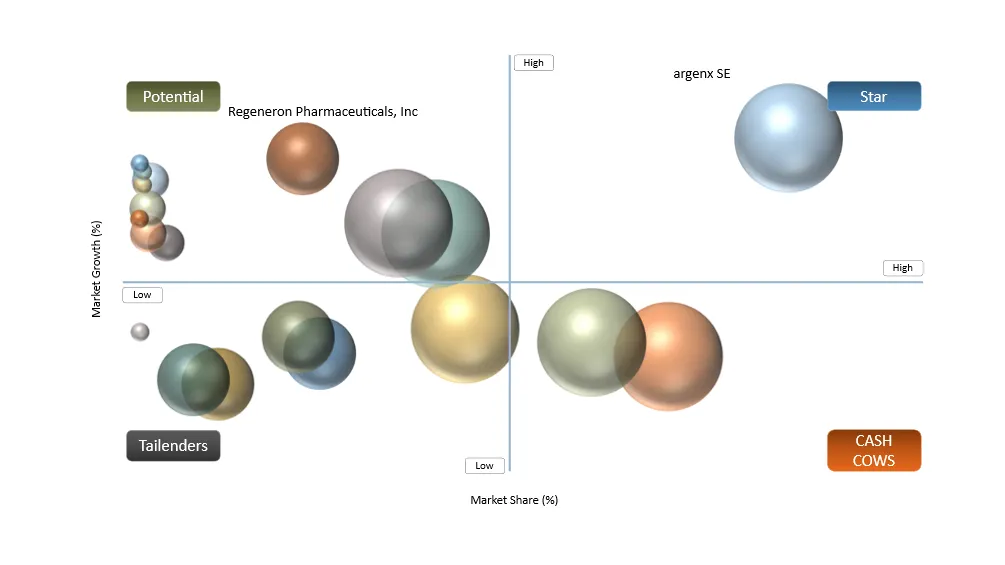
STAR
argenx SE, AstraZeneca PLC, UCB S.A., Johnson & Johnson and Amgen Inc. belong to the Star category because of their established commercial presence and direct leadership in targeted generalized myasthenia gravis therapies. argenx holds a strong FcRn position through VYVGART and VYVGART HYTRULO, AstraZeneca maintains an established complement-inhibition franchise through SOLIRIS and ULTOMIRIS and UCB differentiates through participation in both FcRn and C5 inhibition with RYSTIGGO and ZILBRYSQ. Johnson & Johnson and Amgen further strengthened the competitive landscape through the 2025 approvals of IMAAVY and UPLIZNA, respectively. Their positions are supported by approved products, specialist-physician familiarity, established commercialization capabilities and differentiated mechanisms of action. Continued investment in lifecycle management, broader serotype coverage, dosing convenience and durable disease control positions these companies to capture a significant share of the growing targeted gMG treatment market.
POTENTIAL
Regeneron Pharmaceuticals, Inc., Novartis AG, RemeGen Co., Ltd., Cartesian Therapeutics, Inc. and Immunovant, Inc. are considered Potential competitors because of their advanced and differentiated gMG development programs. Regeneron is progressing cemdisiran through regulatory review, while Novartis is developing oral therapies including iptacopan and remibrutinib. RemeGen is advancing telitacicept through BAFF/APRIL inhibition, Cartesian Therapeutics is developing the BCMA-directed CAR-T therapy Descartes-08 and Immunovant is progressing the FcRn inhibitor IMVT-1402. Their competitiveness is being strengthened through next-generation mechanisms, oral and subcutaneous administration, plasma-cell targeting and potential immune-reset strategies. If these programs demonstrate strong efficacy, durability, safety and treatment convenience, these companies could materially challenge established gMG leaders and gain meaningful commercial share over the forecast period.
Generalized Myasthenia Gravis (gMG) Treatment Market Dynamics
Driver Impact Analysis
| Driver | Market Growth Impact (%) | Demand Concentration | Impacted Use Case | Strategic Impact |
Rapid Commercial Adoption of FcRn-Targeted Therapies Across Generalized Myasthenia Gravis Patient Populations | 5.6% | Targeted Therapy Penetration | Treatment of AChR-Positive and Broader Eligible gMG Patient Populations | Expands adoption of premium mechanism-driven therapies and strengthens FcRn inhibitors as a major revenue-generating treatment class |
Expanding Utilization of Complement Inhibitors for Patients Requiring Rapid and Sustained Disease Control | 4.8% | Advanced Disease Management | Moderate-to-Severe and Difficult-to-Control gMG | Supports sustained uptake of complement-targeted therapies and increases competitive emphasis on durability, speed of response and dosing convenience |
Strong Pharmaceutical and BioProduct Category R&D Investment Across BAFF/APRIL Inhibition, BTK Inhibition, Plasma-Cell Targeting, Bispecific Antibodies and CAR-T Therapies
| 4.1% | Pipeline Expansion and Innovation | Refractory, Difficult-to-Treat and Broader Serotype gMG Populations | Broadens the future treatment landscape and creates commercial opportunities for disease-modifying, immune-reset and potentially finite-duration therapies |
Driver: Rapid Commercial Adoption of FcRn-Targeted Therapies Across Generalized Myasthenia Gravis Patient Populations
Rapid commercial adoption of FcRn-targeted therapies is a major driver of the generalized myasthenia gravis (gMG) treatment market because these therapies provide a more mechanism-specific approach by reducing circulating pathogenic IgG autoantibodies rather than relying solely on broad immunosuppression. The growing use of products such as VYVGART, VYVGART HYTRULO, RYSTIGGO and IMAAVY has expanded physician familiarity with FcRn blockade and strengthened its position within the targeted gMG treatment landscape.
Commercial adoption is further supported by the need for rapid symptom improvement, reduced corticosteroid dependence, greater treatment convenience and broader patient eligibility. As treatment decisions increasingly prioritize durability, route of administration, dosing frequency and long-term disease control, FcRn-targeted therapies are well positioned to capture a larger share of patients transitioning away from conventional immunosuppressive regimens. This continued uptake is expected to support premium targeted-therapy revenues and intensify competition within the gMG market.
Restraint Impact Analysis
| Restraint | Drag on Market Growth (%) | Primary Impact Area | Impacted Use Case | Strategic Impact |
High Treatment Cost and Reimbursement Complexity Associated With Premium Targeted Biologic Therapies | 4.8% | Patient Access and Payer Coverage | Uptake of FcRn Inhibitors, Complement Inhibitors and Other Premium Targeted Therapies | Constrains eligible patient conversion, increases prior-authorization friction and strengthens payer pressure on pricing, rebates and formulary positioning |
Significant Treatment Burden From Repeated Intravenous Infusions and Frequent Subcutaneous Administration | 3.9% | Treatment Adherence and Care Delivery | Long-Term Maintenance Therapy in Chronic gMG Patients | Reduces treatment persistence, increases dependence on infusion infrastructure and creates competitive advantage for oral, self-administered and longer-interval therapies |
Requirement for Ongoing Laboratory Monitoring, Vaccination, Risk-Mitigation Measures and Specialist Supervision for Certain Complement and Immune-Targeted Therapies | 3.2% | Clinical Adoption and Treatment Infrastructure | Initiation and Long-Term Management of Complement and Advanced Immune-Targeted Therapies | Raises treatment complexity and healthcare-resource requirements, slows broader community adoption and favors therapies with simpler safety management and lower monitoring intensity |
Restraint: Significant Treatment Burden From Repeated Intravenous Infusions and Frequent Subcutaneous Administration
Significant treatment burden from repeated intravenous infusions and frequent subcutaneous administration acts as a major restraint in the generalized myasthenia gravis (gMG) treatment market because many advanced therapies require recurring administration over extended treatment periods. repeated intravenous infusions increase dependence on hospitals or infusion centers, healthcare professionals and scheduled treatment visits, while frequent subcutaneous dosing can create inconvenience, injection fatigue and adherence challenges for patients requiring chronic disease management. The resulting treatment burden can negatively influence persistence, patient preference and physician selection, particularly when comparable therapies offer less frequent dosing or home-based administration. The need for repeated treatment also increases indirect costs related to travel, time away from work and caregiver support. As competition intensifies, therapies with complex or frequent administration schedules may face slower adoption compared with oral, self-administered or longer-interval alternatives, making dosing convenience an increasingly important commercial differentiator in the gMG market.
Generalized Myasthenia Gravis (gMG) Treatment Market Segment Analysis
The global generalized myasthenia gravis treatment market is segmented based on the treatment class, route of administration, serological status, disease severity, treatment line, disease onset, product category, treatment setting, distribution channel. and region.
By Serological Status
AChR Antibody Positive Patients Driving the Largest Addressable gMG Treatment Opportunity
The AChR Antibody Positive segment represents the dominant patient and commercial segment within the Generalized Myasthenia Gravis Treatment Market. Approximately 80% of patients with generalized myasthenia gravis are reported to have antibodies against the acetylcholine receptor, making this the largest clearly defined serological population and therefore the broadest addressable pool for approved targeted therapies. AChR-positive disease is also the most commercially developed segment because several established therapies, including FcRn inhibitors, complement inhibitors and B-cell-directed treatments, have been positioned around antibody-defined gMG populations. The availability of multiple targeted mechanisms has increased physician choice and accelerated treatment movement away from broad immunosuppression toward more selective immune modulation. Commercial leadership in this segment is reinforced by the presence of major products such as VYVGART, VYVGART HYTRULO, SOLIRIS, ULTOMIRIS, RYSTIGGO, ZILBRYSQ, IMAAVY and UPLIZNA. Continued diagnosis, strong treatment eligibility and increasing adoption of premium targeted therapies are expected to sustain the segment’s leading position.
By Treatment Class
FcRn-Targeted Therapies Reshaping the gMG Treatment Landscape
The FcRn-Targeted Therapies segment is expected to represent one of the fastest-growing treatment classes in the Generalized Myasthenia Gravis Market as physicians increasingly adopt therapies that selectively reduce circulating pathogenic IgG autoantibodies. FcRn inhibition has become an important mechanism-driven treatment strategy through products such as VYVGART, VYVGART HYTRULO, RYSTIGGO and IMAAVY, creating substantial commercial momentum within the targeted therapy landscape. Growth is supported by increasing demand for rapid symptom control, reduced corticosteroid dependence, improved treatment convenience and stronger long-term disease management compared with conventional broad immunosuppressive approaches. Competitive positioning is increasingly influenced by speed of response, durability, serotype coverage, route of administration and dosing frequency, all of which create significant opportunities for FcRn developers to differentiate their therapies. Development of intravenous and subcutaneous FcRn options also provides greater flexibility across treatment settings and patient preferences. Continued investment in next-generation FcRn assets and broader patient eligibility is expected to further strengthen Market penetration.
Generalized Myasthenia Gravis (gMG) Treatment Market Geographical Penetration
U.S. Generalized Myasthenia Gravis (gMG) Treatment Market Landscape
The United States remains the most commercially advanced gMG treatment market, supported by rapid uptake of targeted biologics, broad specialist access and strong competition across FcRn, complement and B-cell-directed therapies. Recent 2024 real-world evidence from 49 U.S. physicians covering 312 gMG patients showed that 71.8% were AChR-antibody positive, while 78.5% were MGFA Class II or above, illustrating a substantial population requiring active generalized-disease management.
Commercial momentum strengthened materially in 2025. The FDA approved IMAAVY (nipocalimab-aahu) on April 29, 2025 for AChR- or MuSK-antibody-positive gMG in patients aged 12 years and older, adding another FcRn-targeted option to an already competitive treatment landscape. In April 2025, the FDA also approved a prefilled syringe presentation of VYVGART HYTRULO, supporting at-home self-administration and reinforcing treatment convenience as a competitive differentiator. Future U.S. growth will increasingly depend on broader patient eligibility, durable response, payer access, steroid-sparing efficacy and lower administration burden. Pipeline competition also remains strong, with Regeneron’s cemdisiran generating positive Phase III results in 2025 and progressing toward regulatory submission.
Germany Myasthenia Gravis (gMG) Treatment Market Outlook
Germany represents a strategically important European gMG treatment market, supported by strong specialist neurology infrastructure, structured disease registries and increasing adoption of targeted add-on therapies. A 2026 multicenter German real-world study involving 153 AChR-positive gMG patients across eight tertiary centers evaluated complement C5 inhibitors and the FcRn antagonist efgartigimod. Patients receiving targeted therapy within 24 months of diagnosis demonstrated stronger clinical responses and greater reductions in treatment burden than those escalated later, supporting a shift toward earlier use of advanced targeted therapies in appropriate patients.
Recent regulatory developments are also expanding therapeutic choice. RYSTIGGO received EU marketing authorization in January 2024 for adult AChR- or MuSK-antibody-positive gMG, providing Germany with access to another FcRn-targeted treatment option. The German Market is therefore moving beyond a traditional stepwise model toward more personalized escalation based on disease activity, treatment response and functional burden. Competitive differentiation is expected to increasingly depend on MG-ADL improvement, corticosteroid reduction, administration convenience and broader antibody coverage. Reimbursement requirements may still delay early escalation in some patients, creating commercial advantage for therapies able to demonstrate strong comparative clinical value and reduced total treatment burden.
Japan Generalized Myasthenia Gravis (gMG) Treatment Market Outlook
Japan is a high-potential Asia-Pacific gMG Market characterized by substantial use of maintenance therapy, specialist-driven treatment pathways and growing integration of novel targeted therapies. A 2025 real-world study based on Japanese clinical data collected through January 2024 included 128 gMG patients treated by 40 neurologists. At the time of assessment, 98.4% of patients were receiving maintenance therapy, highlighting the chronic treatment burden and strong underlying demand for more effective and convenient long-term options.
The same study found continued heavy reliance on traditional immunosuppression: oral systemic corticosteroids were used in 78% of first-line patients, 77.9% of second-line patients and 75.0% of third-line patients. These findings indicate considerable commercial opportunity for steroid-sparing FcRn, complement and other targeted therapies capable of reducing chronic immunosuppressive exposure. Japan is also an important component of the broader Asia-Pacific gMG development landscape, where multinational real-world research conducted through January 2024 demonstrates persistent quality-of-life and caregiver burden across the region. Future growth in Japan is likely to center on convenient subcutaneous treatment, longer dosing intervals, improved maintenance control and targeted therapies capable of reducing steroid dependence while maintaining durable disease control.
Generalized Myasthenia Gravis (gMG) Treatment Market Competitive Landscape
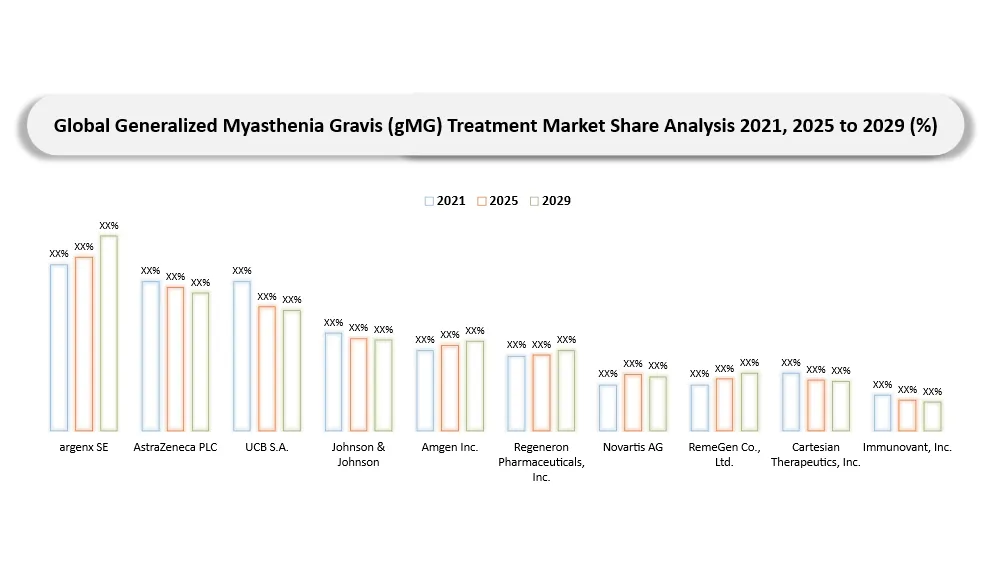
- Competition is currently concentrated among argenx SE, AstraZeneca PLC, UCB S.A., Johnson & Johnson and Amgen Inc., supported by established positions across FcRn inhibition, complement inhibition and B-cell-directed therapy. Approved products including VYVGART, VYVGART HYTRULO, SOLIRIS, ULTOMIRIS, RYSTIGGO, ZILBRYSQ, IMAAVY and UPLIZNA have created an increasingly mechanism-diverse targeted treatment environment.
- Competitive barriers remain substantial because new entrants must demonstrate meaningful clinical differentiation against established targeted therapies across speed of response, MG-ADL improvement, durability, safety, serotype coverage and steroid-sparing potential rather than relying on mechanism novelty alone.
- Pipeline competition is intensifying through next-generation mechanisms including C5-targeting siRNA, BAFF/APRIL inhibition, BTK inhibition, Factor B inhibition, plasma-cell targeting, bispecific antibodies and CAR-T therapies, creating potential disruption to established FcRn and complement franchises.
- Treatment convenience is becoming a major competitive differentiator, with companies increasingly targeting oral administration, self-administered subcutaneous delivery, longer dosing intervals and reduced monitoring requirements to compete with infusion-intensive treatment models.
- Future competitive leadership will increasingly be determined by the ability to deliver rapid and durable disease control, broad applicability across AChR-positive, MuSK-positive and potentially seronegative populations, lower treatment burden, favorable long-term safety and potential for prolonged remission or finite treatment, significantly raising the commercial benchmark for new Market entrants.
Key Companies of Generalized Myasthenia Gravis (gMG) Treatment Market
- argenx SE (Netherlands)
- AstraZeneca PLC (United Kingdom)
- UCB S.A. (Belgium)
- Johnson & Johnson (United States)
- Amgen Inc. (United States)
- Regeneron Pharmaceuticals, Inc. (United States)
- Novartis AG (Switzerland)
- RemeGen Co., Ltd. (China)
- Vor Bio, Inc. (United States)
- Cartesian Therapeutics, Inc. (United States)
- Immunovant, Inc. (United States)
- Merck KGaA (Germany)
- Cabaletta Bio, Inc. (United States)
- Bristol-Myers Squibb Company (United States)
- Gilead Sciences, Inc. (United States)
- Arcellx, Inc. (United States)
- Alexion Pharmaceuticals, Inc. (United States)
- Juno Therapeutics, Inc. (United States)
- Gracell Biotechnologies Inc. (China)
- Horizon Therapeutics (Ireland)
Generalized Myasthenia Gravis (gMG) Treatment Market Major Pain Points
- Limited Treatment-Free Remission and Persistent Disease Burden: Existing therapies can improve symptom control, but many patients continue to require chronic treatment and relatively few achieve durable treatment-free remission or true disease modification.
- Uneven Treatment Response Across Serological Subgroups: AChR-positive patients currently have the broadest targeted treatment availability, while MuSK-positive, seronegative and other difficult-to-treat populations continue to experience greater unmet need and inconsistent responses to available therapies.
- High Treatment Burden and Administration Complexity: Repeated intravenous infusions, frequent subcutaneous administration, treatment cycling and continued specialist involvement can increase inconvenience, reduce treatment persistence and negatively affect patient quality of life.
- Safety, Monitoring and Risk-Management Requirements: Infection risk, immunogenicity and long-term immune suppression remain important concerns, while certain therapies require vaccination, laboratory monitoring and additional clinical risk-management measures that can limit wider adoption.
- Increasing Pressure to Demonstrate Meaningful Clinical Differentiation: With multiple FcRn, complement and B-cell-directed therapies already available, new entrants must deliver stronger differentiation in rapid response, durability, steroid-sparing potential, serotype coverage, safety and treatment convenience to gain physician, payer and patient preference.
Generalized Myasthenia Gravis (gMG) Treatment Market Recent Developments
- May 2026: argenx announced FDA approval of an expanded indication for VYVGART and VYVGART HYTRULO, extending treatment to adult gMG patients regardless of antibody status, including AChR-positive, MuSK-positive, LRP4-positive and triple-seronegative patients.
- May 2026: Immunovant reported that the potentially registrational Phase III development program for IMVT-1402 in myasthenia gravis remained on track, with topline results expected in 2027.
- March 2026: Cartesian Therapeutics reported continued enrollment in the Phase III AURORA trial of Descartes-08, an autologous BCMA-directed CAR-T therapy being evaluated in AChR-antibody-positive myasthenia gravis patients.
- December 2025: The FDA approved UPLIZNA (inebilizumab-cdon) for adult patients with generalized myasthenia gravis who are AChR- or MuSK-antibody positive, expanding the targeted treatment landscape through CD19-directed B-cell depletion.
- April 2025: The FDA approved IMAAVY (nipocalimab-aahu) for generalized myasthenia gravis in adult and pediatric patients aged 12 years and older who are AChR- or MuSK-antibody positive, adding another FcRn-targeted therapy to the market.
Analyst View / Opinion on Generalized Myasthenia Gravis (gMG) Treatment Market
- The ongoing shift from broad immunosuppression toward FcRn inhibitors, complement inhibitors and B-cell-directed therapies is likely to remain the most important structural change in the gMG market, with future competition increasingly centered on durability, safety and treatment convenience rather than mechanism novelty alone.
- Treatment differentiation will become more important as the number of targeted therapies increases. Companies able to demonstrate faster onset, deeper MG-ADL improvement, steroid-sparing benefit and broader serotype coverage are likely to gain stronger physician and payer preference.
- Significant commercial opportunity remains in MuSK-positive, seronegative, refractory and difficult-to-treat patient populations, where unmet need remains relatively high and current therapeutic responses are less consistent.
- Oral therapies, self-administered subcutaneous formulations and longer dosing intervals are likely to gain strategic importance because reducing infusion dependence and monitoring burden can materially improve treatment convenience and Market adoption.
- Over the longer term, plasma-cell targeting, CAR-T and other immune-reset strategies could become disruptive if they demonstrate prolonged remission or finite-treatment potential, potentially shifting gMG management away from continuous chronic therapy toward deeper and more durable disease control.
Generalized Myasthenia Gravis (gMG) Treatment Market Target Audience
| INDUSTRY | WHO SHOULD BUY THIS REPORT? | REASON TO BUY THIS REPORT |
| Pharmaceuticals | Large Pharmaceutical Companies and Specialty Neurology Drug Manufacturers | To assess commercial opportunities across FcRn inhibitors, complement inhibitors, B-cell-targeted therapies and conventional gMG treatments and benchmark competitive positioning. |
| BioProduct Category | Biopharmaceutical and Emerging BioProduct Category Companies | To evaluate whitespace opportunities, emerging mechanisms, pipeline differentiation and potential entry into underserved gMG patient populations. |
| Neurology Therapeutics | Neurology-Focused Drug Developers and Specialty Therapeutics Companies | To understand treatment sequencing, physician preferences, unmet clinical needs and evolving standards of care in generalized myasthenia gravis. |
| Biologics and Immunotherapy | Monoclonal Antibody, FcRn, Complement and Immune-Modulation Therapy Developers | To identify opportunities across targeted immune pathways and evaluate differentiation based on efficacy, durability, safety and administration convenience. |
| Cell and Gene Therapy | CAR-T, B-Cell, Plasma-Cell and Immune-Reset Therapy Developers | To evaluate the disruptive potential of next-generation disease-modifying and finite-treatment strategies in refractory and difficult-to-treat gMG. |
| Healthcare Providers | Hospitals, Neurologists, Specialty Neurology Clinics and Infusion Centers | To understand evolving treatment options, patient segmentation, administration requirements and shifts toward targeted and home-based therapies. |
| Payers and Market Access | Health Insurers, PBMs, HTA Bodies and Reimbursement Strategy Teams | To assess clinical differentiation, treatment burden, reimbursement considerations and comparative value of high-cost targeted therapies. |
| Clinical Research | CROs, Clinical Trial Sponsors and Academic Research Institutions | To identify active therapeutic mechanisms, pipeline competition, patient recruitment opportunities and emerging clinical development priorities. |
| Investment and Advisory | Private Equity Firms, Venture Capital Investors, Investment Banks and Strategy Consultants | To evaluate pipeline value, investment attractiveness, competitive intensity, licensing opportunities and potential acquisition targets. |
| Licensing and Business Development | Pharmaceutical Business Development, Licensing and Corporate Strategy Teams | To identify partnership, licensing, co-development and acquisition opportunities among approved and pipeline gMG assets. |
Why Choose DATAM?
- Data-Driven and Decision-Ready Insights: Access granular Market intelligence covering pricing, competitive positioning, Market shares, value-chain dynamics, pipeline developments and emerging opportunities, supported by primary interviews with industry participants and subject-matter experts.
- Post-Purchase Support and Analyst Consultation: Clients receive direct access to DataM analysts for clarification, customized interpretation of findings and strategic discussions aligned with specific commercial, investment or Market -entry requirements.
- White Papers and Case Studies: Receive periodic industry-focused white papers, case studies and strategic insights related to purchased report areas, helping organizations evaluate evolving Market opportunities and competitive developments.
- Annual Report Updates: Existing clients can access annual updates on purchased reports, providing visibility into changing Market conditions, competitive activity, regulatory developments and technological advancements.
- Specialized Focus on Emerging Markets: DataM provides deeper country-level and emerging-Market intelligence rather than relying solely on broad regional assessments, enabling clients to identify high-growth opportunities, local Market dynamics and market -entry considerations.
What DATAM Uniquely Provides
- In-depth segmentation and patient opportunity analysis for the Generalized myasthenia gravis (gMG) treatment market across treatment class, route of administration, serological status, disease severity, treatment line, disease onset, commercial drug status, treatment setting and distribution channel, enabling clients to identify the most commercially attractive patient and therapy segments.
- Differentiated competitive intelligence on leading and emerging gMG companies, covering approved therapies, mechanism of action, route of administration, clinical positioning, pipeline maturity, serotype coverage and strategic differentiation across FcRn, complement and B-cell-directed therapies.
- Comprehensive pipeline and innovation assessment spanning FcRn antagonists, complement inhibitors, BAFF/APRIL blockers, BTK inhibitors, plasma-cell-targeted therapies, bispecific antibodies, CAR-T and immune-reset approaches, helping clients identify future disruptive mechanisms and potential licensing or investment opportunities.
- Actionable intelligence on pricing, reimbursement, procurement pressure, treatment burden, regulatory developments and patient-access challenges, supporting commercialization, market-access, portfolio prioritization and launch-planning decisions in an increasingly competitive specialty neurology market.
- Forward-looking analyst assessment of Market transformation and competitive white space, highlighting opportunities in MuSK-positive, seronegative and difficult-to-treat populations, oral and self-administered therapies, longer dosing intervals, steroid-sparing strategies, prolonged remission and potentially finite-treatment models.



























































